Many Canadians are boycotting the US - here's where they're travelling instead
Source Entity
BBC News
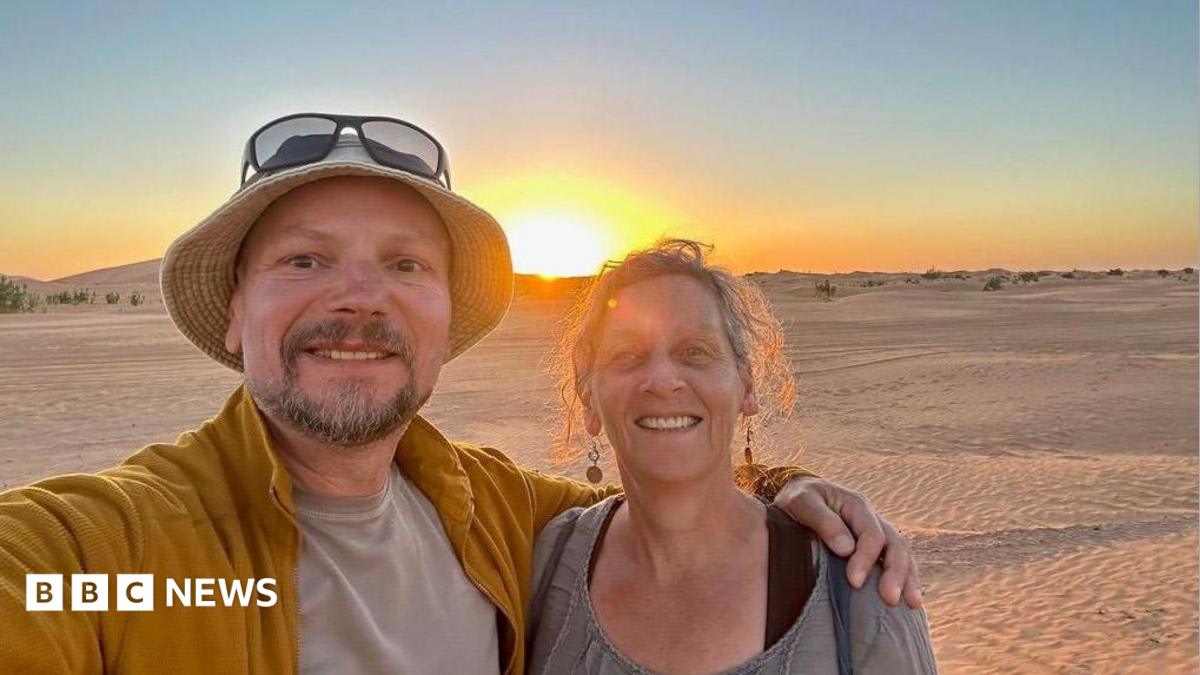
Following the re-election of President Donald Trump, some Canadians are boycotting travel to the United States. These individuals are redirecting their tourism spending toward domestic destinations or other international locations in response to trade tariffs and political rhetoric regarding Canadian sovereignty.
The Shift in Canadian Travel Sentiment
In a notable display of consumer activism, a subset of Canadian travelers is opting to bypass the United States, redirecting their vacation budgets toward domestic tourism and other international markets. This trend, which gained momentum in late 2024, serves as a direct, personal response to the political climate following the re-election of U.S. President Donald Trump. For many, the decision to stop visiting the U.S. is not merely a logistical change but a clear political statement against recent economic and diplomatic policies originating from Washington.
The Economic Impact of Personal Boycotts
Individual cases, such as that of Kent Truscott from London, Ontario, highlight the tangible economic impact of this sentiment. Truscott, who had previously frequented U.S. destinations like California and New York as recently as 2023, canceled a planned trip to Texas intended to witness a SpaceX Starship launch. By choosing to forgo this trip, which would have involved significant expenditures on flights, car rentals, and lodging, he is representative of a growing demographic that is consciously withdrawing its financial participation in the American tourism economy.
The Catalyst: Tariffs and Rhetoric
This movement is primarily fueled by two major points of contention: the imposition of U.S. tariffs on Canadian goods and inflammatory rhetoric regarding the potential annexation of Canada. For citizens like Truscott, these issues transcend traditional geopolitical disagreements, evolving into a matter of national pride and safety. The perceived hostility from the U.S. administration has transformed the act of travel—once a routine leisure activity—into a complex choice influenced by national identity and political alignment.
Domestic Tourism as a Strategic Alternative
As Canadians withdraw from U.S.-based travel, domestic tourism sectors are emerging as the primary beneficiaries. Truscott’s decision to redirect his travel funds to Nova Scotia and Prince Edward Island exemplifies a broader trend of Canadians exploring their own backyard. This redirection of capital serves a dual purpose: it allows travelers to avoid supporting an economy they feel is currently acting against their nation’s interests, while simultaneously providing a stimulus to local Canadian provinces that rely heavily on internal tourism.
Future Trends and Diplomatic Implications
Looking ahead, if trade tensions and aggressive political rhetoric continue, the tourism industry may see a sustained shift in travel patterns. While the U.S. remains a top destination for Canadians due to proximity and cultural ties, the persistence of these boycotts suggests that political stability and diplomatic harmony are increasingly important factors in the global tourism landscape. Should this trend widen, it could lead to long-term structural changes in how Canadians view the U.S. as a travel destination, potentially forcing a re-evaluation of the cross-border economic relationship.
Concluding Summary
The decision by some Canadians to boycott the United States is a significant indicator of how modern political discourse directly influences consumer behavior. By prioritizing domestic travel and international alternatives, these individuals are leveraging their economic power to protest trade policies and threats to sovereignty. As the geopolitical landscape remains volatile, the travel industry must navigate a climate where personal values and political stances increasingly dictate where the world chooses to spend its vacation time.