Relocation of Cape Town baboons to sanctuary ignites heated protests
Source Entity
Rachel Savage in Johannesburg
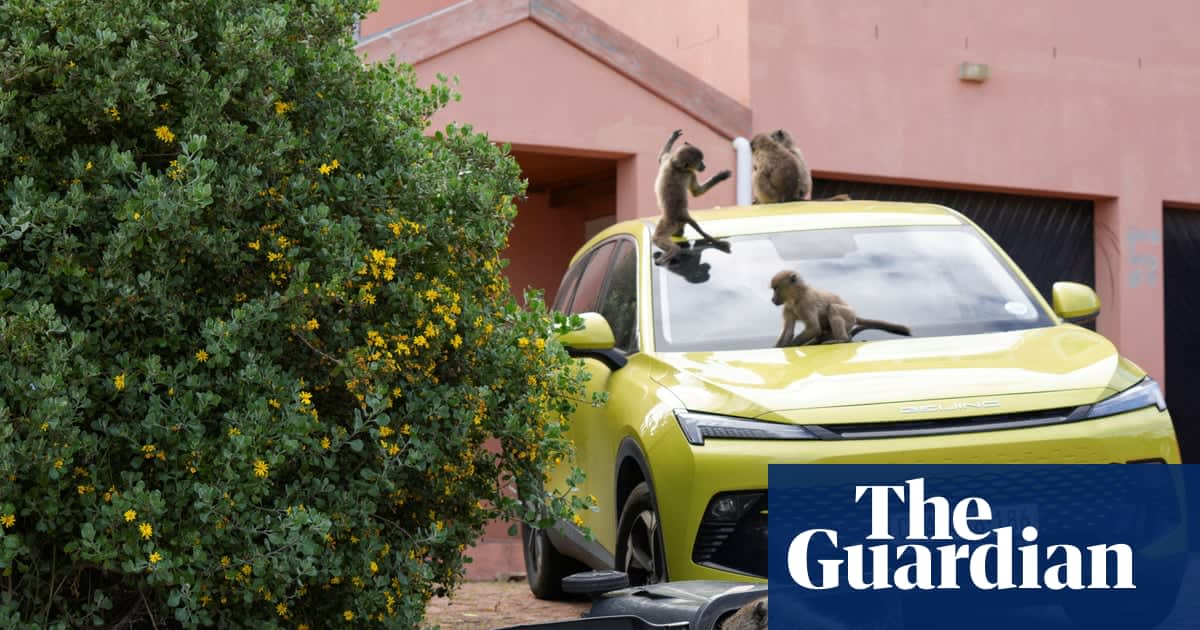
The relocation of baboon troops in Cape Town to a sanctuary has sparked intense public protests. Officials argue the move is essential to mitigate human-wildlife conflict, while critics advocate for continued coexistence.
The Cape Town Baboon Conflict: A Crisis of Coexistence
The Flashpoint of Urban Wildlife Management
The recent capture and planned relocation of the 44-member Waterfall troop in Simon’s Town marks a significant escalation in Cape Town’s ongoing struggle to manage its primate population. As urban expansion continues to encroach upon natural habitats, the intersection of human residential zones and baboon territories has become increasingly volatile. The decision by authorities to move these animals to a wildlife sanctuary is presented as a necessary intervention to ensure the safety of both the baboons and the residents of the southern seaside suburbs.
Drivers of the Conflict: Population Dynamics
At the core of this issue is the dual growth of both human and baboon populations within the Cape Peninsula. As human infrastructure expands, the traditional foraging grounds of these primates are fragmented, forcing them into closer proximity with residential areas. This proximity has historically led to raids on homes and waste bins, which not only disrupts community life but also places the baboons in direct danger from traffic, domestic animals, and human retaliation. The mortality rates of baboons navigating these urban environments have reached a point where officials feel compelled to act to preserve the species' long-term welfare.
The Philosophical Divide: Relocation vs. Coexistence
The controversy surrounding the Waterfall and Seaforth troops highlights a deep societal rift. On one side, proponents of relocation argue that the urban environment is inherently hazardous for wild animals, citing the high frequency of accidents and the degradation of natural behaviors as evidence that the animals must be removed for their own protection. Conversely, local protestors and animal rights advocates argue that coexistence is possible. They contend that the capture process is traumatic and that the city should invest more heavily in non-lethal deterrents and better waste management to allow the troops to remain in their natural, albeit modified, habitats.
Broader Implications for Urban Ecology
This situation serves as a microcosm for a global challenge: how do modern cities balance the need for development with the preservation of local biodiversity? The Cape Town case demonstrates that environmental management is rarely just about biology; it is deeply political and social. The protests in Simon’s Town reflect a growing public desire for ethical wildlife management that prioritizes animal welfare alongside urban safety. This event is likely to force municipal authorities to refine their protocols for future human-wildlife interactions, potentially setting a precedent for how other cities manage similar conflicts.
Future Trends and Outlook
Moving forward, the success of the sanctuary relocation will be under intense scrutiny. If the transferred troops struggle to adapt to their new environment, it may bolster the arguments of those who advocate for community-based coexistence programs. However, if the sanctuary proves to be a viable long-term solution, it may become the standard template for addressing similar conflicts in the future. Regardless of the outcome, the intense community engagement seen in this instance suggests that future wildlife management policies will require significantly more transparent and inclusive public consultation processes to avoid such heated social friction.