Ukraine allies reject U.S. criticism of deep strikes inside Russia ahead of Trump-Putin-Xi summit
Source Entity
US Top News and Analysis
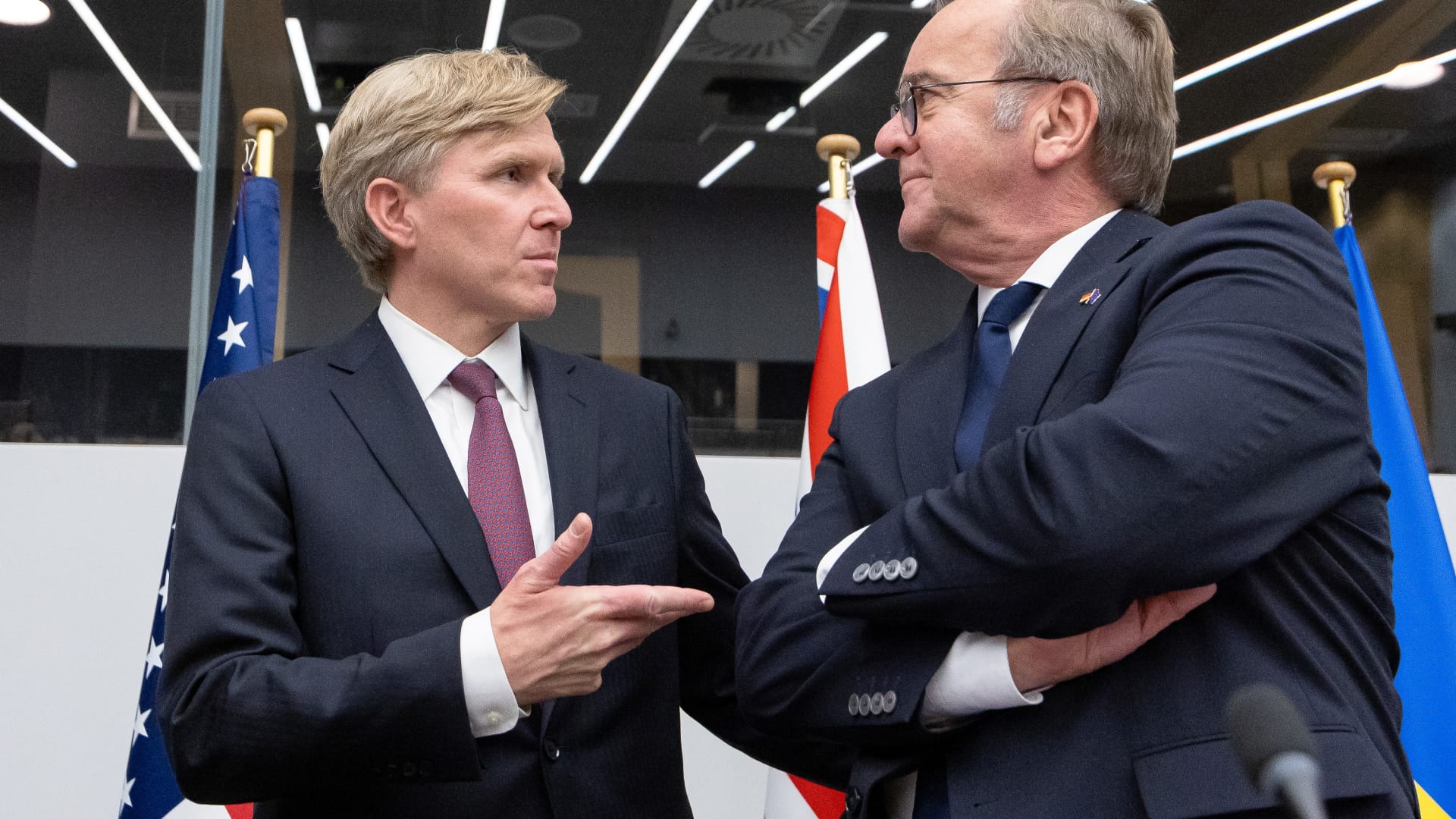
European allies are challenging U.S. criticism regarding Ukraine's deep-strike strategy against Russia. This diplomatic rift emerges just before a pivotal trilateral summit between Donald Trump, Vladimir Putin, and Xi Jinping in Shenzhen.
Diplomatic Fissures: Europe Challenges U.S. Stance on Ukraine
The geopolitical landscape is currently defined by a significant strategic rift between Washington and its primary European allies, Germany and the United Kingdom. This tension has centered on the efficacy and appropriateness of Ukraine’s deep-strike campaign within Russian territory. While the United States has voiced critical reservations regarding these operations, European powers have taken a firm stance in support of Kyiv's tactical autonomy, highlighting a fundamental divergence in war-fighting philosophy and regional security priorities.
The Brussels Confrontation
This friction was brought into sharp focus at the recent Ukraine Defence Contact Group meeting held in Brussels. German Defence Minister Boris Pistorius and U.S. Under Secretary of War for Policy Elbridge Colby were observed in high-level discussions, which served as the backdrop for this broader policy dispute. The disagreement underscores the difficulty of maintaining a unified coalition strategy as the conflict evolves, with European nations increasingly prioritizing the disruption of Russian logistics over the U.S.-led cautious approach to escalation management.
The Shenzhen Trilateral Summit
The timing of this dispute is particularly sensitive, as it precedes a high-stakes trilateral meeting between U.S. President Donald Trump, Russian President Vladimir Putin, and Chinese President Xi Jinping. Scheduled to take place on the sidelines of the Asia-Pacific Economic Cooperation (APEC) forum in Shenzhen, this summit is expected to be a watershed moment for international relations. The open disagreement among NATO members provides a complex backdrop for these leaders, potentially influencing the leverage each party brings to the negotiation table.
Broader Geopolitical Implications
Beyond the immediate tactical concerns of the Ukraine conflict, the upcoming summit in Shenzhen is poised to address systemic global challenges, including trade imbalances, the rapid development of artificial intelligence, and the persistent threat of nuclear proliferation. These issues are inextricably linked to the ongoing war in Europe; therefore, the discord regarding Ukraine's military strategy acts as a prism through which the stability of the Western alliance is being measured by global competitors.
Future Trends and Strategic Outlook
Looking forward, the outcome of the Shenzhen summit will likely dictate the next phase of the conflict. If the United States and its European allies cannot reconcile their differences regarding deep strikes, it may signal a shift toward a more fragmented approach to supporting Kyiv. Conversely, a unified front—or at least a managed disagreement—could provide the stability required to address the broader agenda of AI regulation and nuclear security. The world is watching to see if the personal diplomacy between Trump, Putin, and Xi can stabilize these volatile global flashpoints or if the underlying tensions will lead to further instability.