Why did flydubai flight FZ1073 have two extra pilots on board?
Source Entity
The Indian Express
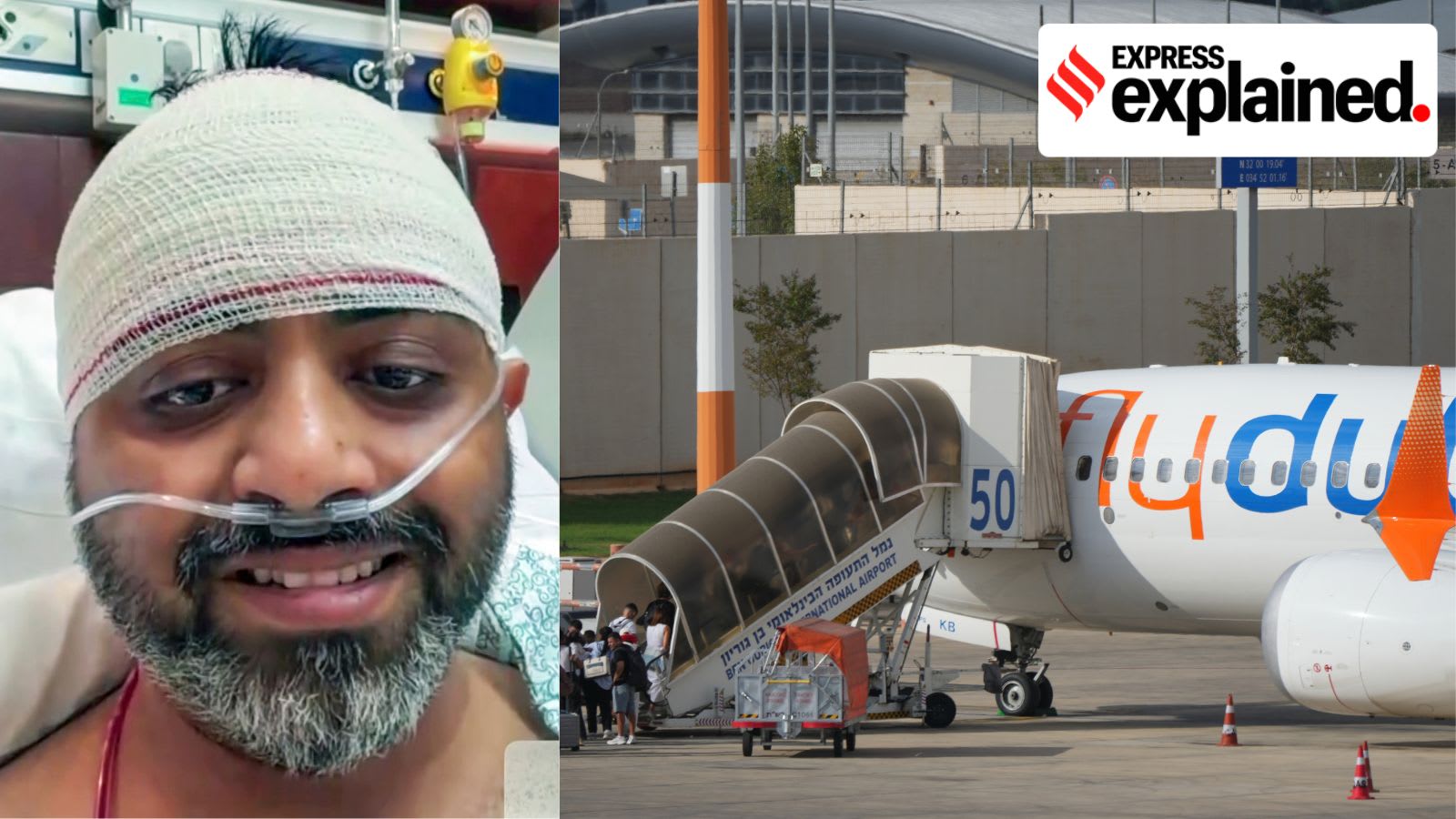
Captain Smit Machchhar is being hailed as a hero for safely landing a Flydubai flight after an alleged altercation and stabbing. The flight, carrying 174 passengers, was diverted to Saudi Arabia following an emergency signal that initially sparked hijacking concerns.
A Heroic Response Amidst Mid-Air Crisis
The aviation community and the public are currently commending Captain Smit Machchhar for his extraordinary display of courage during a life-threatening incident aboard a Flydubai flight traveling from Dubai to Tel Aviv. Despite sustaining stab wounds during an alleged onboard altercation, Captain Machchhar remained focused on his primary duty: the safety of those in his charge. His ability to maintain composure and successfully land the aircraft in Saudi Arabia is being recognized as a remarkable feat of professional integrity.
The Sequence of Events and Security Protocols
The incident began when the flight transmitted an emergency signal, specifically the transponder code 7500, which is internationally recognized to indicate hijacking or unlawful interference. This signal triggered immediate international concern, prompting Israeli authorities to scramble fighter jets and necessitating emergency security consultations by Prime Minister Benjamin Netanyahu. While the initial fears pointed toward a potential hijacking, subsequent investigations by Israeli officials confirmed that the event was not a hijacking, but rather an apparent physical altercation between pilots that necessitated an emergency diversion.
National and Industry Recognition
The bravery of Captain Machchhar has drawn significant attention from both political leaders and the entertainment industry. Prime Minister Narendra Modi has publicly acknowledged the pilot's heroic actions, setting a tone of national pride. Prominent figures in the Indian film industry, including actor R. Madhavan, Ravi Kishan, and Telugu star Vijay Deverakonda, have taken to social media to express their admiration and offer prayers for the captain's recovery. This outpouring of support highlights the profound impact of his actions on the 174 passengers, including 27 children, who were safely brought to the ground.
Safety and Operational Implications
This incident serves as a stark reminder of the complexities involved in modern commercial aviation safety. An onboard physical altercation, especially involving cockpit crew, represents a significant breach of operational protocol and security. The decision to divert to Saudi Arabia underscores the importance of regional cooperation and the adherence to established emergency procedures when a flight crew is incapacitated or compromised. As the investigation into the exact nature of the brawl continues, the aviation industry will likely review its cockpit safety protocols to prevent such high-stakes interpersonal conflicts.
Concluding Thoughts on Pilot Resilience
The narrative surrounding Captain Machchhar is one of resilience and duty. By prioritizing the lives of 174 passengers over his own severe physical injury, he has set a high standard for aviation professionalism. While the details of the altercation remain a subject of investigation, the consensus remains that the captain's swift decision-making prevented a potential tragedy. As the focus shifts from the initial hijack scare to the recovery of the captain, the event will undoubtedly remain a focal point for discussions regarding pilot welfare and cockpit security.
Multiple Citing Sources