Flydubai co-pilot prayed before attacking Indian pilot Smit Machchhar
Source Entity
The Indian Express
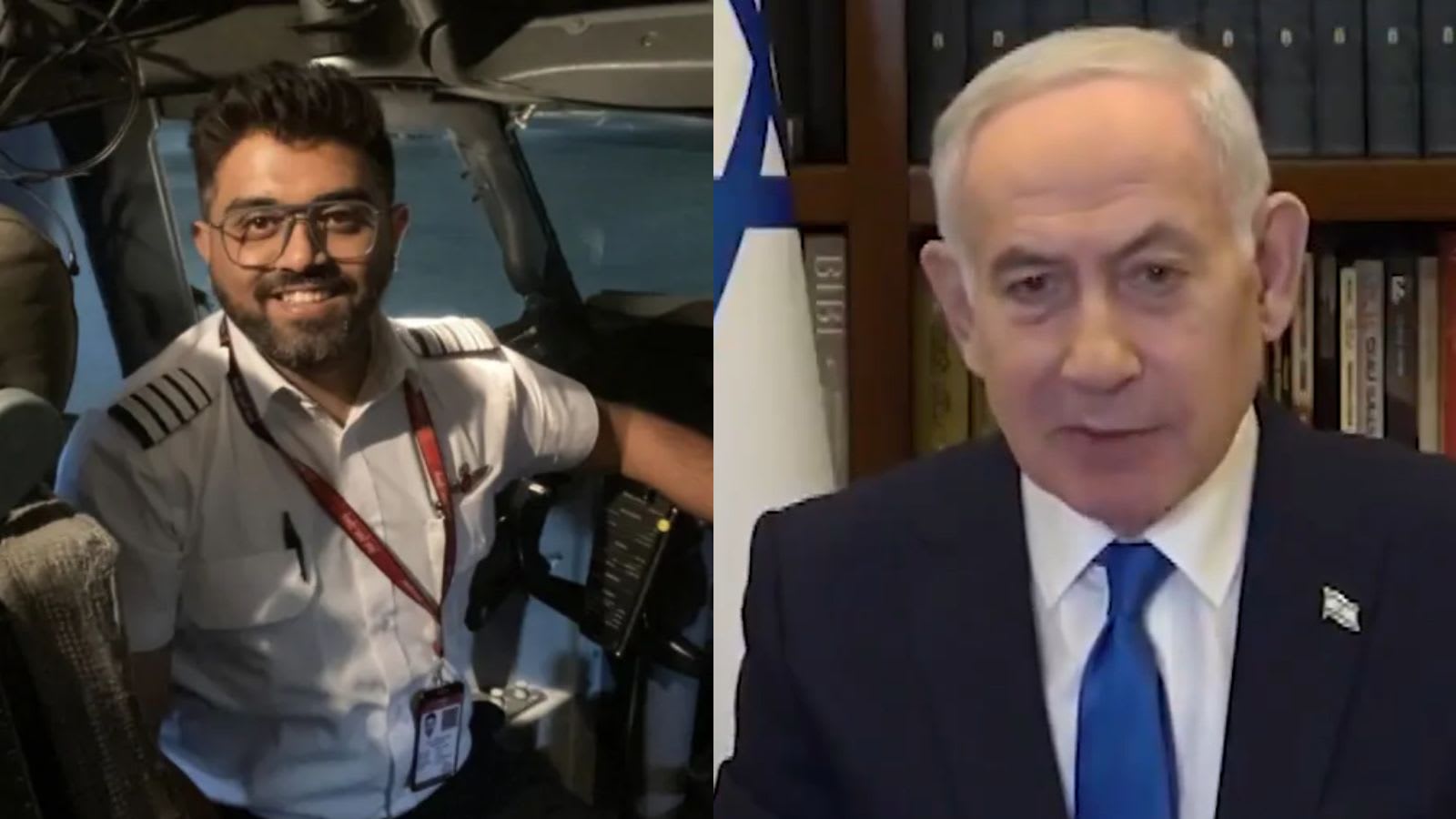
Captain Smit Machchhar is being hailed as a hero for landing a Flydubai flight safely after a mid-air altercation left him stabbed. Despite the flight triggering a hijack alert, authorities confirmed no hijacking occurred, and all 174 passengers were brought to safety.
A Heroic Landing Under Duress
The aviation community and the public are currently commending the extraordinary composure of Captain Smit Machchhar, an Indian pilot who successfully navigated a mid-air crisis. While operating a Flydubai flight from Dubai to Tel Aviv, the aircraft became the subject of intense international scrutiny after it transmitted a 7500 transponder code—the universal aviation signal for hijacking or unlawful interference. Despite suffering a stabbing injury during an apparent physical altercation on board, Captain Machchhar maintained control of the aircraft, ensuring the safe landing of 174 passengers, including 27 children, in Saudi Arabia.
The Anatomy of an Emergency
The incident began when the flight departed from its planned route, triggering immediate security protocols. The transmission of the 7500 emergency code caused significant alarm, leading Israeli officials to scramble fighter jets and prompting Prime Minister Benjamin Netanyahu to convene urgent security consultations. The initial confusion surrounding the flight's status created a period of high tension, as authorities scrambled to determine whether the aircraft was under duress from external or internal threats.
Clarifying the Security Situation
Following the safe diversion to Saudi Arabia, Israeli security officials and the Prime Minister’s office clarified that the event was not a hijacking. Reports from outlets such as Ynet identified the cause of the emergency as a physical altercation between pilots, which resulted in the injury to Captain Machchhar. By ruling out a deliberate act of terrorism or hijacking, the focus shifted toward the internal management of the flight deck and the resilience of the captain in the face of sudden, violent adversity.
National and Industry Recognition
The response to Captain Machchhar's actions has been overwhelmingly positive, with public figures and the Indian film industry expressing deep gratitude. Prominent actors, including R Madhavan and Vijay Deverakonda, took to social media to praise the pilot's bravery, echoing sentiments shared by Prime Minister Narendra Modi. This outpouring of support highlights the societal reverence for aviation professionals who prioritize passenger safety above their own physical well-being during critical failures.
Broader Implications for Aviation Safety
This incident underscores the extreme pressures faced by flight crews and the necessity of robust cockpit security protocols. While the event ended safely, it serves as a stark reminder of the vulnerability of flight decks to internal disturbances. The international cooperation required to manage the flight's diversion—involving Dubai, Tel Aviv, and Saudi Arabia—demonstrates the efficacy of global aviation communication networks when faced with ambiguous emergency signals.
Future Trends and Conclusion
Moving forward, aviation authorities are expected to conduct a comprehensive review of the incident to understand how such a physical altercation could occur in a secure cockpit environment. As investigators piece together the sequence of events, Captain Machchhar’s ability to land the plane safely under such dire circumstances will likely be studied as a case of extreme crisis management. His actions remain the defining factor in preventing a potential catastrophe, cementing his status as a hero in the eyes of the 174 passengers he brought to safety.
Multiple Citing Sources