Castelion hits $13B valuation to mass-produce hypersonic missiles
Source Entity
Marina Temkin
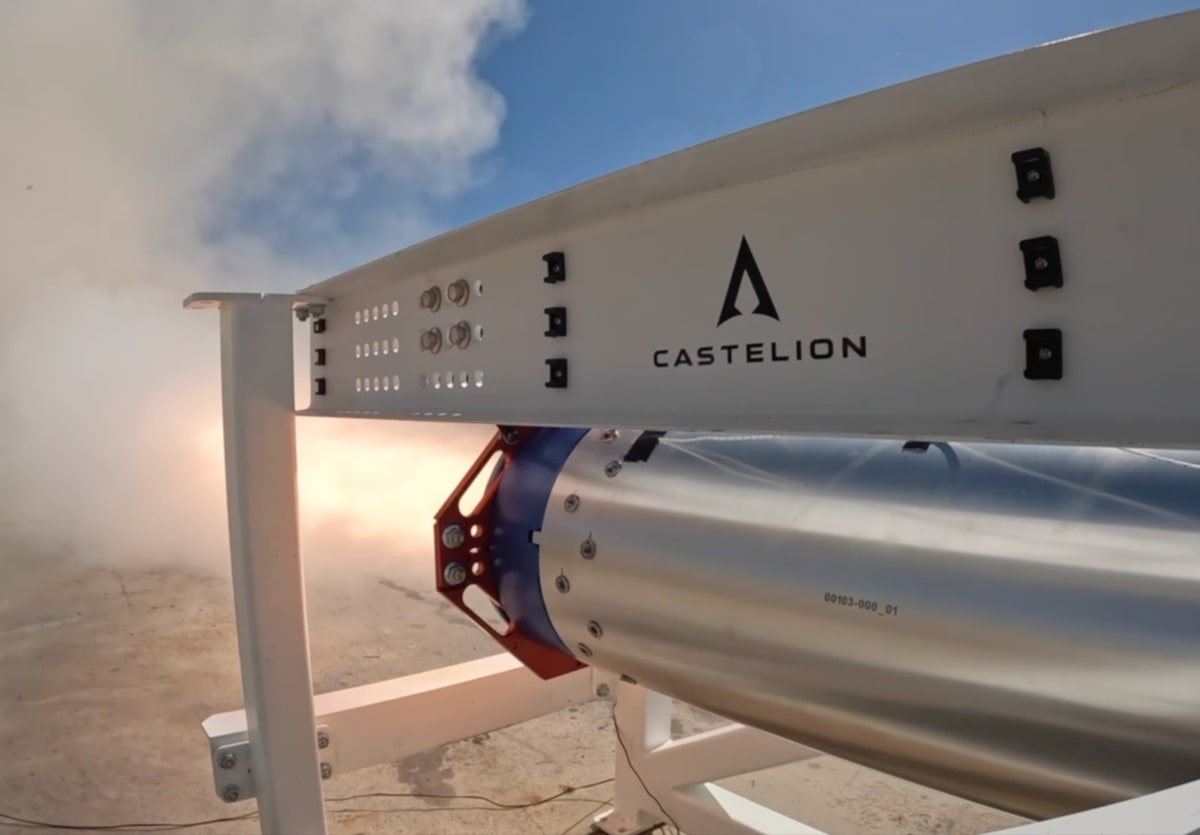
Defense startup Castelion has secured a $13 billion valuation following a $1 billion Series C funding round to accelerate hypersonic missile production. The company aims to address critical U.S. military supply gaps by leveraging faster, more cost-effective manufacturing processes.
The Rise of Castelion: Revolutionizing Hypersonic Defense
Castelion, a Torrance-based defense startup founded in 2022, has achieved a monumental $13 billion valuation following a $1 billion Series C funding round. Co-led by industry titans Andreessen Horowitz, Carlyle, and JPMorgan Chase, this injection of capital marks a significant pivot in the defense industrial base. By attracting such high-profile investment, Castelion signals a departure from traditional procurement cycles, positioning itself as a key player in the race to modernize American military capabilities through agile manufacturing.
Disrupting the Traditional Defense Industrial Base
Founded by former SpaceX executives, Castelion was established with a singular mission: to manufacture hypersonic weapon systems at a lower cost and at faster speeds than established defense primes. The defense sector has historically been characterized by long, bureaucratic development cycles and limited competition. Castelion’s business model applies the 'Silicon Valley' ethos of rapid iteration and vertical integration to the complex world of aerospace engineering, challenging the status quo of how the Pentagon sources its most advanced weaponry.
Addressing the Strategic Hypersonic Gap
The timing of this $1 billion investment is not coincidental. The Pentagon has expressed urgent concerns regarding the current state of its hypersonic stockpile, which faces significant challenges in matching the rapid advancements made by China. Hypersonic missiles—defined by their ability to travel at speeds exceeding Mach 5—are considered critical assets in modern asymmetric warfare. Castelion’s ability to secure over $500 million in U.S. military contracts in just two years demonstrates that the Department of Defense is actively seeking alternatives to legacy providers to close this capability gap.
The Economics of Speed and Scale
Castelion’s value proposition rests on its promise to streamline the production process. Traditional defense manufacturing often suffers from high overhead and supply chain rigidity. By focusing on faster manufacturing throughput, the startup aims to deliver a larger volume of weapons to the U.S. military. This strategy is essential for a nation that needs to scale its defense inventory quickly to remain strategically relevant in an era of heightened global tension and rapid technological proliferation.
Implications for Future Defense Contracting
Looking ahead, the success of Castelion could catalyze a broader trend of venture-backed companies entering the defense sector. The involvement of major financial institutions like JPMorgan Chase and private equity firms like Carlyle indicates a growing confidence in the commercialization of national security technology. If Castelion succeeds in hitting its production milestones, it will likely set a new benchmark for how defense startups interact with the government, potentially leading to a more competitive, innovation-driven landscape for future military procurement.
Conclusion
In summary, Castelion’s meteoric rise from a 2022 startup to a $13 billion defense powerhouse underscores the urgent need for modernization within the U.S. hypersonic missile program. By bridging the gap between Silicon Valley agility and the high-stakes requirements of national defense, the company is attempting to solve a critical strategic vulnerability. As they scale, their performance will serve as a bellwether for the future of private-sector participation in high-end military manufacturing.