Ricky Kej on joining CBFC: ‘Protecting children does not mean sanitising cinema for adults’
Source Entity
The Indian Express
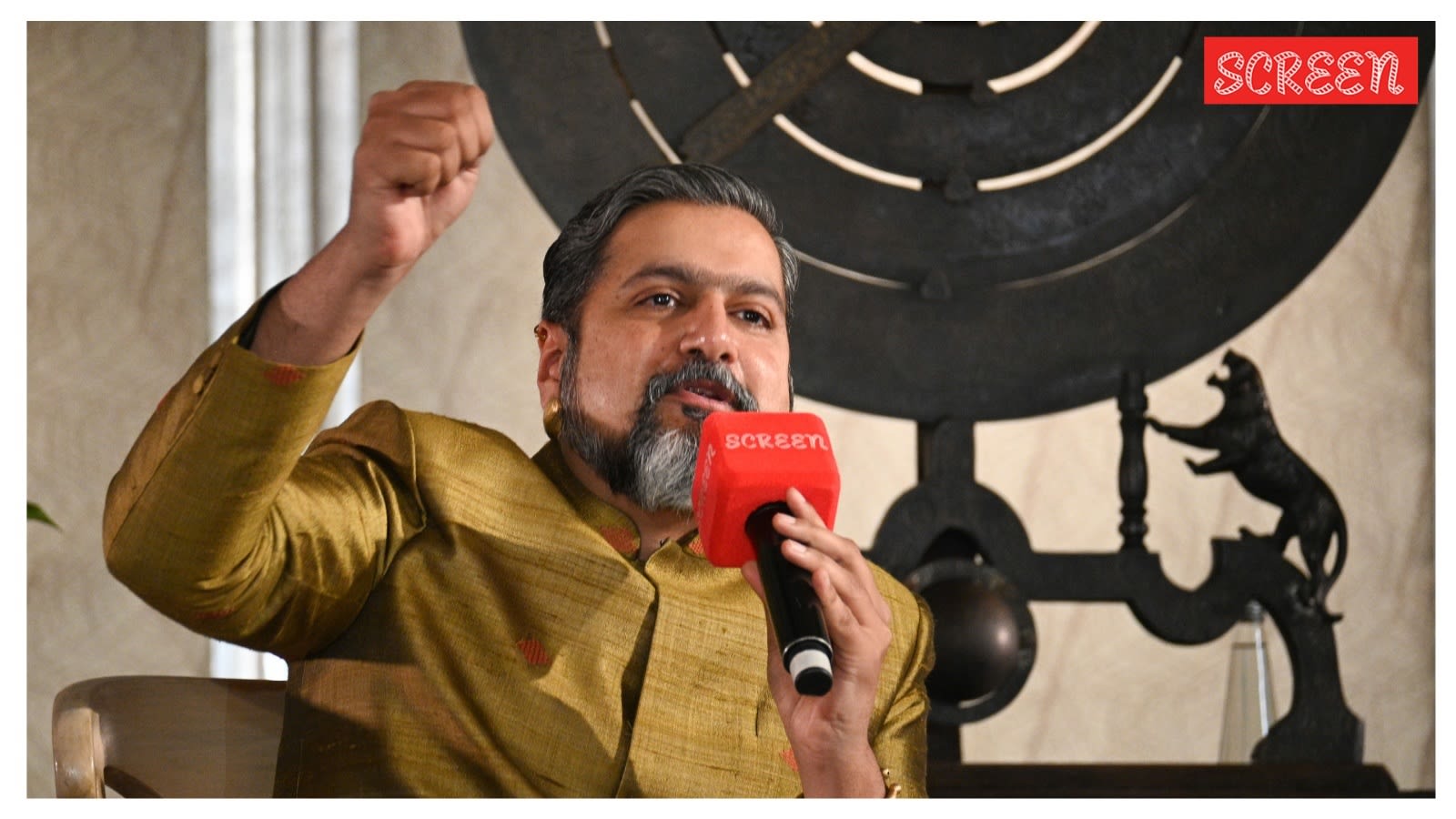
Newly appointed CBFC members Ricky Kej and Pallavi Joshi have clarified their stance on the board's revised film certification guidelines. Both emphasize a balance between protecting younger audiences through age-based ratings and preserving artistic freedom for adult-oriented content.
The Evolving Mandate of the Central Board of Film Certification
The recent reconstitution of the Central Board of Film Certification (CBFC) and the subsequent implementation of revised guidelines have ignited a significant national discourse regarding the intersection of artistic expression and regulatory responsibility. As the board begins its new term, prominent members including Grammy Award-winning musician Ricky Kej and actor-filmmaker Pallavi Joshi have stepped forward to define their philosophy, aiming to navigate the delicate balance between safeguarding children and maintaining the integrity of adult cinema.
Empowering Parents through Age-Based Classification
Central to the current policy shift is the expansion of age-based certification, a move catalyzed by the amendments to the Cinematograph Act 2023. Ricky Kej has articulated a vision where these expanded classifications serve as a tool for parental empowerment rather than censorship. By providing more granular age categories, the board hopes to allow parents to make informed decisions about the media their children consume, thereby potentially reducing the administrative necessity of enforcing heavy-handed cuts on content explicitly intended for mature audiences.
Preserving the Sanctity of Artistic Freedom
Complementing this perspective, Pallavi Joshi has addressed widespread concerns regarding potential overreach by the board. As an artist herself, Joshi has explicitly stated her opposition to the restriction of creative expression. Her position underscores a commitment to ensuring that the board functions as a certifying body rather than a repressive one, emphasizing that art should maintain its capacity to challenge, provoke, and engage viewers without being sanitized for the sake of broad conformity.
The Shift from Censorship to Classification
The broader implications of these statements suggest a strategic pivot in the CBFC’s operational model. Historically, the board has often been criticized for its interventionist approach to film content. The current emphasis on classification over cutting aligns with modern global standards of media regulation, where the focus shifts toward transparency and consumer choice. By utilizing age-appropriate ratings, the board attempts to reconcile the state's obligation to protect minors with the filmmaker's right to creative autonomy.
Challenges in Implementation and Future Trends
While the intent behind these guidelines is clear, the practical application remains a complex challenge. The board must navigate the thin line between providing guidance and inadvertently creating a culture of self-censorship among filmmakers. As the industry evolves, the success of this new direction will likely be measured by the consistency of these ratings and the degree to which creators feel the board’s presence is a supportive administrative function rather than a barrier to artistic innovation.
Conclusion
In summary, the new leadership within the CBFC appears to be signaling a transition toward a more nuanced, classification-centric regulatory framework. By prioritizing parental empowerment and explicitly disavowing the curbing of artistic expression, members like Kej and Joshi are attempting to modernize the Indian film certification process. Whether this shift will successfully resolve the long-standing tension between the state and the creative community remains an essential area of observation for the Indian film industry.