CBFC tightens certification rules: Release dates won’t expedite clearance, titles may change
Source Entity
The Indian Express
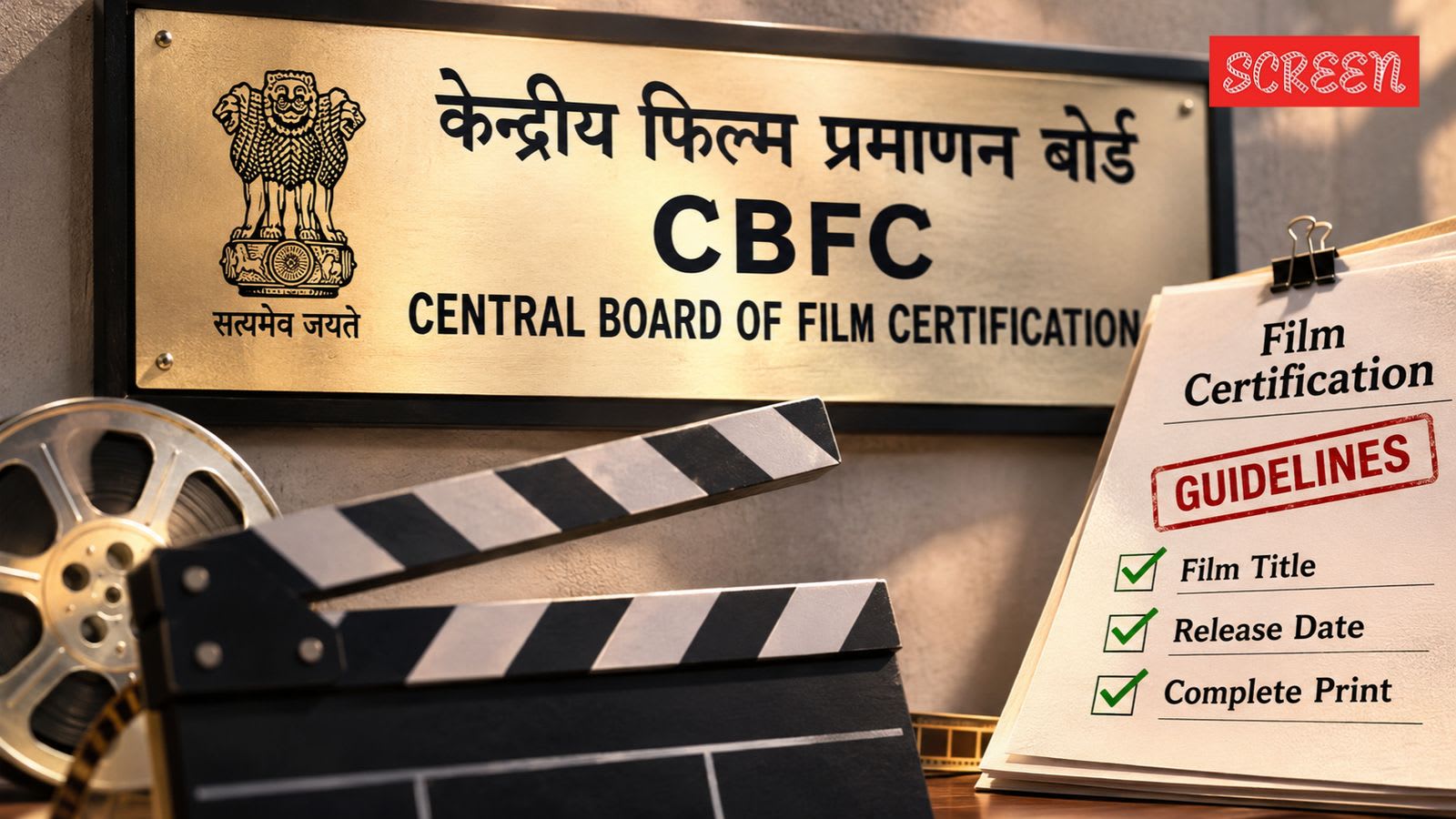
The CBFC has introduced stricter certification guidelines, mandating that films be submitted in their final, complete form. These rules eliminate the possibility of expedited processing based on release dates, aiming to streamline the regulatory workflow.
Stricter Oversight: The CBFC’s New Regulatory Framework
The Central Board of Film Certification (CBFC) has recently unveiled a rigorous set of guidelines, marking a significant shift in how Indian cinema navigates the path to theatrical release. Nearly two months following the appointment of a new 18-member board, this advisory signals a move toward administrative efficiency and procedural discipline. By formalizing the submission process under the Cinematograph Act, 1952, and the newly implemented Cinematograph Rules, 2024, the board is clearly attempting to minimize the backlog that often plagues the certification process.
Ending the 'Expedited' Culture
One of the most consequential changes is the explicit declaration that pre-announced release dates will no longer serve as a justification for expedited processing. Historically, producers have frequently pressured the board to fast-track screenings to meet marketing deadlines. By decoupling release schedules from administrative prioritization, the CBFC is effectively shifting the burden of planning back onto the filmmakers, ensuring that the regulatory body is not held hostage by commercial marketing timelines.
The Mandate for Finality
Central to the new advisory is the requirement that films must be submitted in their 'complete and final form.' This includes not just the visual cut, but also final graphics, background scores, sound mixes, and accessibility features. In the past, the submission of unfinished or 'work-in-progress' prints often led to multiple rounds of screening and administrative friction. This new policy forces production houses to achieve a higher level of technical readiness before they ever interface with the board.
Implications for Filmmaking Workflows
This move will likely force a structural change in the post-production industry. Filmmakers will now need to finalize their sound design and visual effects well in advance of their promotional windows. While this may cause initial logistical friction for smaller studios, it is designed to ensure that the board is reviewing the exact product that the audience will eventually see in theaters, thereby reducing the need for re-certification or post-approval modifications.
Ensuring Quality and Accessibility
By mandating the inclusion of accessibility features, the CBFC is aligning itself with broader global standards for inclusive entertainment. This requirement suggests that the board is not merely acting as a censor, but also as a regulatory body concerned with the standard of the viewing experience. The inclusion of these technical requirements in the final submission ensures that accessibility is not an afterthought but a core component of the certified product.
A Future of Predictable Regulation
Ultimately, these guidelines aim to create a predictable and transparent environment for the film industry. By establishing firm boundaries regarding incomplete submissions and release-date pressures, the CBFC is attempting to professionalize the certification workflow. While this mandates more discipline from the creative community, it promises a more stable and efficient regulatory future for Indian cinema, provided that the new 18-member board can maintain these standards consistently across all applicants.