'Operate faster than adversary': CDS Gen Subramani stresses integrated multi-domain ops
Source Entity
SURENDRA SINGH
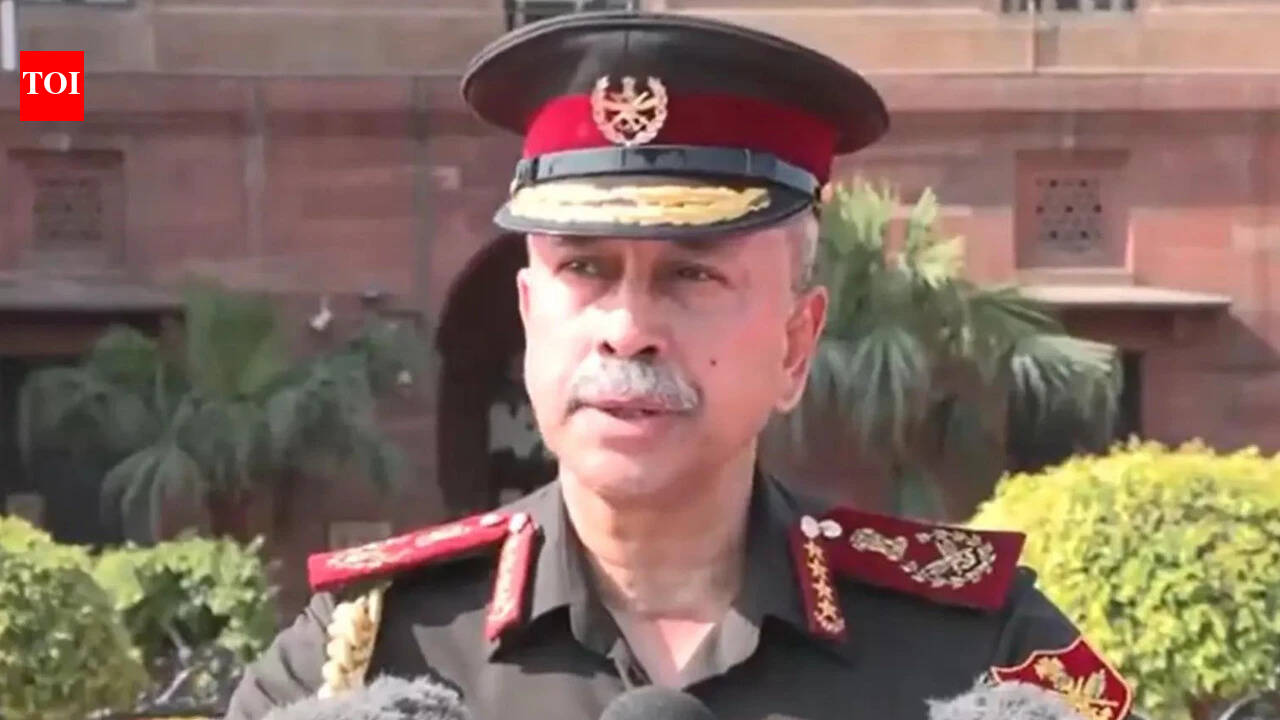
CDS General NS Raja Subramani has called for a shift in India's military strategy toward integrated, data-centric, and multi-domain operations. He emphasized the necessity of faster innovation and resilient communication systems to outpace adversaries.
Strategic Shift in Indian Defence: The Multi-Domain Mandate
Chief of Defence Staff (CDS) General NS Raja Subramani recently addressed the Defence Tech Summit, organized by the Centre for Emerging Technologies at the United Service Institution (USI). His core message centered on a fundamental evolution in military doctrine: the transition from platform-centric warfare to integrated, multi-domain operations. By stressing that India must "operate faster in various domains than the adversary can respond," the CDS has signaled a move toward a more agile and proactive defense posture.
Moving Beyond Platform-Centric Warfare
For decades, military procurement has focused heavily on individual platforms—such as specific aircraft, ships, or tanks. General Subramani’s vision mandates a departure from this siloed approach. Instead, the focus is shifting toward building a "system of systems." This holistic strategy ensures that individual assets are not merely functional in isolation but are interconnected components of a larger, data-driven network capable of synchronized action across land, sea, air, and emerging domains like cyber and space.
The Role of Technology and Resilient Networks
At the heart of this transformation lies the reliance on resilient communication networks. The CDS emphasized that operational effectiveness in modern conflict is dictated by the ability to maintain connectivity in contested environments. Without robust, secure, and resilient communications, the integration of data-centric warfare remains impossible. Digital engineering and Artificial Intelligence (AI) are identified as the foundational pillars that will enable the armed forces to process battlefield data in real-time, thereby reducing the OODA (Observe-Orient-Decide-Act) loop.
Industry-Led Innovation as a Force Multiplier
General Subramani’s call to action includes a significant role for domestic industry. The emphasis on "sovereign" capabilities suggests that the Indian military is seeking to reduce dependence on foreign hardware in favor of indigenous, industry-led innovation. By leveraging domestic technological advancements, the military aims to shorten the development cycle of critical defense tools, ensuring that Indian forces are not just equipped with hardware, but with superior, localized technological solutions.
Implications for Future Conflict
This shift toward multi-domain operations reflects a global trend where the speed of information and the ability to degrade an adversary's decision-making process are as vital as physical firepower. By creating "problems" for the adversary through faster operational cycles, the Indian armed forces aim to deter aggression before it escalates. The integration of data across domains ensures that the military can anticipate threats and deploy responses that are not just reactive, but strategically disruptive.
Conclusion: A New Era of Defence Readiness
The vision laid out by General Subramani represents a pivot toward a more intelligent, connected, and autonomous defense ecosystem. As India continues to integrate AI, digital engineering, and networked systems into its military framework, the focus remains clear: speed, sovereignty, and synergy. This transition is essential for maintaining a competitive edge in a rapidly evolving geopolitical landscape where the speed of response is the ultimate determinant of national security.