E20 petrol row: Bring back lower blend of ethanol fuel at pumps, says CEA Nageswaran
Source Entity
TOI BUSINESS DESK
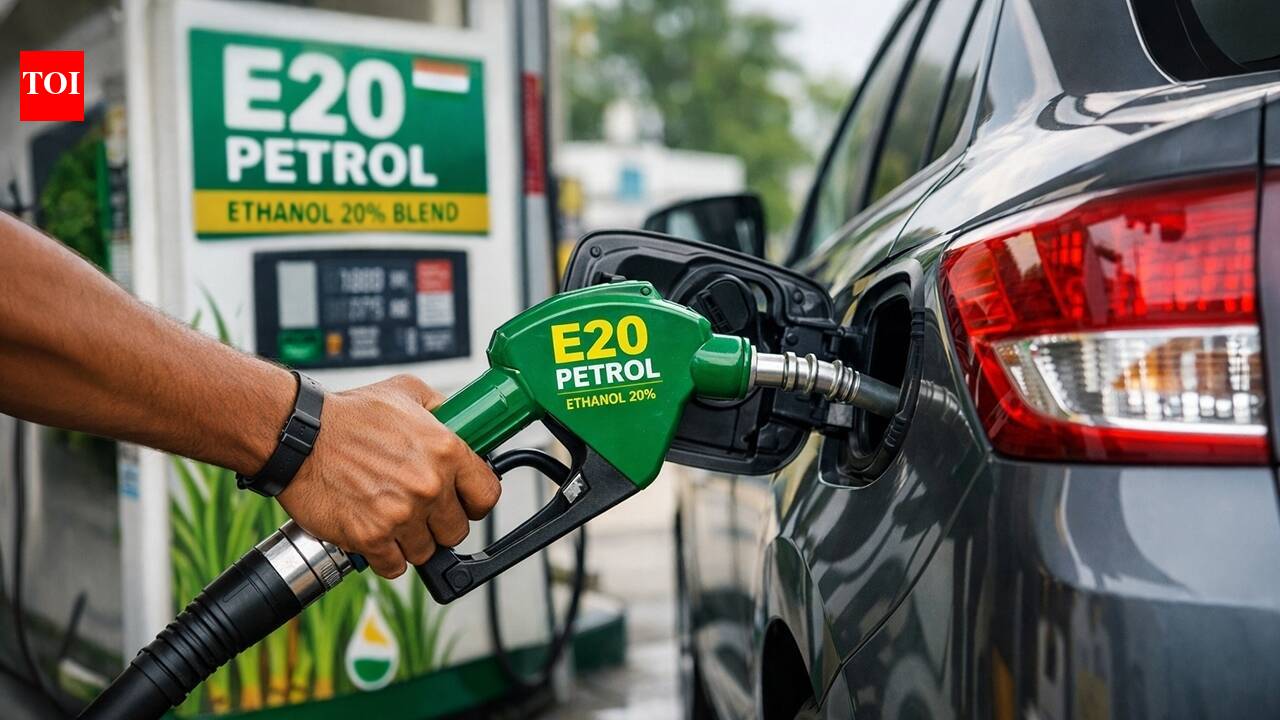
Chief Economic Adviser V Anantha Nageswaran has suggested reintroducing lower ethanol fuel blends to address compatibility concerns in India's vast fleet of older vehicles. While E20 fuel is now standard, technical challenges regarding rubber seals in older engines necessitate a more nuanced transition strategy.
Addressing the Ethanol Transition: The E20 Dilemma
India’s ambitious push toward a 20% ethanol-blended petrol (E20) mandate represents a significant pillar of the nation's energy security and environmental policy. However, as Chief Economic Adviser V Anantha Nageswaran recently highlighted, this transition is not without friction. The primary point of contention lies in the compatibility of older internal combustion engines—specifically two-wheelers—with higher ethanol concentrations, which can cause degradation in legacy components.
The Technical Challenge of Legacy Infrastructure
The central issue identified by the CEA is the structural vulnerability of older engines. India’s roads are host to approximately 75 to 80 million older two-wheelers, many of which utilize rubber seals and fuel system components not originally engineered for ethanol exposure. Ethanol, while an effective octane booster and carbon-reduction agent, acts as a solvent that can corrode or swell non-rated rubber, leading to potential leaks and engine malfunctions.
Why Lower Blends Remain Relevant
Nageswaran’s proposal to reintroduce lower blends of ethanol fuel at pumps serves as a pragmatic bridge. By offering a tiered fuel system, the government could accommodate the existing fleet while simultaneously phasing in E20 for newer, compliant vehicles. This approach mitigates the risk of widespread mechanical failure among the millions of commuters who rely on older motorcycles and scooters, ensuring that the transition to greener fuel does not inadvertently penalize lower-income vehicle owners.
The Long Road to Retrofitting
The logistical hurdle of retrofitting millions of older vehicles with ethanol-resistant components is immense. Nageswaran explicitly noted that such a process would take years to implement effectively. Given this timeline, a binary choice between E20 and traditional petrol leaves a gap in the market that could lead to public concern and potential economic strain for vehicle owners who find their older machines struggling with current fuel standards.
Economic and Environmental Balancing
The push for E20 is fundamentally an economic strategy aimed at reducing India’s massive crude oil import bill and supporting the domestic sugarcane industry. However, the CEA’s intervention underscores the necessity of balancing macroeconomic goals with the practical realities of the consumer market. A successful energy transition requires a consumer-centric approach that accounts for the limitations of legacy hardware.
Future Outlook
Moving forward, the government may need to formalize a dual-fuel strategy to ensure market stability. By acknowledging that available evidence does not suggest E20 is inherently damaging to modern engines, while simultaneously conceding the risks to older machinery, policymakers can foster greater public trust. Implementing a strategy that allows for a gradual phase-out of older vehicles, supported by the availability of lower-blend fuels, will likely be the most sustainable path toward achieving India's long-term biofuel objectives.