New York permanently bars Celsius founder Mashinsky in $35M fraud settlement
Source Entity
Cointelegraph by Nate Kostar
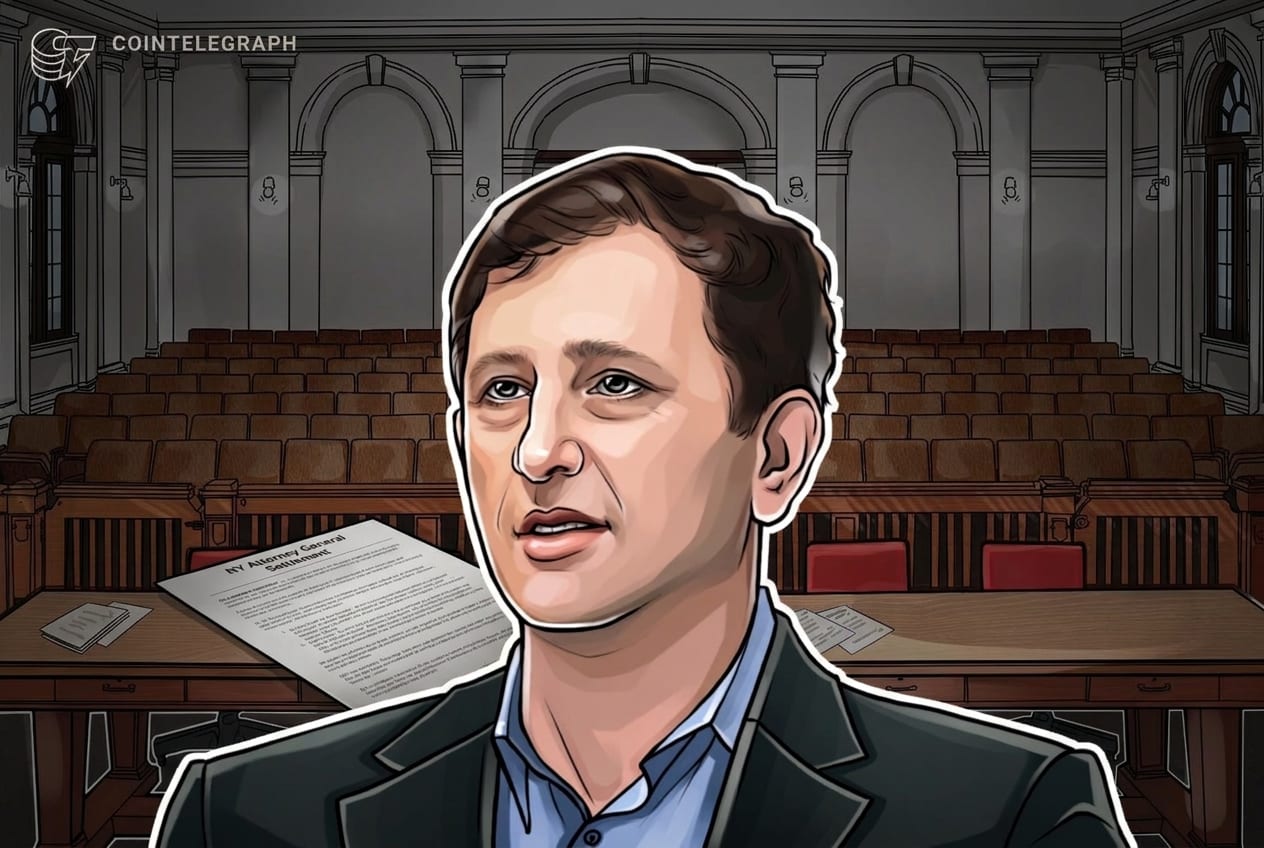
Former Celsius CEO Alex Mashinsky has been permanently banned from the crypto and securities industries following a $35 million fraud settlement with New York. The agreement resolves 2023 civil charges regarding misleading investors prior to the company's 2022 collapse.
The Fall of Celsius: Accountability and Regulatory Action
The Finality of the Settlement
The legal saga surrounding Alex Mashinsky, the former CEO of the now-defunct cryptocurrency lending platform Celsius, has reached a significant milestone. Following a 2023 civil fraud lawsuit initiated by New York Attorney General Letitia James, a settlement has been reached that permanently bars Mashinsky from participating in the cryptocurrency, securities, and commodities industries. This move serves as a definitive regulatory response to the systemic failures that characterized the platform's operations prior to its 2022 collapse.
Financial Penalties and Restitution
Central to the agreement is a $35 million conditional payment structure. The settlement mandates that Mashinsky must pay $25 million to the state of New York if he fails to forfeit an additional $10 million in gains deemed to be "ill-gotten" to the federal government, on top of assets already subject to forfeiture. This structure ensures that the regulatory body maintains leverage to recover funds that were allegedly acquired through deceptive practices, prioritizing the potential for restitution for the hundreds of thousands of investors impacted by the platform's insolvency.
The Charges: Misleading the Masses
The lawsuit originated from allegations that Mashinsky misled investors regarding the safety and financial stability of the Celsius platform. By presenting the company as a secure institution for retail deposits, the leadership purportedly obscured the high-risk nature of the firm’s underlying investments. The collapse of Celsius in 2022 remains a landmark event in the recent history of digital asset markets, highlighting the dangers of opaque financial models and the lack of traditional consumer protections in the decentralized finance sector.
Broader Implications for the Crypto Industry
This settlement marks a broader trend of increased regulatory scrutiny within the digital asset space. Regulators in New York, often acting as bellwethers for national policy, are signaling that the era of "move fast and break things" in fintech is being replaced by a more rigorous enforcement regime. By barring an individual from the entire industry, the state is making a clear statement regarding the standard of conduct expected from executives managing retail financial products.
Future Trends in Digital Asset Oversight
Looking forward, the Celsius case will likely serve as a foundational reference point for future litigation involving cryptocurrency platforms. As institutional and retail interest in digital assets persists, regulators are expected to continue utilizing civil fraud lawsuits to hold individual executives personally liable for corporate failures. This shift suggests that executive accountability will become a cornerstone of the evolving regulatory framework, forcing companies to prioritize transparency and compliance over aggressive growth strategies.
Conclusion
The permanent ban imposed on Alex Mashinsky is not merely a punitive measure but a structural realignment of the crypto industry's relationship with the law. By addressing the fallout of the 2022 collapse through these specific financial and professional penalties, New York authorities have set a precedent for how future market failures may be handled. For the broader market, this serves as a cautionary tale on the necessity of regulatory oversight in maintaining the integrity of financial systems.