Caste, bank accounts, Covid jabs: Census Phase-II to have 40 questions
Source Entity
BHARTI JAIN
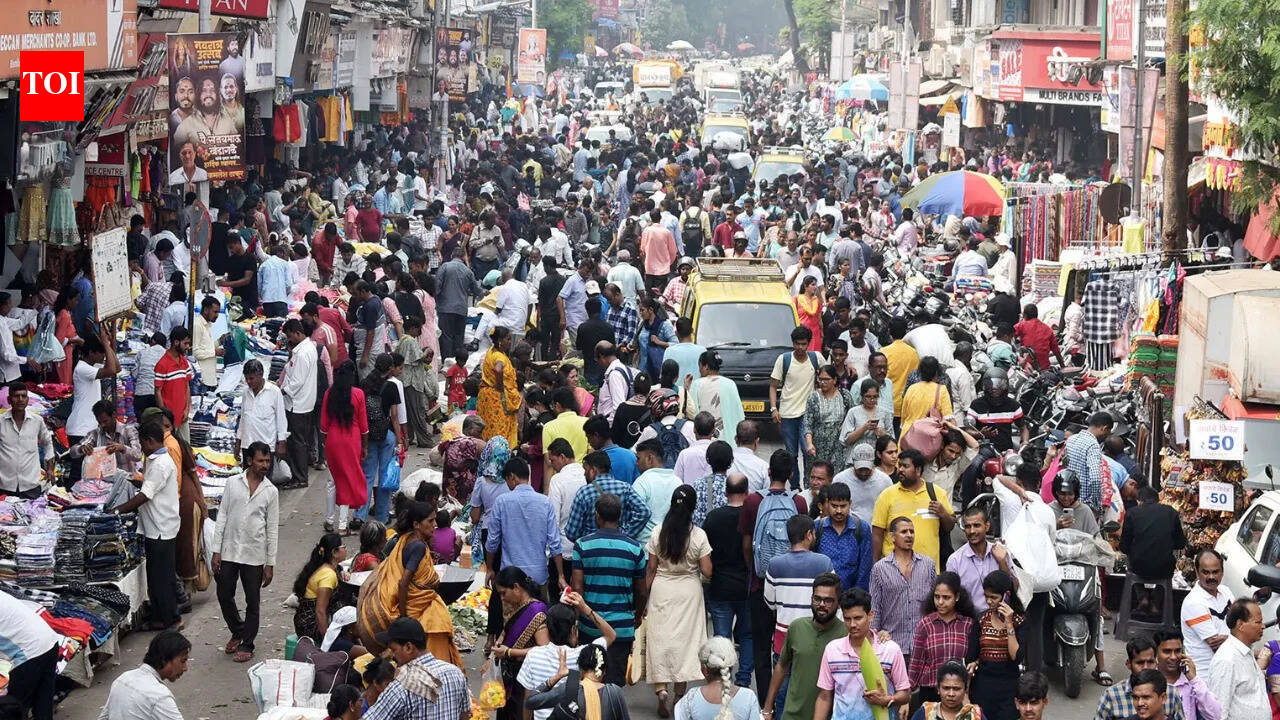
Census 2027 will introduce 40 data fields, including caste, bank accounts, and Covid vaccination history. The government has guaranteed that this data will remain confidential and cannot be used for legal or benefit-related purposes.
The Evolution of Demographic Data: Census 2027
The upcoming Census 2027 represents a significant shift in how the Indian government approaches demographic data collection. By expanding the questionnaire to include 40 distinct fields, the exercise aims to create a more granular profile of the citizenry. This expansion encompasses critical socio-economic indicators, including the number of bank accounts held, voter card identification, and specific details regarding Covid-19 vaccination history.
The Inclusion of Caste Enumeration
Perhaps the most notable change in the 2027 iteration is the inclusion of caste data as declared by the respondent. While the survey will document caste identity, it will not attempt to verify or categorize these declarations into specific groups like Other Backward Classes (OBC). Conversely, the enumeration of Scheduled Castes and Scheduled Tribes will continue in its established format. This methodological choice reflects a desire to capture self-identified social identity without the administrative burden of verifying complex classification claims.
Data Privacy and Legal Protections
In response to growing concerns regarding digital surveillance and data privacy, the government has emphasized strict confidentiality protocols. The collected data is explicitly prohibited from being used as legal evidence, for the distribution of government benefits, or for public disclosure. By mandating that respondents answer questions only to the "best of their knowledge or belief," the government seeks to balance the need for comprehensive data with the protection of individual privacy rights.
Strategic Implications of Financial and Health Data
Including bank account details and vaccination status serves as a mechanism for the state to understand the penetration of financial inclusion initiatives and public health outreach. By mapping these data points against traditional demographic metrics, policymakers intend to build a more accurate picture of how government schemes impact different segments of the population, even if the data itself is sequestered from direct application in benefit delivery.
Future Trends in Governance
This census marks a transition toward data-driven governance where population enumeration serves as a foundational layer for future policy design. By digitizing and expanding the scope of inquiry, the state is positioning itself to better analyze the intersection of caste, health access, and financial stability. As the nation moves forward, the success of this census will likely determine the feasibility of using similar granular surveys to address regional disparities in infrastructure and public service delivery.