Centre appoints 7 Delhi HC judges, withholds approval for one collegium pick
Source Entity
Latest News: Todays Latest News Headlines from India & World | Hindustan Times | Hindustan Times
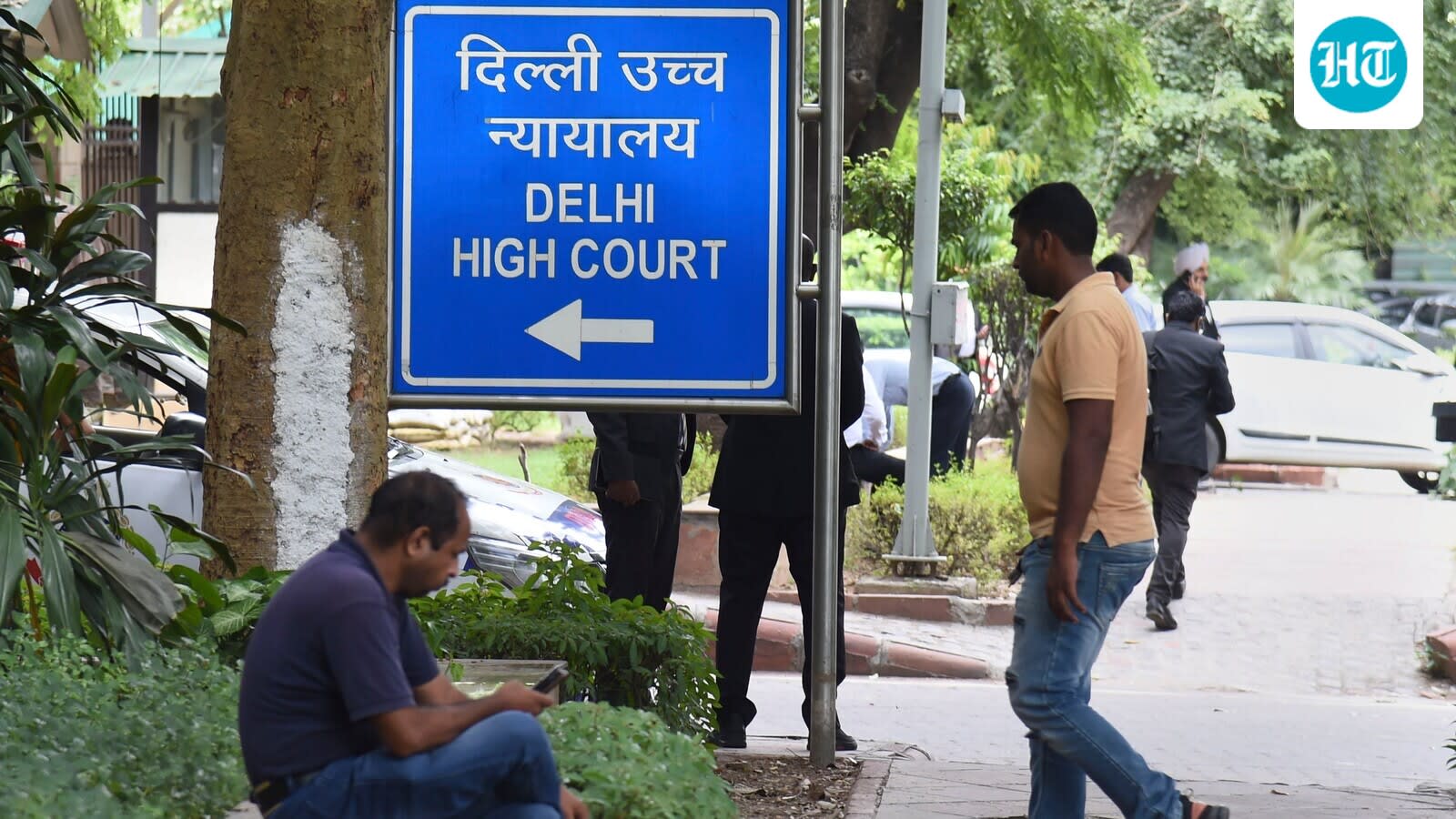
The Union government has appointed seven new judges to the Delhi High Court, omitting one candidate from the Supreme Court collegium's original list of eight. This decision highlights the ongoing friction between the executive and judiciary regarding judicial appointments.
Executive Intervention in Judicial Appointments
The recent notification by the Union government, shared by Law Minister Arjun Ram Meghwal, marks a significant development in the administration of the Delhi High Court. By appointing seven judicial officers out of the eight recommended by the Supreme Court collegium on September 10, the executive branch has once again asserted its discretion in the selection process. This move comes at a time when the Delhi High Court is actively managing a substantial caseload, operating with only 44 judges against a sanctioned strength of 60.
Impact on Judicial Capacity
The induction of these seven new judges will bring the total strength of the Delhi High Court to 51. While this is a notable increase, it remains below the full sanctioned capacity, leaving a gap of nine positions. The addition of experienced judicial officers is crucial for the court’s operational efficiency, as the pendency of cases remains a primary concern for the Indian legal system. By withholding approval for one specific nominee, Gurvinder Pal Singh, the government has effectively tempered the collegium's recommendation, keeping the court's total strength lower than what the judiciary had deemed necessary.
The Collegium-Executive Tug-of-War
This event is reflective of the broader, historical tension between the executive and the judiciary regarding the Memorandum of Procedure (MoP) for judicial appointments. The Supreme Court collegium, comprised of the Chief Justice of India and the four senior-most judges, holds the mandate to recommend names, but the government retains the authority to conduct background checks and withhold clearance. The exclusion of a candidate after a formal recommendation is a strategic exercise of executive power that frequently leads to administrative friction.
Implications for Judicial Independence
The withholding of approval for a specific nominee without immediate public justification underscores the opacity that often surrounds these high-level appointments. While the government is not required to provide reasons for every withheld appointment in the public domain, such actions often spark debates regarding the balance of power. The independence of the judiciary rests heavily on the ability to appoint judges without undue external influence, yet the executive's role as a gatekeeper remains a constitutional reality.
Future Trends and Judicial Backlog
Looking ahead, the vacancy gap in the Delhi High Court will likely remain a point of contention. As the judiciary continues to advocate for a full-strength bench to address the mounting backlog of litigation, the executive's selective approval process may lead to further delays in filling the remaining seats. Stakeholders will be watching closely to see if the government eventually provides clarity on the withheld nomination or if this creates a new impasse between the two pillars of Indian democracy.
Verification Required?