MP cops ‘threatening’ coaching centre owners ahead of Rahul Gandhi event: Congress
Source Entity
The Indian Express
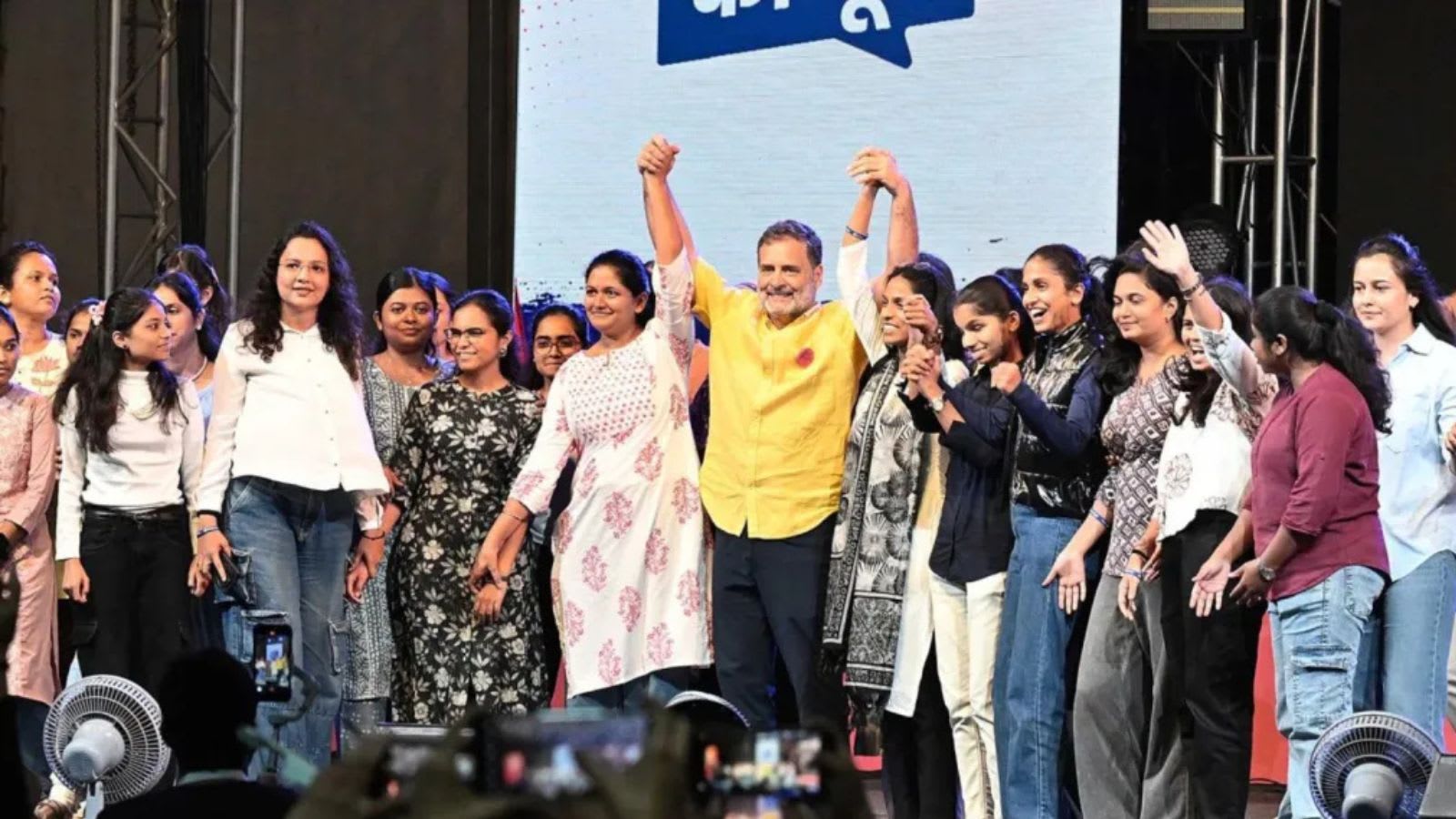
Congress has accused Madhya Pradesh police of intimidating coaching centre owners ahead of Rahul Gandhi's 'Chhatron Ki Goonj' student event in Indore. The controversy involves strict security conditions citing the Rajiv Gandhi assassination and the emergence of opposing 'Jhooth Ki Goonj' posters.
Tensions Escalate in Indore Ahead of Rahul Gandhi’s Student Outreach
The political atmosphere in Indore has reached a boiling point as the Congress party prepares for its ‘Chhatron Ki Goonj’ student outreach programme, headlined by Leader of Opposition Rahul Gandhi. The event, designed to address systemic educational grievances such as paper leaks, recruitment uncertainties, and the escalating costs of higher education, has become the center of a heated confrontation between the opposition and the ruling Bharatiya Janata Party (BJP) administration in Madhya Pradesh.
Allegations of Intimidation and Bureaucratic Hurdles
Congress Rajya Sabha member and spokesperson Pawan Khera has leveled serious allegations against the Madhya Pradesh Police, accusing them of “shameless” conduct. According to the party, local police officials have been actively threatening coaching centre operators, compelling them to sign legal undertakings that shift the burden of student safety entirely onto the private operators. This move, the Congress argues, is a deliberate attempt to discourage student participation by creating an environment of fear and legal liability for educational institutions.
The Security Directive and Historical Precedent
The situation took a dramatic turn when the police issued a document outlining 31 stringent security conditions for the event. Most notably, the police cited the Justice J.S. Verma Commission report, which investigated the 1991 assassination of former Prime Minister Rajiv Gandhi. By invoking the Commission’s findings on security lapses and the purported “irresponsible attitude” of event organizers, the police have established a high-stakes framework that mandates joint responsibility for crowd control and venue management. Congress leaders view this as an unprecedented attempt to weaponize historical security tragedies to disrupt current political activities.
The 'Jhooth Ki Goonj' Counter-Narrative
Adding to the volatility, the city of Indore has seen the sudden proliferation of posters titled ‘Jhooth Ki Goonj’—a direct play on the name of Rahul Gandhi’s event. The Congress has dismissed these posters as a state-sponsored ploy by the BJP to create obstacles and undermine the legitimacy of their outreach. Conversely, the BJP maintains that the posters represent a grassroots protest initiated by students who are allegedly angered by being coerced into attending the Congress-led interaction.
Broad Implications for Political Discourse
This incident highlights a growing trend of friction between state law enforcement agencies and opposition political maneuvering. By imposing complex security conditions and fostering a climate of intimidation, the state administration is effectively turning a policy-based student interaction into a test of institutional power. The reliance on past security failures to govern present-day political rallies suggests a hardening of political boundaries and a move toward more obstructive administrative tactics.
Future Trends in Political Mobilization
As the ‘Chhatron Ki Goonj’ event proceeds, the fallout will likely serve as a blueprint for how political events are managed—or stifled—in the region. The interplay between security mandates, administrative pressure on private entities like coaching centres, and the use of counter-propaganda campaigns marks a significant shift in Indian political campaigning. Observers will be closely watching whether these tactics become the new standard for managing opposition outreach or if they trigger a broader backlash regarding the freedom of political expression in Madhya Pradesh.
Multiple Citing Sources