20 TMC rebels set to back govt on delimitation bill in special session of Parliament
Source Entity
Latest News: Todays Latest News Headlines from India & World | Hindustan Times
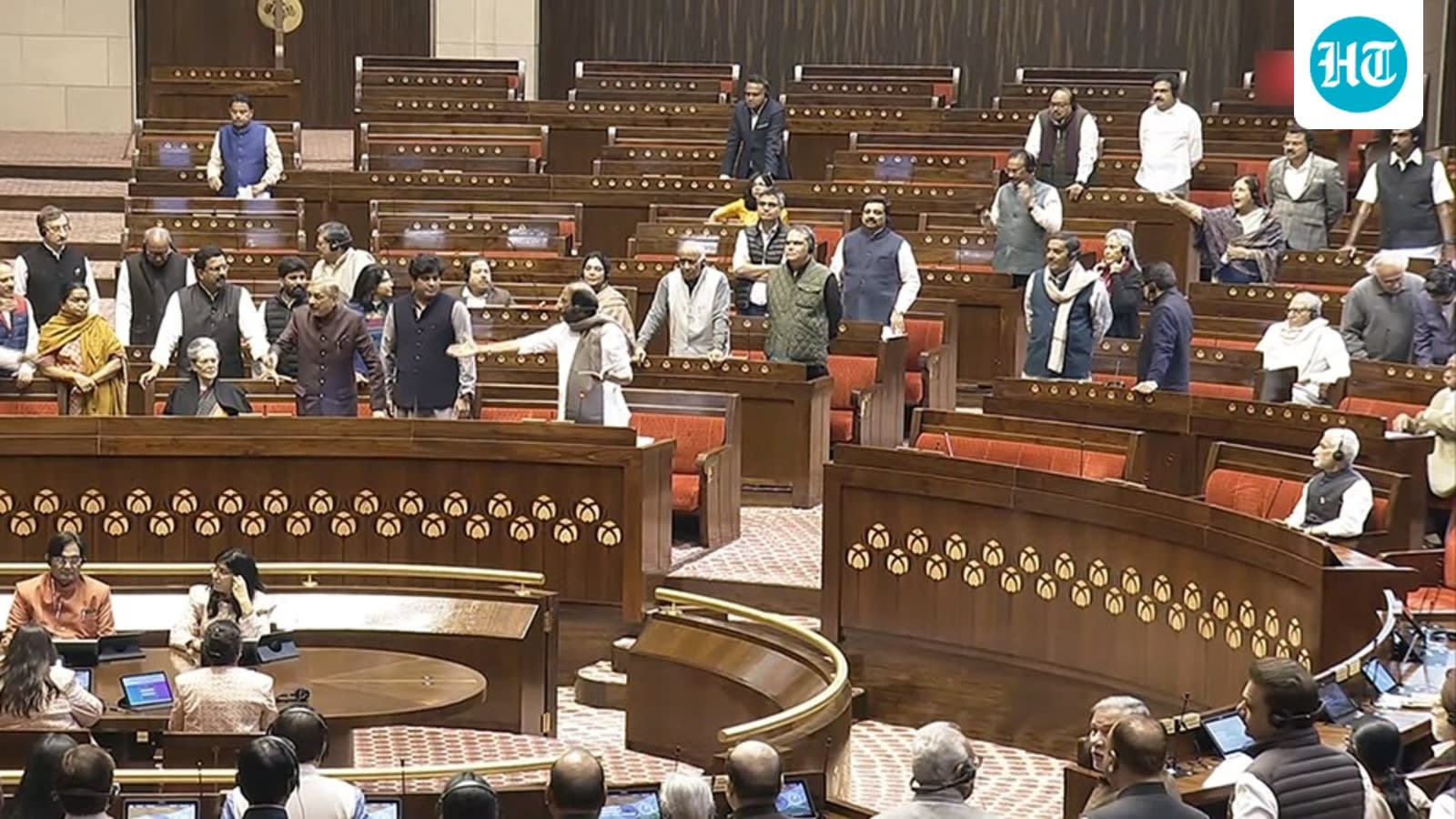
The Indian government is reconvening Parliament from November 30 to December 3 to revive the stalled Constitution (131st Amendment) Bill. This effort aims to secure a special majority for women's reservation and delimitation of Lok Sabha seats to 850.
The Legislative Push: Resuming the Quest for Constitutional Reform
The Indian government has initiated a significant parliamentary maneuver by requesting the presiding officers of both Houses to reconvene for a short session starting November 30. Following a hiatus of over 100 days since the conclusion of the Monsoon Session, this move is framed as a necessity for "Essential Government Business." The timing is critical, as it signals a renewed political appetite to address unfinished legislative agendas that have remained dormant since the parliamentary deadlock earlier this year.
The Failure of the 131st Amendment
The core of this upcoming session centers on the government’s ambition to pass the Constitution (131st Amendment) Bill, 2026. This legislation is a cornerstone of the current administration’s policy platform, seeking to implement a 33% reservation for women in the Lok Sabha. However, the path to passage is fraught with procedural hurdles; the bill previously failed to clear the Lok Sabha on April 17, 2026, due to the absence of the special majority required for constitutional amendments. This failure highlighted the delicate balance of power and the necessity for cross-party consensus on major structural reforms.
Delimitation and the Expansion of Representation
Beyond gender representation, the proposed constitutional changes are intrinsically linked to the broader issue of delimitation. The government’s proposal aims to increase the number of Lok Sabha seats to as many as 850. This expansion is designed to reflect current demographic shifts and ensure that the legislative body remains representative of the country’s growing population. By tying women’s reservation to the delimitation process, the government is attempting to overhaul the electoral map and the composition of Parliament simultaneously.
Strategic Timing and Political Implications
By targeting the 2029 Lok Sabha polls for the implementation of these reforms, the government is looking to solidify its legacy and structural vision for Indian governance. The decision to reconvene on November 30 and conclude by December 3 suggests an intense, focused legislative window. Such a short timeframe indicates that the government has likely engaged in backroom negotiations to secure the necessary support that was lacking during the failed April attempt.
Future Trends in Parliamentary Governance
This session represents a high-stakes gamble on the government's ability to mobilize its legislative agenda. If successful, the passage of the 131st Amendment would mark a transformative moment in Indian political history, reshaping the electoral landscape for the next decade. Conversely, if the government fails to secure the required majority once again, it may signal a prolonged stalemate that could force the administration to rethink its legislative strategy ahead of the next general election cycle. The coming days will be a definitive test of political management and coalition building within the Indian parliamentary system.
Multiple Citing Sources
Verification Required?