Ceva Logistics sued over theft of employee records during data breach
Source Entity
Yahoo Finance
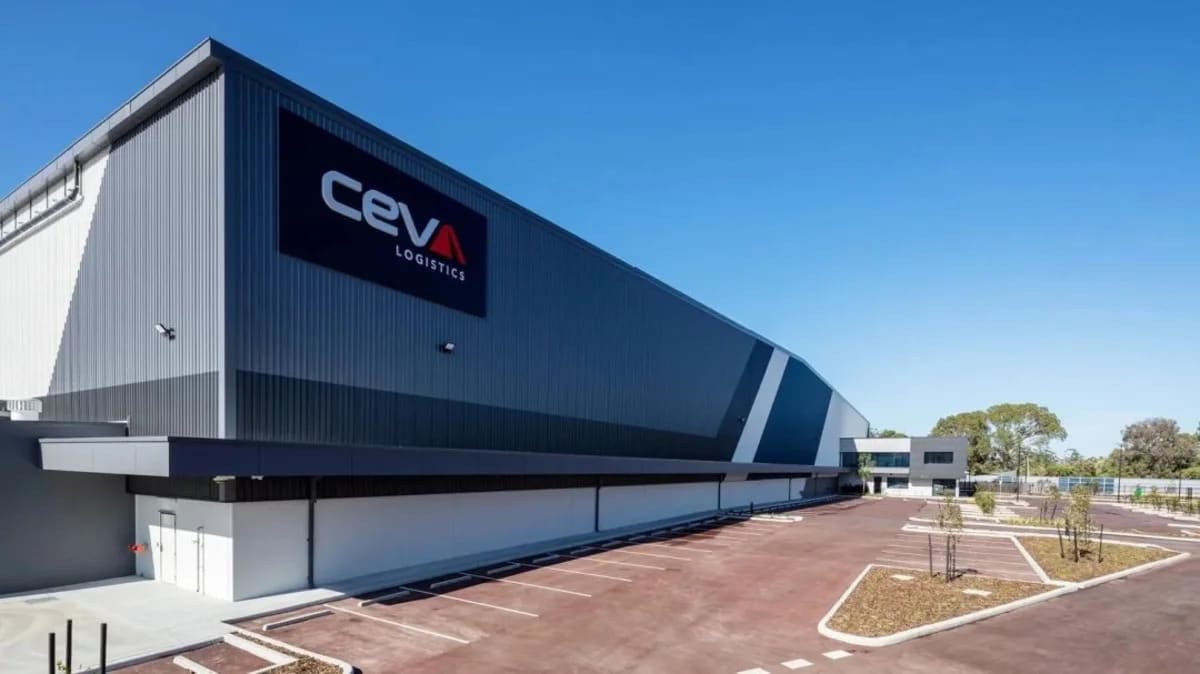
Ceva Logistics is facing a class-action lawsuit following a July cyberattack that compromised employee data. The breach disrupted major European operations, highlighting significant vulnerabilities in the supply chain giant's cybersecurity infrastructure.
The Cybersecurity Crisis at Ceva Logistics
Ceva Logistics, a titan in the global supply chain sector, is currently navigating a significant legal challenge following a sophisticated cyberattack that occurred in late July. A former employee has initiated a class-action lawsuit against the company, alleging that the firm failed to implement adequate safeguards to protect the highly sensitive personal information of its staff. This legal action underscores a critical shift in how data breaches are perceived, moving beyond mere operational disruption to focus on the long-term privacy risks posed to individual employees.
Operational Disruption and Scope
The breach, which specifically impacted eight warehouses across the Netherlands and other European nations, caused immediate logistical bottlenecks. These facilities are vital hubs for store replenishment and e-commerce fulfillment, serving as the backbone for several major retailers. By gaining unauthorized access to Ceva’s core systems, the attackers did more than just halt the movement of goods; they successfully exfiltrated sensitive data, proving that the company's internal digital perimeter was insufficient to stop a determined threat actor.
The Human Cost of Data Breaches
While corporate entities often focus on the financial ramifications of downtime, the lawsuit brought by Kevin Krupa and other affected employees highlights the human element of these attacks. When freight giants like Ceva suffer a breach, the stolen data frequently includes social security numbers, banking details, and other PII (Personally Identifiable Information). This exposes employees to the long-term threat of identity theft, which is a significant departure from the typical narrative of supply chain recovery. The lawsuit posits that Ceva had a fundamental duty to protect this information, a standard the plaintiffs argue was not met.
Broader Implications for Logistics Giants
As a France-based entity with over 1,000 warehouses worldwide and annual revenues reaching $18.3 billion, Ceva Logistics represents the massive scale of modern global trade. The fact that such a well-resourced company fell victim to a breach of this magnitude serves as a cautionary tale for the logistics industry. The integration of complex, interconnected digital systems for inventory management provides a massive attack surface that is increasingly being targeted by ransomware syndicates and data brokers.
Future Trends in Supply Chain Security
Looking ahead, this lawsuit is likely to set a precedent for how logistics companies prioritize cybersecurity. We can expect to see an increase in regulatory scrutiny regarding the handling of employee data within the supply chain. Companies will likely be forced to move beyond standard firewall protections and adopt more rigorous encryption and zero-trust architectures to prevent similar incidents. Furthermore, the industry may see a rise in cyber-insurance premiums and a more stringent vetting process for third-party digital vendors, as the cost of failure—both in terms of operational downtime and legal liability—continues to climb.
Conclusion
The situation at Ceva Logistics is a stark reminder that the digital transformation of global logistics carries inherent risks. As the company works to recover from the operational fallout of the July breach, it must now also contend with a legal battle that challenges its data management practices. The outcome of this class-action lawsuit will likely influence how major corporations balance the need for interconnected efficiency with the absolute necessity of protecting the privacy of their workforce.