The Helicopter with Radioactive Blades
Source Entity
Hacker News
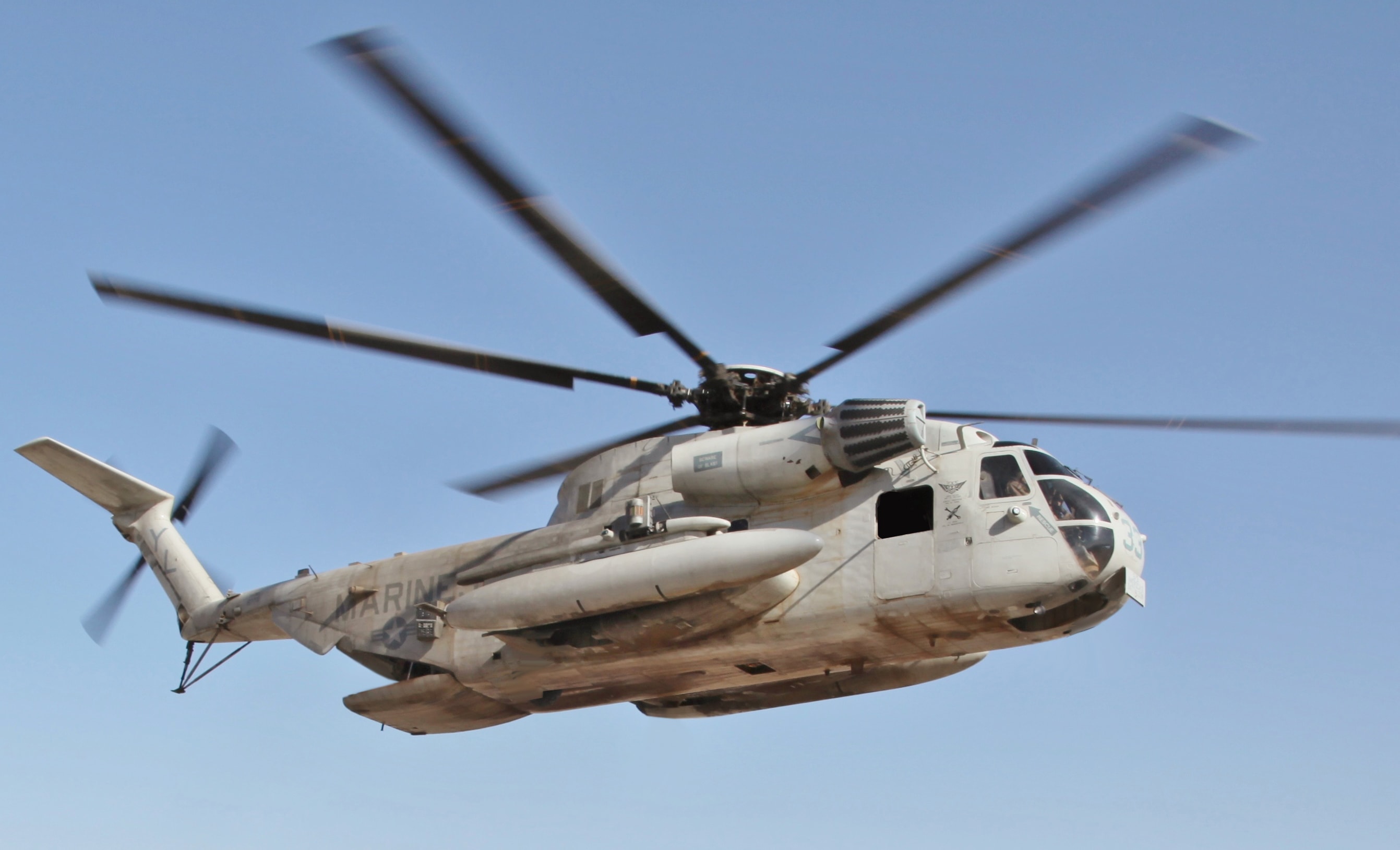
The CH-53 Sea Stallion, a heavy-lift helicopter in service since 1966, faced persistent challenges in detecting structural cracks within its rotor blade spars. Engineers turned to radioactive isotopes as a creative diagnostic tool to identify these critical failures before they led to catastrophic outcomes.
The Engineering Challenge of the CH-53 Sea Stallion
Since its introduction in 1966, the CH-53 Sea Stallion has served as a cornerstone of heavy-lift rotary aviation. Given its immense lifting capacity, the structural integrity of its rotor assembly is paramount. The helicopter relies on a complex arrangement of six or seven rotor blades, each anchored by a central spar that serves as the primary load-bearing member. Ensuring the health of these components has historically been a significant hurdle for military and aerospace engineers.
Evolution of Structural Materials
The material science behind these blades has evolved significantly over the decades to meet increasing operational demands. Early iterations of the CH-53 utilized extruded aluminum spars, which were later replaced by cold-formed titanium in the CH-53D and subsequent variants. While titanium offered superior strength-to-weight ratios and durability, the inherent challenge remained: the detection of microscopic fatigue cracks that, if left unaddressed, could propagate into catastrophic structural failure during flight.
The Role of Radioactive Diagnostics
To address the difficulty of identifying these tiny, often invisible cracks, engineers sought innovative inspection methodologies. Traditional visual inspection is insufficient for detecting deep-seated fatigue within a metal spar. By utilizing radioactive isotopes, technicians were able to perform non-destructive testing that could penetrate the dense titanium or aluminum structures, revealing internal discontinuities that would otherwise remain hidden until a failure occurred.
Broader Implications for Aviation Safety
This specific application of radioactive materials highlights the extreme measures often required to maintain the safety of aging but essential military fleets. The transition from manual inspections to advanced diagnostic testing represents a broader trend in aerospace maintenance: the move toward predictive rather than reactive safety protocols. By identifying crack propagation at the earliest possible stage, maintenance crews can extend the service life of airframes while ensuring the safety of flight crews.
Future Trends in Structural Health Monitoring
Looking forward, the legacy of the CH-53's maintenance challenges informs modern structural health monitoring (SHM). While radioactive testing provided a critical solution for its time, today's aerospace industry is shifting toward integrated sensors, ultrasonic testing, and digital twin technology. These advancements aim to automate the detection process that was once a manual, isotope-dependent task, ensuring that even the most robust heavy-lift helicopters can continue to operate safely in demanding environments.