Chamarajanagar DC conducts surprise inspection of hotels, restaurants
Source Entity
India Latest News: Top National Headlines Today & Breaking News | The Hindu
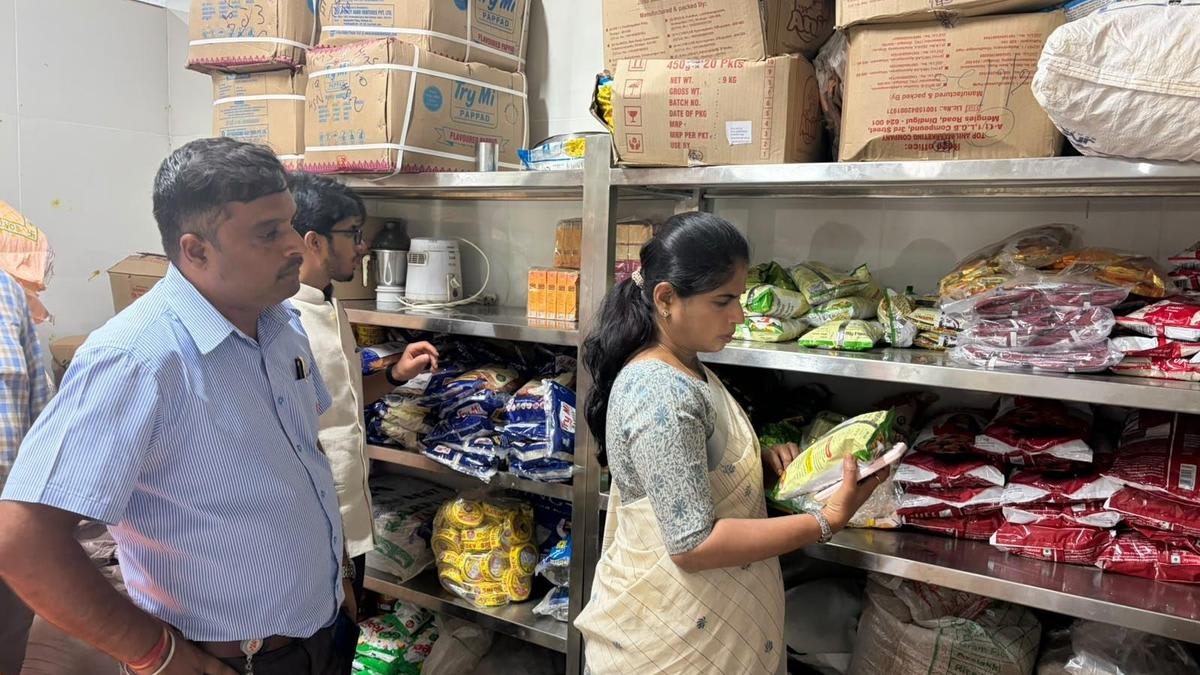
Chamarajanagar Deputy Commissioner Shreeroopa conducted surprise food safety inspections, resulting in the temporary closure of two hotels. Officials discovered unhygienic conditions, artificial color usage, and the storage of expired or stale food items.
Strengthening Public Health Oversight in Chamarajanagar
In a decisive move to uphold public health standards, Deputy Commissioner of Chamarajanagar, Shreeroopa, led a series of surprise inspections across the town’s hospitality sector on Monday. Accompanied by Assistant Commissioner and Food Safety Officer Dinesh Kumar Meena, the administrative team conducted rigorous checks of hotel and restaurant kitchens. This operation highlights a growing administrative commitment to ensuring that food safety protocols are not merely bureaucratic checkboxes but active, enforced standards.
Findings of Non-Compliance
The inspection revealed a concerning disregard for basic hygiene and food safety regulations. Among the violations uncovered were the use of artificial coloring, the presence of unhygienic kitchen environments, and the storage of poor-quality grocery products. Perhaps most alarming was the discovery of stale meat and mushrooms stored in refrigerators, alongside the use of expired food ingredients. Such practices pose immediate risks to consumer health and underscore the necessity of these surprise regulatory interventions.
Regulatory Enforcement and Immediate Consequences
As a direct consequence of these violations, two establishments in Chamarajanagar town were ordered to cease operations temporarily. By mandating immediate closure, the District Administration is sending a strong signal that public health concerns outweigh commercial interests. This enforcement mechanism serves as a critical deterrent for other businesses, emphasizing that the failure to maintain sanitary conditions will lead to tangible economic repercussions.
The Broader Implications for Food Safety
This incident serves as a microcosm of the broader challenges faced by Tier-2 and Tier-3 cities in maintaining food safety standards. As urban populations grow and dining habits evolve, the pressure on local food establishments to cut corners often increases. The proactive stance taken by DC Shreeroopa aligns with national efforts to harmonize food safety standards under the Food Safety and Standards Authority of India (FSSAI) guidelines, ensuring that consumer welfare remains at the forefront of local governance.
Looking Ahead: Sustainable Compliance
The temporary closure of these establishments is only the first step in a larger process of accountability. Future trends suggest that local administrations will likely increase the frequency of such unannounced inspections to ensure sustained compliance rather than fleeting improvements. For the hospitality sector in Chamarajanagar, this event marks a shift toward a more rigorous regulatory climate, where transparency in sourcing and hygiene in processing are no longer optional, but essential for survival in the marketplace.
Conclusion
The swift action taken by the Chamarajanagar District Administration underscores the vital role of local oversight in protecting public health. By addressing issues ranging from expired ingredients to unhygienic storage, the authorities have reaffirmed their duty to the public. This intervention not only rectifies immediate threats but also fosters a culture of responsibility among local food service providers, ultimately enhancing the safety and quality of the culinary landscape in the region.
Verification Required?