"Walls Had Started Developing Cracks": Delhi Building Collapse Survivor
Source Entity
NDTV News Search Records Found 1000
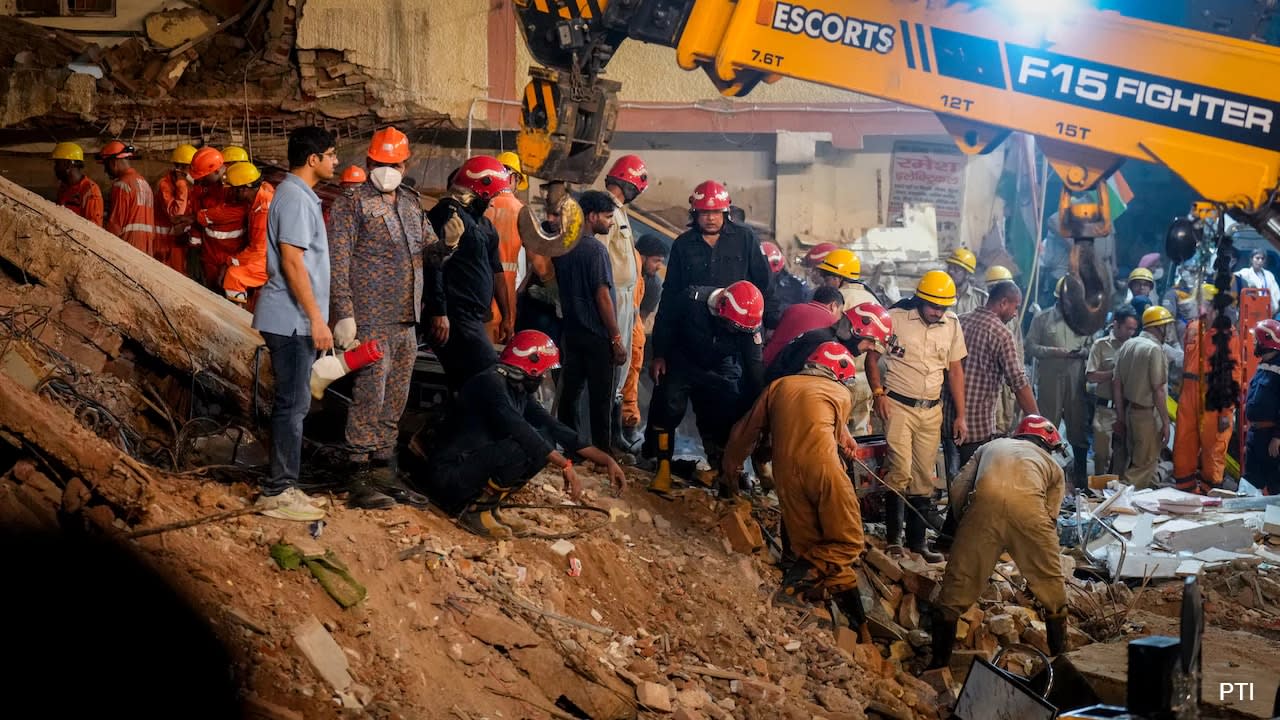
Following a tragic building collapse in Delhi's Satya Niketan that killed seven, the MCD has launched a crackdown on unauthorized PG accommodations. Authorities are conducting widespread demolitions and planning a comprehensive survey to enforce safety and building regulations.
The Satya Niketan Tragedy: A Crisis of Urban Safety
The recent collapse of a five-storey building in Delhi’s Satya Niketan neighborhood has sent shockwaves through the city, resulting in the tragic loss of seven lives, including five students. This catastrophic event has exposed deep-seated failures in urban planning and building safety enforcement. Investigations revealed that the structure, which operated as a paying guest (PG) accommodation, lacked a sanctioned building plan, highlighting a systemic disregard for safety protocols in the city's rapidly expanding rental market.
Accountability and Administrative Response
In the immediate aftermath, the Municipal Corporation of Delhi (MCD) has taken decisive but reactive steps. The suspension of five officials, including a deputy commissioner, signals a recognition of administrative negligence. This accountability measure is a crucial first step, yet it underscores the broader issue of how such hazardous structures are allowed to operate in plain sight, often facilitated by a lack of oversight and rampant unauthorized construction.
The Role of Informal Real Estate Practices
Central to this issue is the informal nature of the PG rental market. Reports indicate that brokers frequently facilitate the leasing of entire residential floors for PG use without regard for building structural integrity or occupancy limits. This "shadow" market creates a dangerous environment where profit motives override basic fire and structural safety standards, placing vulnerable tenants—often students and young professionals—at significant risk.
Enforcement and Demolition Drives
As a direct response to the tragedy, the MCD has initiated a large-scale demolition drive, targeting 35 structures across 12 civic zones. While these actions are intended to eliminate immediate threats, they highlight the scale of the crisis. The MCD is now planning a comprehensive city-wide survey of PG accommodations. This move aims to identify unsafe facilities and reconcile actual occupancy numbers with sanctioned building usage, a monumental task given the density and informality of Delhi’s housing stock.
The Future of PG Regulations in Delhi
Looking forward, the proposed new PG policy is expected to focus on stricter licensing and rent regulations. The city faces the difficult challenge of balancing the high demand for affordable student housing with the non-negotiable requirement for safe infrastructure. Future trends suggest that the municipal government will likely move toward a mandatory registration system for all PG providers, requiring structural audits and adherence to building bylaws as a prerequisite for operation.
Conclusion: Moving Toward Structural Integrity
The Satya Niketan collapse serves as a grim wake-up call for urban governance in Delhi. While the current crackdown provides a necessary immediate response, the long-term solution requires a shift from reactive demolition to proactive, consistent enforcement. Only by integrating PG accommodations into a transparent, regulated framework can the city hope to prevent a recurrence of this preventable tragedy.
Multiple Citing Sources
Verification Required?