Suspected drone movement near Amritsar airport prompts diversion of 7 flights to Delhi
Source Entity
Express Web Desk
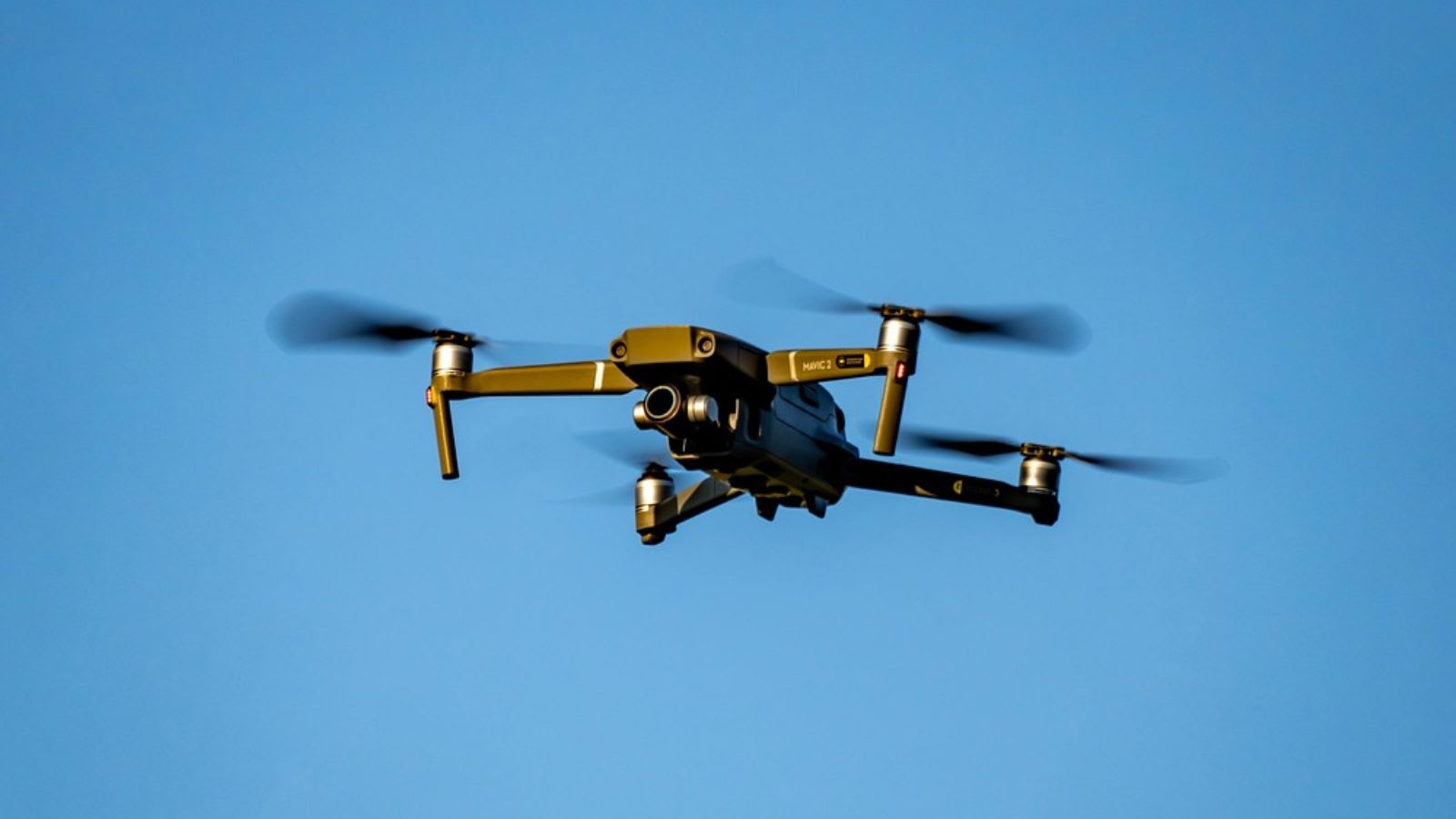
Suspected drone activity near Amritsar's Sri Guru Ram Das Ji International Airport forced a temporary suspension of operations and the diversion of seven flights. Security agencies are investigating the incident, which highlights ongoing concerns regarding aerial security near the international border.
Security Breach at Amritsar Airport: A Deep Dive
On the night of Sunday, September 7, the tranquil operations of Sri Guru Ram Das Ji International Airport in Amritsar were abruptly halted by the detection of suspected drone-like objects. The sighting, which occurred around 10:00 pm, necessitated an immediate response from Air Traffic Control (ATC). Recognizing the potential for catastrophic interference with civil aviation, authorities made the difficult but necessary decision to suspend all landing operations, effectively sealing the airspace between 9:50 pm and 11:15 pm.
Operational Impact and Immediate Response
The ripple effects of this security alert were significant, impacting the travel schedules of hundreds of passengers. Airport Director Anirudh Kumar confirmed that seven incoming flights—including two international services—were diverted to alternate hubs. Five flights were rerouted to New Delhi, while two were directed to Chandigarh. This move, while disruptive, served as a vital precautionary measure to ensure that no mid-air collisions or ground-based security threats could manifest during the period of uncertainty.
The Proximity Factor and Cross-Border Concerns
Amritsar’s geographic location makes it a high-stakes zone for security planners. Situated in close proximity to the international border with Pakistan, the airport is a frequent focal point for security scrutiny. The presence of unidentified aerial vehicles in this sensitive corridor is viewed with extreme gravity by both Punjab Police and central intelligence agencies. The investigation is currently focused on determining the origin of these objects and whether they represent a localized nuisance or a more coordinated, cross-border security probe.
Technological Challenges in Airspace Management
The incident underscores the growing challenge of 'drone-incursions' near critical infrastructure. Unlike traditional aircraft, small, low-altitude drones are notoriously difficult for standard radar systems to detect and track. The detection of these objects near the runway area suggests that current perimeter surveillance must contend with increasingly sophisticated aerial threats that can bypass traditional security perimeters, posing a significant risk to the safety of commercial aviation.
Broader Security Implications and Future Trends
Moving forward, this event is likely to trigger a comprehensive review of drone-detection protocols at major Indian airports, particularly those located in border regions. The ability of unidentified objects to disrupt flight operations for over an hour demonstrates a vulnerability that adversaries may look to exploit. As drone technology becomes cheaper and more accessible, the necessity for robust, anti-drone defense systems—such as jamming technology or advanced thermal imaging sensors—at civil airports will likely transition from a luxury to a baseline requirement for national security.
Concluding Assessment
The incident at Amritsar serves as a stark reminder of the evolving nature of threats facing modern aviation. While the prompt diversion of seven flights ensured the safety of all passengers, the underlying issue of unauthorized aerial activity near sensitive zones remains a critical concern. As investigation efforts continue, the coordination between local police and central agencies will be paramount in preventing future disruptions and maintaining the integrity of India's border-adjacent infrastructure.