YouTuber held in Saharanpur for ‘breach of peace’
Source Entity
Manish Sahu
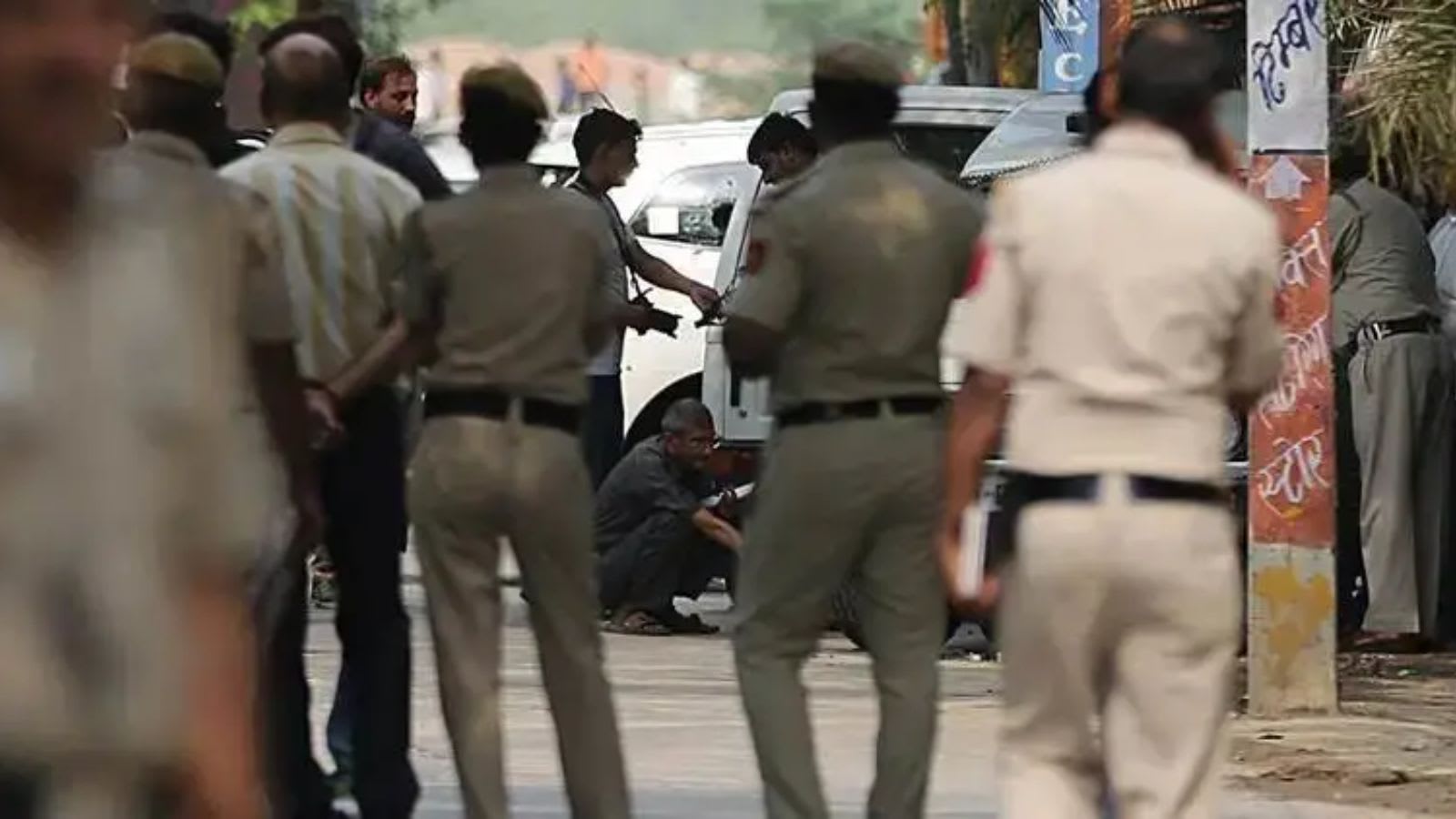
YouTuber and journalist Huda Zariwala has been arrested in Saharanpur following a protest against a mosque demolition at the Collectorate. She faces charges for breach of peace and allegedly posting objectionable content targeting state officials.
The Arrest of Huda Zariwala in Saharanpur: An Overview
On Monday, Saharanpur authorities took Huda Zariwala, a 34-year-old journalist and YouTuber, into custody following a series of events centered around the demolition of a mosque within the local Collectorate premises. The situation escalated when Zariwala allegedly created a disturbance at the local Circuit House, leading to her arrest under Section 170 of the Bharatiya Nagarik Suraksha Sanhita, which is designed to prevent the commission of a cognizable offense.
Contextualizing the Mosque Demolition
The root of this legal confrontation lies in the recent removal of a mosque from the Saharanpur Collectorate premises. According to official reports, this action was carried out in accordance with a court order. Such incidents involving religious structures on government land often trigger intense local reactions, highlighting the delicate balance between administrative compliance with legal mandates and the preservation of communal sentiments.
Escalation and Alleged Obscene Content
Beyond the initial arrest for breach of peace at the Circuit House, the police have initiated further legal proceedings by lodging an FIR against Zariwala. Authorities allege that she shared objectionable content on social media platforms concerning the demolition. Furthermore, reports indicate that these remarks were directed toward high-ranking officials, including the Chief Minister and the District Magistrate, which has significantly complicated her legal standing in this ongoing investigation.
Legal Implications and Procedural Actions
Superintendent of Police Vyom Bindal confirmed that Zariwala was produced before a local court, which subsequently remanded her to judicial custody. The utilization of Section 170 of the Bharatiya Nagarik Suraksha Sanhita reflects a proactive approach by law enforcement to maintain public order in the face of potentially volatile protests. This legal framework allows for detention when authorities believe a breach of peace is imminent or ongoing.
The Role of Independent Media and Digital Accountability
This case highlights the growing intersection between independent digital content creation and traditional law enforcement. As YouTubers and citizen journalists increasingly cover sensitive local issues, they often find themselves at the center of legal scrutiny. The incident in Saharanpur serves as a reminder of the strict regulations governing public speech, especially when such speech is perceived by authorities as inciting unrest or targeting public officials.
Future Trends in Regional Law Enforcement
Moving forward, this case is likely to be monitored for its implications on freedom of expression and the boundaries of journalistic conduct in sensitive zones. As the legal process unfolds, the court will determine the validity of the charges related to the alleged objectionable content. This case underscores the broader trend of increased monitoring of social media activity in regions where communal or administrative tensions are high, as law enforcement agencies aim to preemptively mitigate the risks of public disorder.