Delhi traffic police issue advisory over Satya Niketan building collapse rescue work
Source Entity
Latest News: Todays Latest News Headlines from India & World | Hindustan Times | Hindustan Times
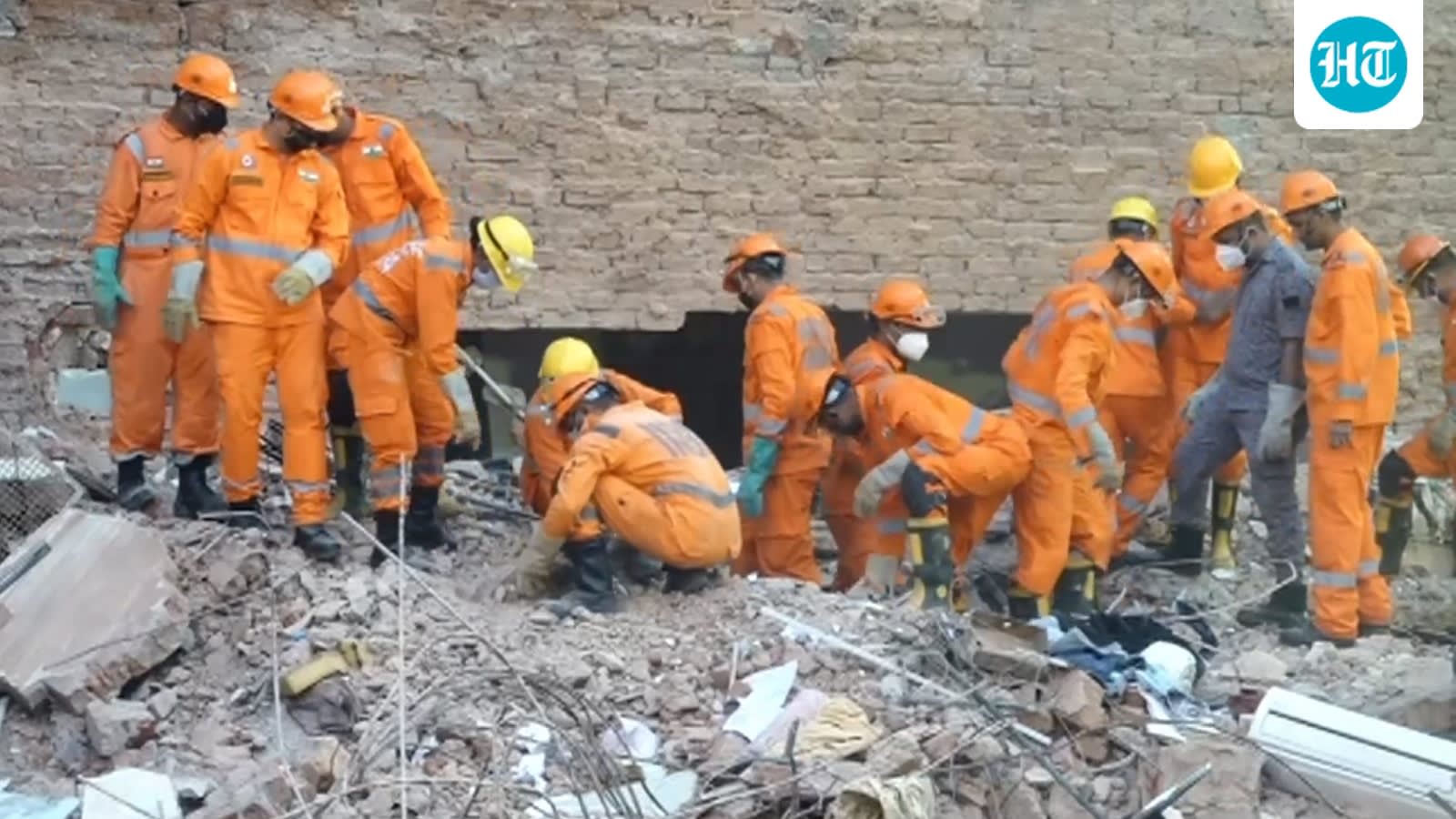
Following a deadly building collapse in Delhi’s Satya Niketan that killed seven, the MCD has launched a massive crackdown on unsafe PG accommodations. Authorities are planning a city-wide survey and strict regulatory enforcement to address illegal structures and prevent future tragedies.
The Satya Niketan Tragedy: A Catalyst for Urban Reform
The recent collapse of a five-storey building in the Satya Niketan area of Delhi, which claimed the lives of seven individuals, including five students, has sent shockwaves through the capital. This incident has exposed deep-seated systemic failures in urban planning and building safety, forcing the Municipal Corporation of Delhi (MCD) to confront the hazards posed by the proliferation of unregulated paying guest (PG) accommodations. The tragedy serves as a grim reminder of the risks inherent in a city where demand for student and migrant housing often outstrips the availability of safe, sanctioned infrastructure.
Uncovering the Roots of Unsafe Housing
Investigations into the collapse have revealed that the structure lacked a sanctioned building plan, a common issue in many of Delhi’s residential pockets. The reliance on informal networks, where brokers often facilitate the leasing of floors for PG use without regard for structural integrity or safety codes, has exacerbated the danger. These brokers operate in a gray market, turning residential floors into high-density living spaces that are neither designed for such loads nor equipped with necessary emergency infrastructure, effectively putting profit above human life.
Administrative Accountability and Immediate Response
In the immediate aftermath of the disaster, the MCD has taken decisive, albeit reactive, measures. The suspension of five officials, including a deputy commissioner, signals a recognition of administrative negligence that allowed these unsafe buildings to thrive. By initiating a large-scale demolition drive—resulting in 35 demolitions across 12 zones—the corporation is attempting to demonstrate a newfound commitment to safety, though critics argue such actions should have been proactive rather than punitive in the wake of a tragedy.
The Path Toward a New PG Policy
Looking ahead, the MCD is drafting a comprehensive PG policy aimed at formalizing this sector. The proposed survey of all PG accommodations is a critical step in quantifying the density of occupants and identifying buildings that fail to meet basic safety standards. A robust policy must address not just the structural stability of these buildings, but also compliance with fire safety, occupancy limits, and proper documentation, ensuring that landlords are held accountable for the safety of their tenants.
Broader Implications and Future Trends
This event highlights a broader urban crisis: the tension between rapid urbanization and the slow pace of regulatory enforcement. As Delhi continues to draw thousands of students and workers, the demand for affordable housing will only grow. Future trends must involve integrating real-time monitoring of building safety with a transparent licensing system. Without a fundamental shift in how the city regulates its informal housing stock, the cycle of tragedy and reactive enforcement is likely to continue. The success of the proposed policy will ultimately depend on the MCD's ability to balance administrative oversight with the practical realities of Delhi’s housing market.
Multiple Citing Sources
Verification Required?