Asaram seeks bail citing Rajasthan parole, Gujarat High Court rejects plea
Source Entity
Aditi Raja
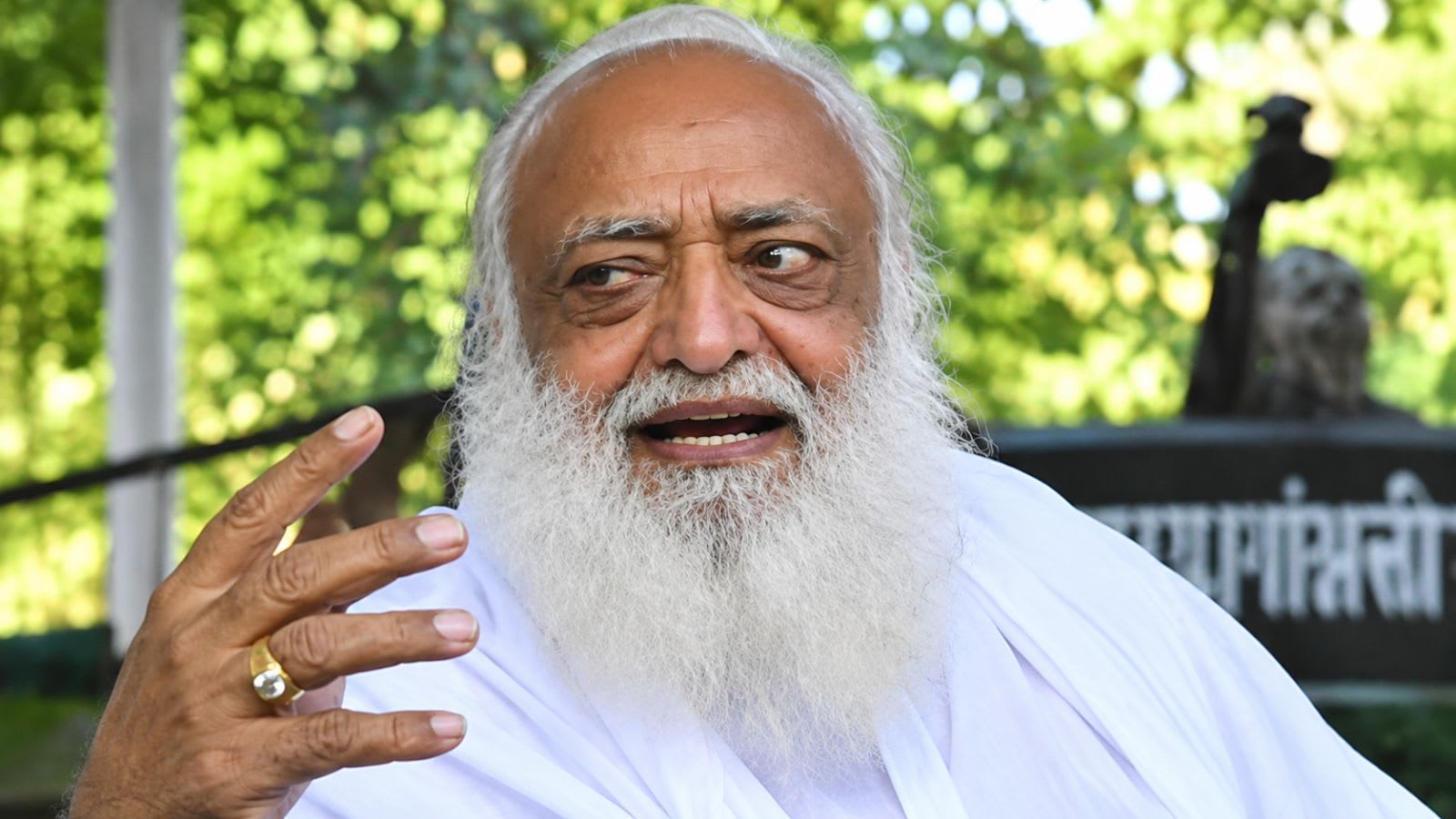
The Gujarat High Court has rejected Asaram Bapu's plea for temporary bail, which was based on a parole order granted by the Rajasthan High Court. The court ruled that the applicant failed to provide independent grounds for his release in the Gujarat case.
Legal Setback for Asaram Bapu in Gujarat
In a significant legal development, the Gujarat High Court has dismissed a plea filed by self-styled godman Asaram Bapu, who sought temporary bail for a period of 20 days. Asaram, currently serving a life sentence following his conviction in a 2013 rape case by a Gandhinagar court, attempted to leverage a recent judicial decision from Rajasthan to secure his release. This rejection underscores the stringent judicial stance taken regarding high-profile convicts seeking temporary relief based on external jurisdictional orders.
The Argument for Bail
The defense counsel for Asaram argued that the Rajasthan High Court had previously granted a 20-day parole in a separate, ongoing rape case against him. By citing his advanced age and the precedent set by the Rajasthan order, the defense attempted to establish a basis for similar relief in Gujarat. The legal strategy relied on the principle of consistency, suggesting that the reasoning applied in one jurisdiction should carry weight in another, particularly concerning the health and age-related vulnerabilities of a convicted prisoner.
The State's Resistance
During the proceedings, the state of Gujarat offered stiff resistance to the plea. Prosecutors argued that the petitioner failed to demonstrate any "independent grounds" for his temporary release within the context of the Gujarat case. The state emphasized that legal proceedings in different states, even when involving the same individual, operate under distinct evidentiary and procedural frameworks. Consequently, a parole grant in Rajasthan does not automatically entitle a prisoner to bail in a separate case in Gujarat.
Judicial Deliberation
The bench comprising Justice Gita Gopi and Justice L S Pirzada carefully considered the arguments presented by both sides. The court’s decision to dismiss the plea reflects the judiciary's commitment to ensuring that temporary bail is granted only when specific, localized criteria are met. By requiring independent justification, the court reaffirmed that judicial discretion remains anchored to the specific facts and circumstances of the conviction at hand, rather than being influenced by external parole decisions.
Broader Legal Implications
This case highlights the complexities surrounding legal battles for high-profile figures facing multiple convictions across different states. It serves as a reminder that the Indian judicial system treats each case as a distinct entity, requiring separate applications for relief. For legal observers, this ruling serves as a precedent that parole or bail in one jurisdiction is not a blanket ticket for freedom elsewhere, reinforcing the necessity of proving specific need—such as medical necessity or legal procedural requirements—within each individual court of law.
Conclusion
Ultimately, the rejection of Asaram Bapu’s plea serves to uphold the integrity of the sentencing process in the 2013 Gandhinagar rape case. As the legal system continues to navigate the complexities of his various criminal proceedings, this judgment stands as a clear indicator that the courts will remain vigilant against attempts to conflate separate legal matters to circumvent established custodial protocols.