Woman subjected to involuntary sex by husband 'undoubtedly a victim': Supreme Court grapples with marital rape exception
Source Entity
Latest News: Todays Latest News Headlines from India & World | Hindustan Times | Hindustan Times
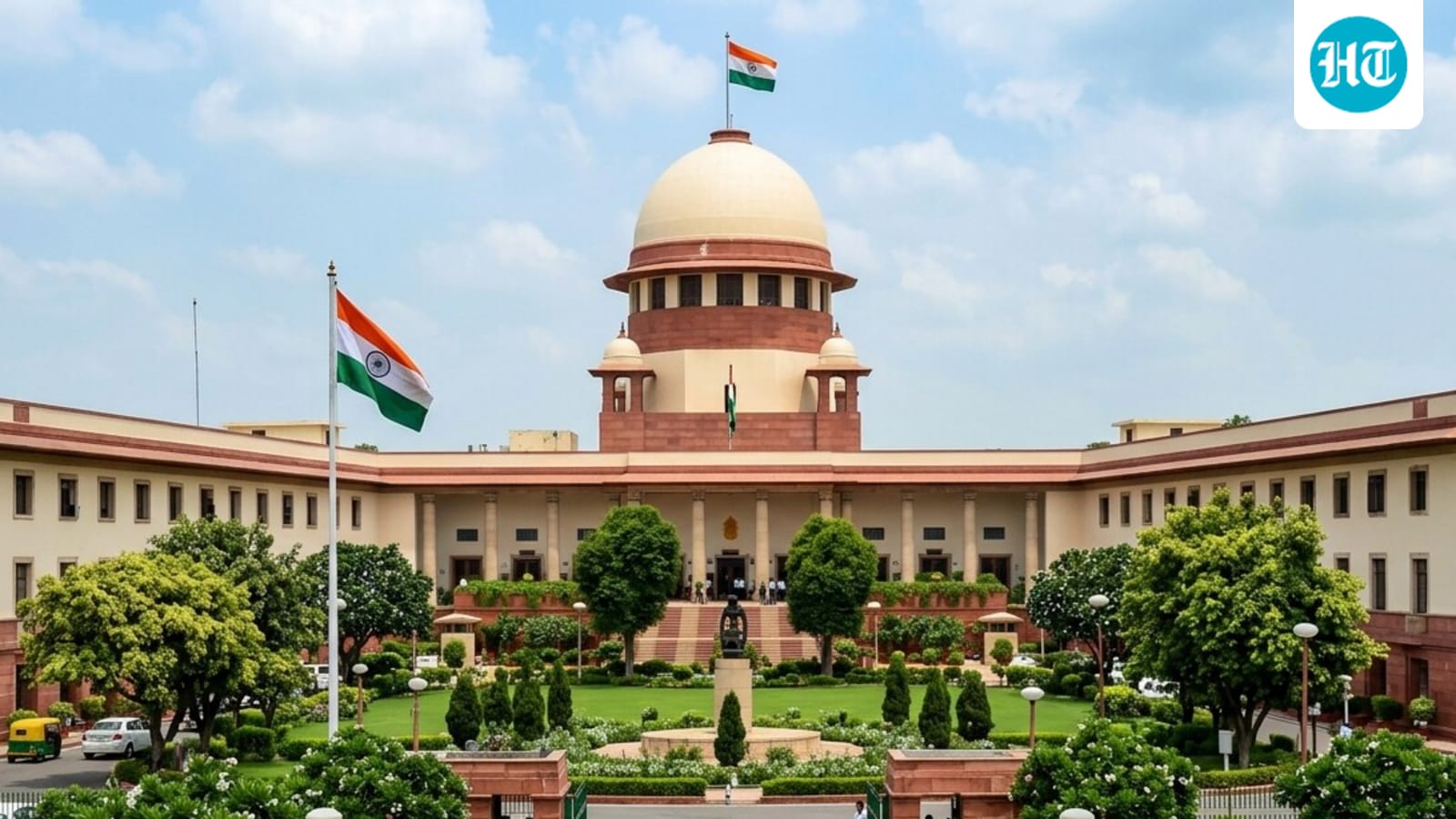
The Supreme Court of India is currently examining the constitutionality of the marital rape exception, acknowledging that a woman forced into sex by her husband is a victim. The bench is weighing whether prosecution is legally permissible under current statutes while deliberating the validity of Section 375 of the IPC and its successor, the BNS.
The Supreme Court’s Deliberation on Marital Rape
The Supreme Court of India has initiated a critical examination of the marital rape exception, a long-standing legal provision that has sparked intense debate regarding bodily autonomy and matrimonial rights. During a recent hearing involving a case from Karnataka—where a husband was accused of treating his wife like a “sex slave”—the bench, headed by Chief Justice of India Surya Kant, unequivocally stated that a woman subjected to involuntary sexual intercourse by her husband is “undoubtedly a victim.” This acknowledgment marks a significant shift in the judicial discourse surrounding the sanctity of marriage versus the fundamental rights of individuals.
The Legal Conundrum of Statutory Exceptions
At the heart of the proceedings is the tension between moral recognition and statutory limitation. The court is grappling with a profound legal paradox: if the law, as currently defined under Section 375 of the Indian Penal Code (IPC) and its successor, the Bharatiya Nyaya Sanhita (BNS), expressly excludes marital intercourse from the definition of rape, can a constitutional court permit prosecution? The bench, which also includes Justices Joymalya Bagchi and V. Mohana, is tasked with determining whether the judiciary can override a statutory exception before the law itself is formally declared unconstitutional.
Constitutional Validity and Legislative Intent
The Supreme Court is currently hearing a series of petitions that challenge the constitutional validity of the marital rape exception. The judiciary is carefully weighing whether the existing legal framework violates the constitutional guarantee of equality and dignity. By questioning how a person can be punished for conduct that is not legally defined as an offence under the current statute, the court is highlighting the necessity of legislative clarity. This process underscores the delicate balance the judiciary must maintain when interpreting laws that have historically shielded husbands from rape charges within the marital union.
Broader Implications for Gender Justice
This legal battle represents a pivotal moment for gender justice in India. For years, activists have argued that the marital rape exception perpetuates a patriarchal view of marriage, where consent is subsumed by the marital contract. By acknowledging the victimhood of the complainant in the Karnataka case, the Supreme Court has signaled that the judiciary is increasingly cognizant of the psychological and physical trauma inherent in non-consensual marital sex, regardless of the current legislative lacuna.
Future Trends and Judicial Precedent
The outcome of these petitions will likely set a landmark precedent for criminal law in India. If the Supreme Court moves to strike down or read down the marital rape exception, it would necessitate a significant overhaul of how domestic violence and sexual assault are litigated. Such a ruling would not only align Indian law with international human rights standards but would also provide a robust legal mechanism for protection within the domestic sphere. The court’s cautious approach reflects the complexity of navigating societal norms while upholding the transformative potential of the Constitution.
Verification Required?