Sudden water inflow traps workers inside Uttarakhand tunnel, 16 rescued
Source Entity
TOI CITY DESK
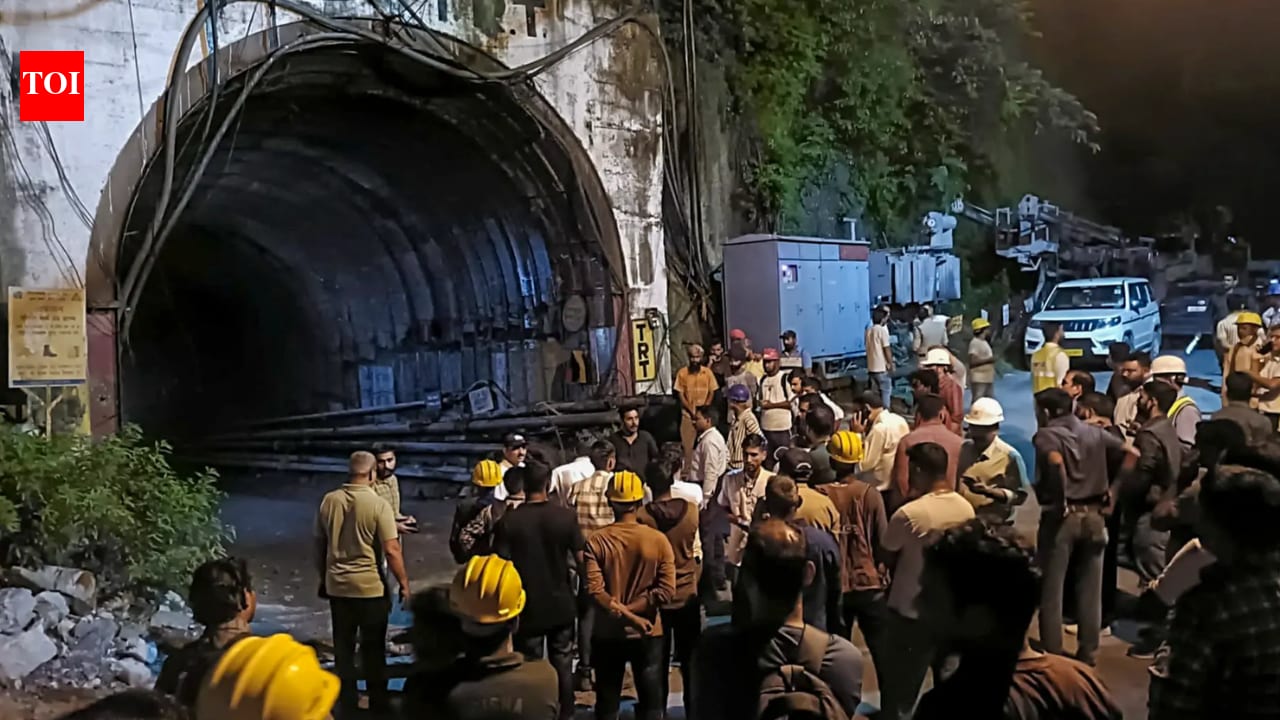
A landslide and subsequent water surge trapped 22 workers in an under-construction THDC tunnel in Uttarakhand's Chamoli district. While 16-18 workers have been rescued, a major multi-agency operation continues to locate the remaining individuals amid precarious conditions.
Crisis in Chamoli: Tunnel Collapse Sparks Urgent Rescue Mission
On Thursday, August 13, 2026, a major industrial emergency unfolded in the Chamoli district of Uttarakhand, where a landslide triggered a sudden influx of water and debris into an under-construction tunnel. The site, part of the Vishnugad-Pipalkoti Hydroelectric Project managed by the Tehri Hydro Development Corporation Limited (THDC), became the center of a high-stakes rescue operation after 22 workers were initially reported trapped inside the three-kilometer-long tail-race tunnel (TRT).
The Sequence of Events
Preliminary reports indicate that the disaster began around 7:05 p.m., following heavy rainfall in the region. The landslide compromised the structural integrity of the tunnel, allowing a massive surge of water and debris to penetrate the structure at a point approximately 1.5 kilometers from the tunnel mouth. The abrupt nature of the incident left little time for evacuation, necessitating an immediate response from state and federal emergency services.
Multi-Agency Response Efforts
In a coordinated effort to save lives, teams from the Indian Army, the Indo-Tibetan Border Police (ITBP), the National Disaster Response Force (NDRF), and the State Disaster Response Force (SDRF) were deployed to the site. The rescue operation is described as a race against time, as rescuers work to navigate the unstable, debris-filled environment. While officials have confirmed the successful rescue of at least 16 to 18 workers, the status of the remaining individuals remains the primary focus of the ongoing search.
Geopolitical and Environmental Context
Uttarakhand is notoriously prone to geological instability, particularly during the monsoon season. The Himalayas are a young, fragile mountain range, and large-scale infrastructure projects like hydroelectric dams often contend with the dual threats of seismic activity and sudden, intense precipitation. This incident highlights the inherent risks associated with deep-tunneling projects in ecologically sensitive, high-altitude regions where climate-induced weather patterns can rapidly transform a construction site into a death trap.
Challenges of High-Altitude Engineering
Engineering challenges in the Chamoli region are exacerbated by the unpredictable nature of subterranean water channels and soil saturation. When a landslide occurs near an active tunnel, the resulting slurry of earth and water can quickly fill voids, making the environment extremely precarious for both the victims and the rescue teams. The ongoing operation must account for the structural instability of the remaining tunnel sections, which could be prone to further collapse.
Future Implications and Safety Standards
This incident will likely trigger a rigorous safety audit of the Vishnugad-Pipalkoti Hydroelectric Project and similar developments across the Himalayan belt. As the rescue operation concludes, authorities will be tasked with determining the precise cause of the failure and whether existing safety protocols were sufficient to mitigate the risks posed by extreme weather events. The focus in the coming days will shift from immediate life-saving measures to long-term investigations into the safety standards of tunnel construction in high-risk zones.
Multiple Citing Sources