Faisal Islam: The two big calls the chancellor has to make ahead of the Budget
Source Entity
BBC News
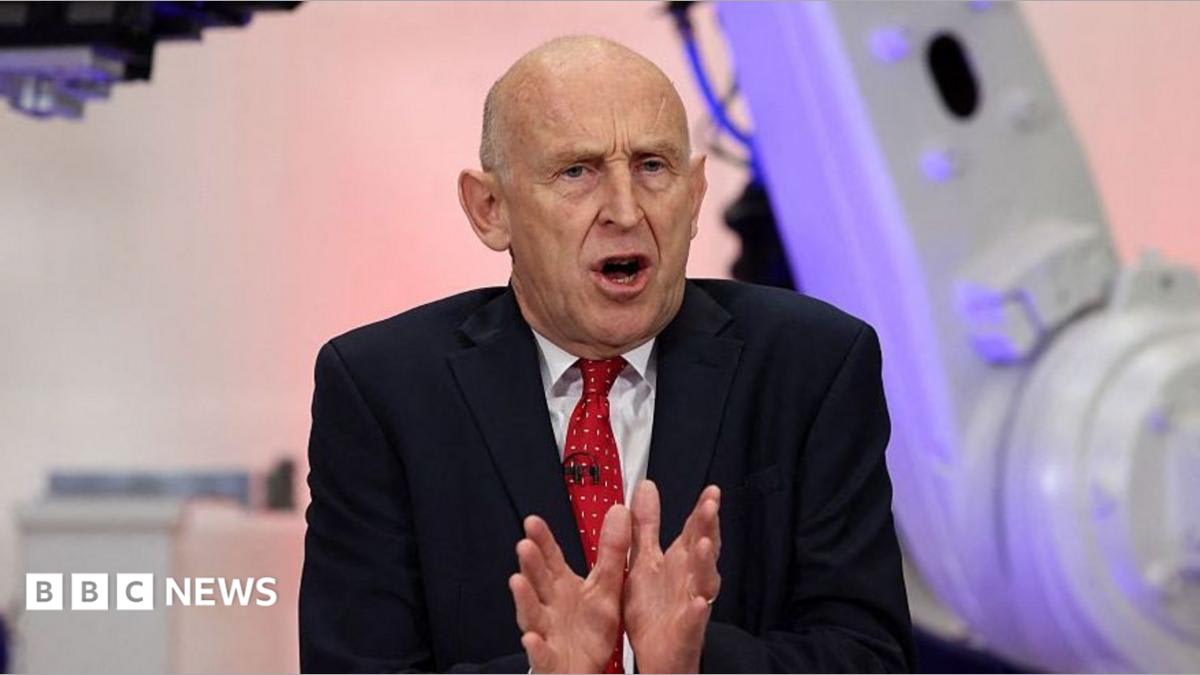
Chancellor Rachel Reeves faces critical decisions ahead of the upcoming October 28th Budget amid global economic instability. The government aims to balance fiscal caution with initiatives to boost public confidence, such as new property ladder support for young people.
The Chancellor’s Strategic Tightrope: Navigating Economic Uncertainty
As the United Kingdom approaches its inaugural Budget on October 28th, the Chancellor of the Exchequer faces a complex macroeconomic landscape defined by both internal aspirations and external volatility. The government is currently tasked with reconciling a narrative of "modest optimism" with the harsh realities of a global economy impacted by geopolitical strife. This delicate balancing act is central to the administration's early tenure, as they seek to define their fiscal identity while managing inherited economic pressures.
The Impact of Geopolitical Turbulence
The primary challenge facing the Treasury is the persistent shadow cast by the Iran conflict. Global conflicts are rarely contained within regional borders; they inevitably bleed into the domestic economy by driving up inflation and, consequently, interest rates. These pressures create a difficult environment for policymakers who are attempting to stimulate growth without exacerbating the cost-of-living crisis. The Chancellor must now accurately assess the longevity of these pressures to determine how much fiscal headroom exists for the upcoming Budget.
Balancing Caution and Confidence
Public sentiment plays a vital role in economic health, and the government is acutely aware of the risks posed by excessive "doom-mongering." Defense Secretary John Healey has emphasized that despite the current uncertainty, Britain possesses fundamental strengths that warrant confidence. This shift in rhetoric is not merely cosmetic; it is a deliberate effort to prevent the stagnation that often accompanies low consumer and investor confidence. The challenge lies in maintaining this optimistic tone while acknowledging the structural difficulties inherent in a turbulent global market.
Targeted Interventions for the Future
To bridge the gap between sentiment and reality, the government recently unveiled a new scheme designed to assist young people in accessing the property ladder. This initiative represents a tactical move to foster long-term confidence in the housing market and, by extension, the broader economy. By focusing on tangible support for younger demographics, the Chancellor is attempting to build a foundation of stability that can withstand broader global shocks.
The Road to October 28th
The upcoming Budget will serve as the definitive test for the government's economic strategy. The Chancellor must decide whether to lean into austerity to mitigate inflationary risks or to pursue growth-oriented investments that might risk short-term volatility. As the price of oil fluctuates and global supply chains remain sensitive to the Iran war, the decisions made on October 28th will likely set the tone for the United Kingdom's economic trajectory for the remainder of the fiscal year.
Conclusion: Assessing the Path Forward
Ultimately, the Chancellor’s task is to navigate a narrow path between fiscal responsibility and the need for growth. By acknowledging the severity of global conflicts while simultaneously promoting the nation's inherent strengths, the government is attempting to cultivate a resilient economic narrative. The success of this approach will depend heavily on the accuracy of the Treasury’s projections regarding global conflict and the effectiveness of their targeted interventions in the domestic market.