Chandigarh: 92.3 mm rain recorded overnight; highest in 3 years as city records coldest July night in 6 years
Source Entity
Latest News: Today's Latest News Headlines from India & World | Hindustan Times | Hindustan Times
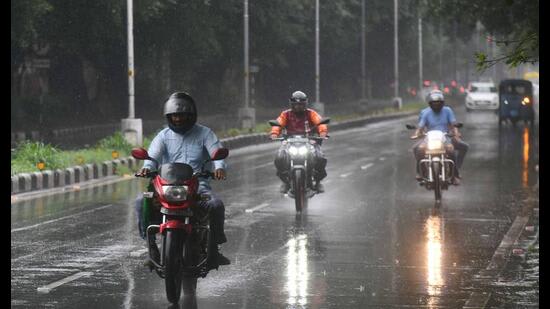
92.3 mm rain was recorded at the IMD Sector 39 observatory till 8.30 am. This is the highest for a single day of rain in July since 2023 when 302.9 mm rain was recorded in a single day. The highest ever since IMD started keeping records for the city
Extreme Weather Shift in Chandigarh: Rainfall and Temperature Anomalies
Chandigarh has recently experienced a significant meteorological event characterized by intense precipitation and an unusual drop in temperature. According to data from the India Meteorological Department (IMD) observatory in Sector 39, the city recorded 92.3 mm of rain overnight, ending at 8:30 am. This event is particularly noteworthy not only for the volume of water deposited in a short window but also for its coincidence with the coldest July night the city has witnessed in six years, signaling a volatile atmospheric shift during the peak of the monsoon season.
Analysis of Precipitation Patterns
The recording of 92.3 mm of rain in a single overnight session represents a substantial weather event for the region. While the provided data indicates this is the highest single-day rainfall for July in three years, it stands in stark contrast to the extreme outlier of 2023, where a staggering 302.9 mm was recorded. This disparity highlights the increasing variability of the monsoon in North India. When a city receives nearly 100 mm of rain in a few hours, the immediate pressure on urban drainage systems is immense. Even in a planned city like Chandigarh, such bursts of heavy rain often lead to localized waterlogging and traffic disruptions, testing the resilience of the city's infrastructure.
The Temperature Paradox: A Rare July Chill
Equally intriguing is the report that Chandigarh experienced its coldest July night in six years. Typically, July is characterized by high humidity and oppressive heat, broken only by sporadic rain. The sharp decline in temperature is a direct result of the heavy precipitation, which facilitates evaporative cooling and clears the cloud cover post-rain, allowing terrestrial heat to escape more rapidly into the atmosphere. This rare cooling effect provides temporary relief from the summer heat but also underscores the erratic nature of current weather patterns where extreme moisture is coupled with unexpected temperature drops.
Broader Meteorological Implications
This event fits into a broader trend of 'extreme weather events' becoming more frequent across the Indian subcontinent. The shift from steady, distributed rainfall to intense, concentrated bursts—where a significant portion of the monthly quota is delivered in a single night—is a hallmark of changing climatic conditions. Such patterns increase the risk of flash floods and soil erosion in the surrounding Shivalik foothills, which feed into the Chandigarh plains. The fact that this rain was accompanied by a six-year temperature low suggests a strong cold-front interaction or a specific atmospheric instability that is becoming more common in the region.
Infrastructure and Urban Resilience
For a city designed with a focus on greenery and wide roads, the challenge now lies in managing these 'high-intensity, short-duration' rain events. The 92.3 mm rainfall serves as a stress test for the city's sewage and stormwater drains. Historically, Chandigarh's grid system has handled moderate rain well, but the trend toward extreme spikes (as seen in the 2023 record) suggests that urban planning may need to evolve. Improving the capacity of storm-water drains and enhancing the permeability of urban surfaces will be critical to prevent the city from grinding to a halt during similar future events.
Predictive Trends and Regional Outlook
Looking forward, the combination of record-breaking rain and anomalous cold suggests that the region may face a more unpredictable monsoon cycle. We can expect a continuation of these 'swing' events where the city oscillates between extreme humidity and sudden, rain-induced cold snaps. This volatility can have secondary effects on local agriculture in the periphery of the city, potentially affecting crop cycles that are sensitive to sudden temperature drops during the monsoon months.
Conclusion
In summary, the overnight recording of 92.3 mm of rain and the subsequent temperature drop in Chandigarh are more than just statistical anomalies; they are indicators of a shifting climatic baseline. By comparing this event to the records of the last three to six years, it becomes evident that the city is navigating a period of increased meteorological instability. While the rain provides a reprieve from the heat, the intensity of the downpour serves as a reminder of the need for adaptive urban infrastructure to cope with the new reality of extreme weather.
Verification Required?