Channi vs Warring in Punjab: Why Congress may not give in to pressure politics
Source Entity
PRIYANKA MUKHERJEE
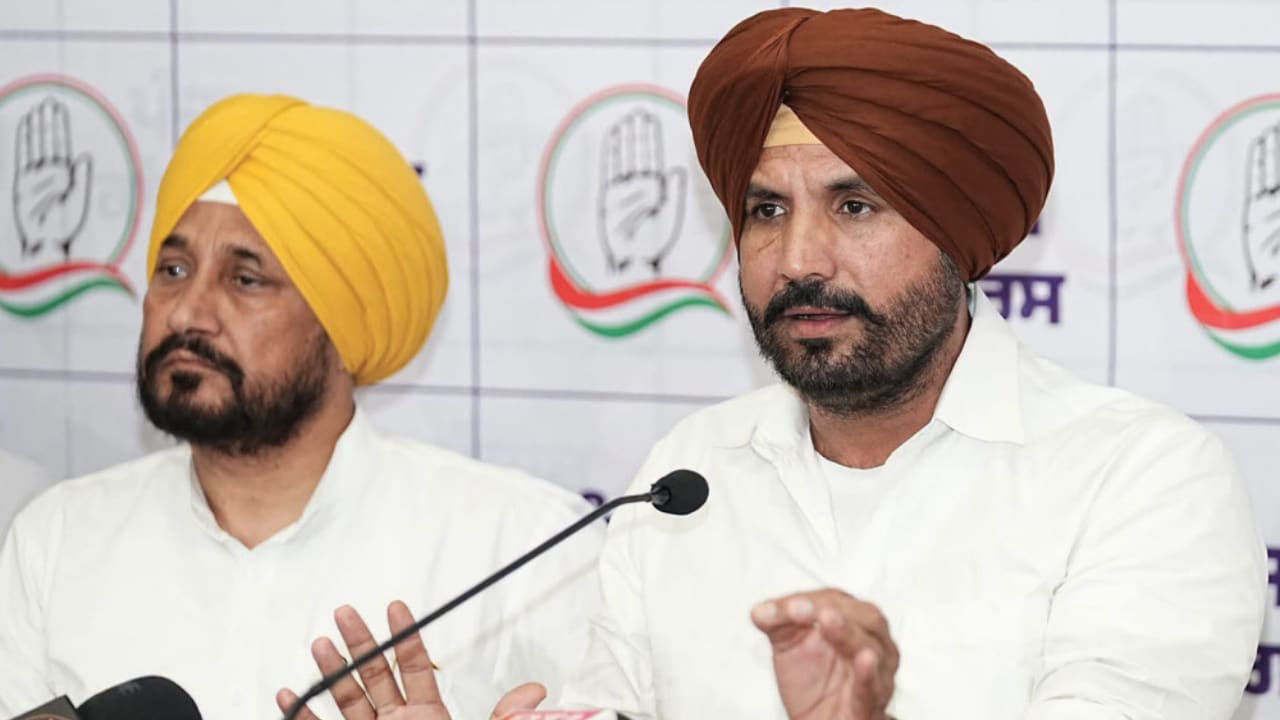
The Punjab Pradesh Congress Committee is facing a leadership crisis as former Chief Minister Charanjit Singh Channi leads a revolt against the current party president. Unlike previous instances of internal strife, the central Congress leadership is reportedly resisting 'pressure politics' to maintain a stable organizational structure and regain lost ground in the state.
The Internal Fracture: Analyzing the Channi-Warring Conflict in Punjab Congress
The Punjab Pradesh Congress Committee (PPCC) is currently navigating a volatile period of internal instability, characterized by a high-stakes power struggle between former Chief Minister Charanjit Singh Channi and the current party president. This conflict is not merely a clash of personalities but a symptomatic manifestation of the deeper structural fractures that have plagued the party in Punjab for several years. The emergence of an open revolt by Channi against the state leadership signals a critical juncture for the party as it attempts to redefine its presence in a state where its influence has waned significantly.
The Mechanics of 'Pressure Politics'
At the heart of this dispute is the concept of "pressure politics," a recurring theme in Punjab's political history. Historically, factional leaders within the Congress party have utilized their local influence and the threat of mass defections to force the central leadership in New Delhi to make concessions, often resulting in the removal of state presidents or the shuffling of key portfolios. In the current scenario, the revolt led by Charanjit Singh Channi appears to be an attempt to leverage internal dissent to shift the party's leadership trajectory. However, the provided context indicates a significant departure from past behavior: the central leadership is now remaining firm, refusing to succumb to these tactical pressures to avoid the perception of instability.
Historical Context and the Cost of Division
To understand the gravity of this conflict, one must look at the historical trajectory of Congress in Punjab. The party has previously suffered devastating losses due to public and internal disputes, most notably the rift between the central leadership and former CM Captain Amarinder Singh. Those previous episodes of infighting created a vacuum that allowed competitors, such as the Aam Aadmi Party (AAP), to capture the imagination of the electorate. The current struggle between Channi and Warring is an echo of these past failures, suggesting that the party is still struggling to transition from a collection of powerful fiefdoms to a unified political machine.
Strategic Implications for Political Recovery
The stakes for the Congress party are exceptionally high. Managing these internal divisions is no longer just about administrative harmony; it is a prerequisite for political survival. In a political landscape where voters are increasingly fatigued by internal bickering, the party's ability to project a unified front is essential for regaining ground. If the leadership successfully resists the current revolt without causing a total collapse of the state unit, it could signal a new era of disciplined governance within the party. Conversely, if the rift widens, it may lead to further fragmentation, making it nearly impossible to challenge the incumbent power structure in the next electoral cycle.
Future Trends and Predictions
Looking ahead, the resolution of the Channi-Warring conflict will likely set a precedent for how the Congress party handles dissent across other states. If the central leadership maintains its resolve, it may discourage other regional leaders from using internal revolts as a tool for leverage. However, the long-term success of this approach depends on whether the current leadership can provide a viable alternative vision for Punjab that transcends individual egos. We can expect a period of intense negotiation behind the scenes, but the public stance of the party will likely remain rigid to project strength and stability.
Conclusion
The ongoing turmoil within the Punjab Congress represents a pivotal battle between old-school factionalism and a new attempt at organizational discipline. While Charanjit Singh Channi's revolt highlights the lingering tensions within the party, the central leadership's refusal to give in to pressure politics marks a strategic shift. The party's ability to navigate this crisis without further alienating its base will determine whether it can once again become a dominant force in Punjab politics or remain a fragmented entity on the sidelines.