Workplace equality has to be built, not announced: Charu Sinha
Source Entity
India Latest News: Top National Headlines Today & Breaking News | The Hindu
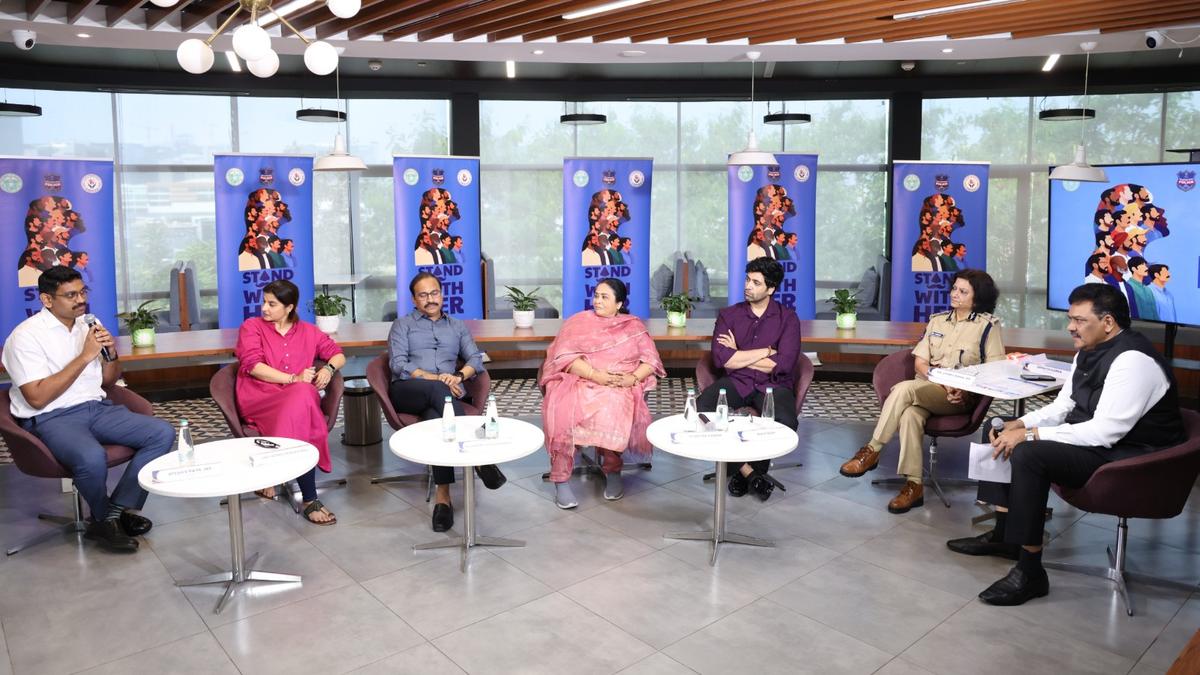
DG Charu Sinha emphasizes that workplace equality requires active systemic reform rather than mere declarations. The #StandWithHer panel highlighted the necessity of addressing subtle exclusion to foster genuine inclusivity for women.
The Architecture of Workplace Equality
DG (CID, ACB & WSW) Charu Sinha recently articulated a profound shift in how organizational equality is perceived, arguing that it cannot be merely announced but must be meticulously built. Speaking at the seventh edition of the #StandWithHer panel discussion in Hyderabad, Sinha underscored that true inclusivity requires identifying and dismantling inequalities deeply embedded within the everyday systems and practices of an organization. Her perspective moves the conversation beyond surface-level corporate policy and into the granular reality of operational culture.
Identifying Subtle Exclusion
Sinha highlighted that workplace exclusion is rarely overt in modern environments; instead, it manifests in subtle, often invisible forms. By bringing attention to these nuanced barriers, she suggests that leadership can begin to amplify women’s voices effectively. The discussion at WeHub, hosted at Dr. B.R. Ambedkar Open University, served as a platform to move from theoretical equality to practical application, stressing that leadership must proactively seek out where bias hides in daily workflows and decision-making processes.
A Multidisciplinary Approach
The panel, titled ‘Inclusive Workspaces — Everyday Fairness, Respect & Voice: Women Leadership and Remuneration’, brought together a diverse group of stakeholders, including leaders from public administration, cinema, media, entrepreneurship, and the creative industries. This cross-sector representation is essential because the barriers to equality often share common threads across disparate professional fields. By comparing experiences, the panel highlighted that the struggle for equitable remuneration and respect is a universal challenge that transcends specific job descriptions.
Historical Context and Personal Narrative
Adding a layer of lived experience, choreographer Pony Verma Prakashraj shared her journey as a woman competing in a male-dominated field. Her narrative provided a practical example of the 'subtle exclusion' mentioned by Sinha. When women are the sole representatives in their professional circles, the burden of representation is heavy, and the systemic hurdles regarding respect and recognition become significantly more pronounced. Her presence at the panel reinforced the need for structural support systems that allow women to thrive without having to navigate these biases alone.
The Path Forward
The implications of this discussion are clear: organizations must pivot from passive diversity initiatives to active, audit-based structural changes. Future trends in workplace management will likely focus on 'everyday fairness'—the small, incremental adjustments to meeting cultures, hiring practices, and compensation transparency that ensure long-term equity. As Sinha suggests, the goal is to build a foundation where inclusivity is a default setting rather than an occasional, announced project. By focusing on visibility and systemic reform, leaders can create environments that are genuinely equitable for all.
Verification Required?