4 Coaches Of Chauri Chaura Express Derail In Kanpur, No Casualties Reported
Source Entity
NDTV News Search Records Found 1000
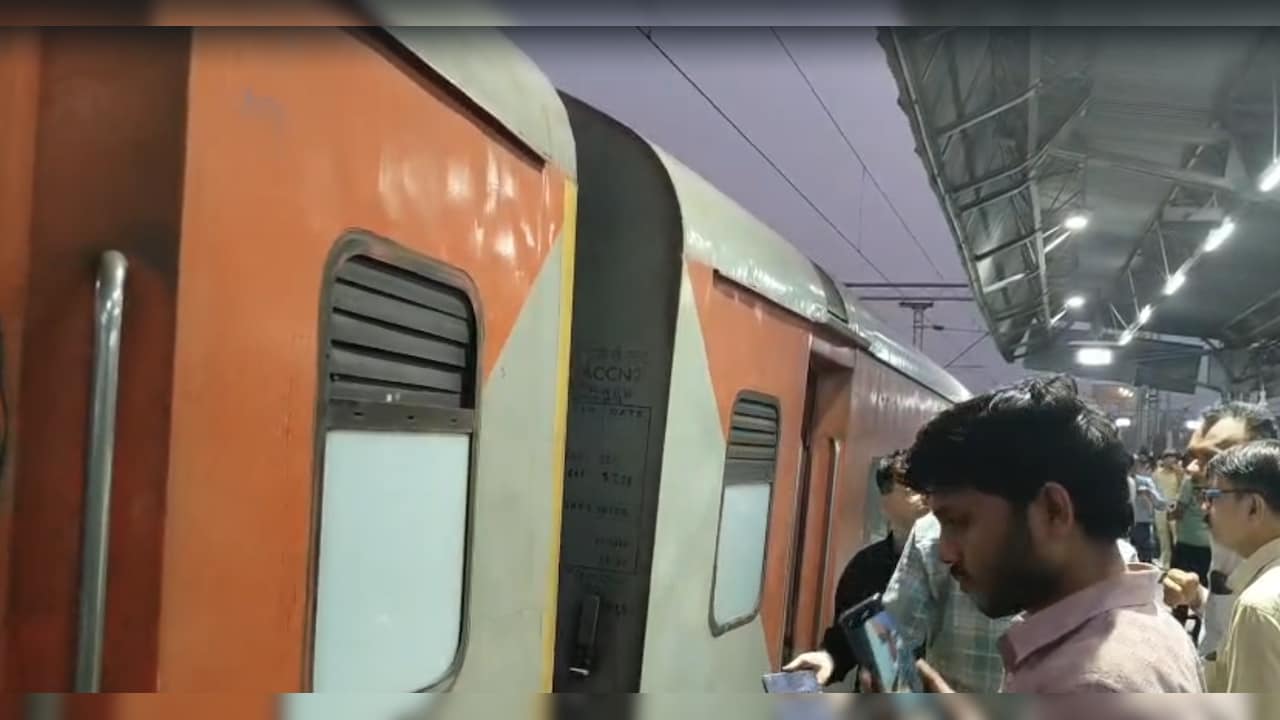
Four coaches of the Chauri Chaura Express derailed near Kanpur Central station on Wednesday, with no casualties reported among the 300 passengers on board. This incident occurred shortly after another derailment involving the Kolkata-Sairang Express in Assam, marking a concerning day for Indian railway safety.
Analysis of the Chauri Chaura Express Derailment in Kanpur
On November 11, 2026, the Indian railway network experienced a significant operational disruption when four coaches of the Gorakhpur-bound Chauri Chaura Express (Train No. 15003) derailed shortly after departing from Kanpur Central station. The incident, which involved coaches B4, B5, B6, and B7, occurred at approximately 5:05 p.m., just two minutes after the train left platform number 7. While the sight of derailed coaches often triggers immediate alarm, authorities have confirmed that there were no injuries or fatalities among the approximately 300 passengers traveling in the affected carriages.
Contextualizing the Incident
Railway officials, including the Commissioner of Police Raghubir Lal, confirmed that while one trolley from each of the four derailed coaches came off the tracks, the structural integrity of the coaches held, preventing a more catastrophic outcome. The North Central Railway has initiated a preliminary assessment to determine the mechanical or track-related failures that led to this specific derailment. The fact that the train was moving slowly as it exited the station likely contributed to the absence of casualties.
A Broader Pattern of Concern
The Kanpur incident was not an isolated event. Earlier on the same day, a separate derailment occurred involving the Kolkata-Sairang Express near Digaru station in Assam, where five coaches and the engine left the tracks. The occurrence of two separate derailments within a single day highlights systemic vulnerabilities in the rail infrastructure. These back-to-back incidents inevitably draw attention to the current state of track maintenance, signaling systems, and the overall management of high-traffic rail corridors in India.
Safety Protocols and Operational Challenges
Indian Railways manages one of the largest networks in the world, moving millions of passengers daily. When incidents like the Kanpur derailment occur, the immediate focus is on passenger evacuation and the restoration of normalcy. With 300 passengers affected by the Chauri Chaura incident, the rapid response of local police and railway personnel was critical in managing the situation and preventing panic. Such events necessitate rigorous post-accident investigations to identify whether these incidents were caused by track fatigue, human error, or equipment failure.
Future Implications for Rail Safety
As the Indian government continues to invest in modernizing the rail network, including the introduction of high-speed trains and upgraded infrastructure, the frequency of such derailments remains a key metric for public trust. Future trends will likely see an increased emphasis on automated track monitoring systems and real-time sensor technology to detect track displacement before a train passes over a compromised section. Ensuring the safety of the millions who rely on the Chauri Chaura Express and similar long-distance routes remains a paramount challenge for the Ministry of Railways.
Concluding Assessment
The successful outcome—zero casualties—in both the Kanpur and Assam incidents is a relief, but the repetition of such events within a 24-hour window serves as a stark reminder of the complexities involved in maintaining aging infrastructure. Moving forward, the focus must shift from reactive crisis management to proactive, technology-driven maintenance schedules to ensure the resilience of the nation’s rail backbone.
Multiple Citing Sources
Verification Required?