Pirates allegedly hijack chemical tanker Asana in Gulf of Aden off Yemen
Source Entity
VIJAYA SRIVASTAVA
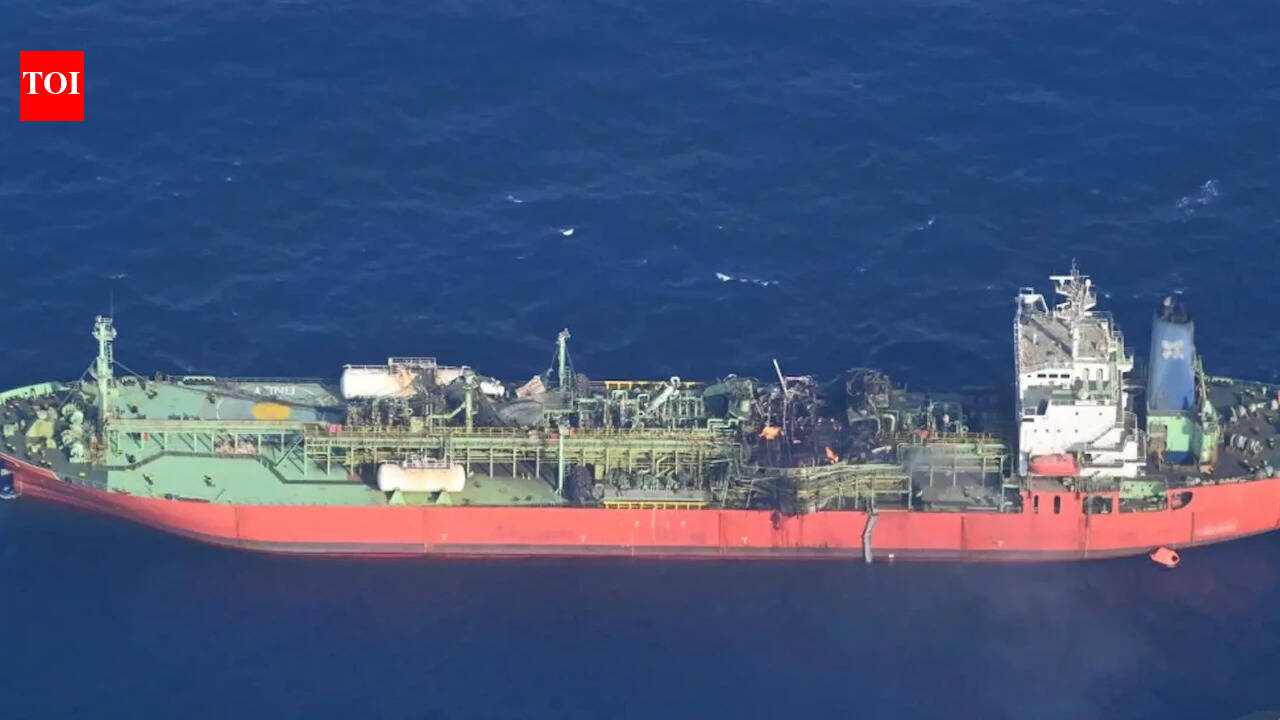
The chemical tanker Asana was reportedly hijacked by armed assailants while transiting the Gulf of Aden near Yemen. This incident occurs amidst heightened regional tensions, including reported threats by Iranian-backed forces to disrupt critical Red Sea shipping routes.
Maritime Security Crisis in the Gulf of Aden
The Hijacking of the Asana
Recent reports confirm that the chemical tanker Asana has been boarded by unauthorized personnel while transiting the Gulf of Aden. According to the United Kingdom Maritime Trade Operations (UKMTO), military authorities confirmed the boarding occurred approximately 65 nautical miles south of the Yemeni port of Al Mukalla. The vessel, which lacked a confirmed flag, was reportedly en route to the Somali port of Bosaso when it was seized by armed assailants, marking a significant escalation in maritime insecurity in one of the world’s most vital shipping corridors.
Strategic Geography and Vulnerability
The location of the hijacking—a critical transit point off the southern coast of Yemen—highlights the persistent vulnerability of commercial shipping in the region. The Gulf of Aden serves as a primary artery for global trade, connecting the Red Sea to the Indian Ocean via the Bab el-Mandeb Strait. By targeting a chemical tanker, the assailants have not only endangered the crew but have also introduced potential environmental and economic risks associated with the cargo, further complicating the security landscape for international maritime operators.
Geopolitical Context and Escalating Tensions
This incident does not occur in a vacuum; it is deeply intertwined with the broader geopolitical instability involving Iranian influence and Yemeni-based Houthi militants. Recent reports indicate that Iran has requested that the Houthis prepare to close the Red Sea oil route should the United States strike Iranian power infrastructure. This linkage between regional military posturing and maritime disruption represents a potent threat to global energy supplies and indicates that commercial vessels are increasingly being treated as leverage in high-stakes diplomatic and military standoffs.
Broader Implications for Global Energy
The potential for the closure of the Red Sea route, as suggested by recent threats, poses a significant risk to global energy markets. The Red Sea is a major transit path for oil and natural gas shipments, and any sustained disruption or increase in piracy acts like the hijacking of the Asana will likely lead to surging insurance premiums for shipping companies and potential supply chain bottlenecks. The maritime industry now faces the daunting challenge of navigating these waters while managing the unpredictable behavior of non-state actors operating with potential state-level backing.
Future Trends and Security Outlook
Moving forward, the maritime security community must grapple with a dual-threat environment: traditional piracy and state-aligned hybrid warfare. The lack of a confirmed flag on the Asana complicates the diplomatic response, as flag states typically lead the legal and recovery efforts for hijacked vessels. If such incidents continue, international naval coalitions may be forced to increase their presence in the Gulf of Aden, potentially leading to further militarization of the region. Stakeholders in the global shipping industry should expect increased surveillance, revised risk assessments, and possible re-routing of vessels to avoid the volatile waters surrounding the Yemeni coast.