From celluloid to digital: the changing face of Chennai’s cinema industry
Source Entity
India Latest News: Top National Headlines Today & Breaking News | The Hindu
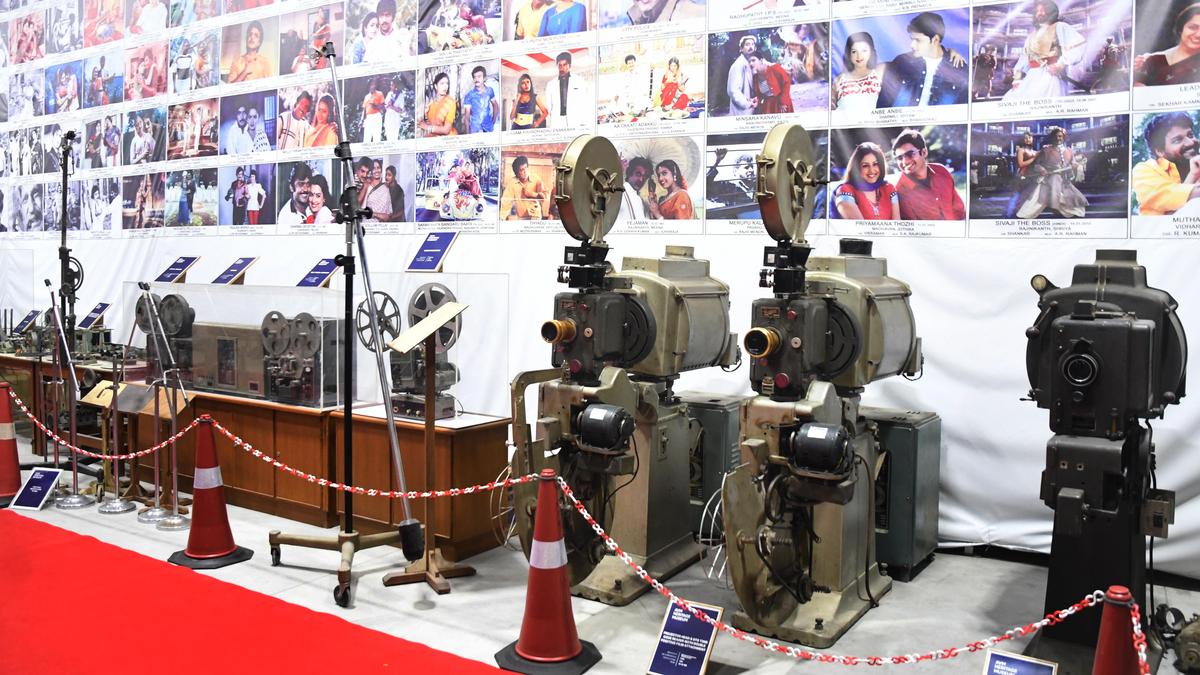
Chennai's cinema industry, centered in Kodambakkam, has evolved from 1940s celluloid roots to modern digital experiences. Iconic landmarks and theatres have shaped the city's cultural identity, reflecting broader urban transformations over 84 years.
The Evolution of Kollywood: A Journey from Celluloid to Digital
For over eight decades, the landscape of Chennai—historically known as Madras—has been inextricably linked to the growth of its cinema industry. Centered in Kodambakkam, often referred to as 'Kollywood,' this hub has undergone a radical transformation. In the 1940s, as depicted in the film En Manaivi, Kodambakkam was a quiet, rural outpost characterized by paddy fields, trees, and waterbodies. Today, that same area is a bustling urban epicenter, mirroring the rapid modernization that has defined the city’s development over the past 84 years.
The Technological Shift in Filmmaking
The transition from celluloid to digital has been the most significant technical shift in the history of Tamil cinema. The early days of filmmaking were marked by the expensive and labor-intensive process of shooting on celluloid, a medium that limited production scale and accessibility. The establishment of AVM Studios by A.V. Meiyappan on a former tannery site in Vadapalani serves as a testament to this era. As the industry embraced digital technology, the barrier to entry lowered, allowing for greater creative experimentation and the rise of the high-definition IMAX experiences that define contemporary movie-going in Chennai.
Landmarks as Cultural Signifiers
Filmmakers have long utilized Chennai’s urban geography to ground their narratives. Just as the Taj Mahal Palace defines Mumbai on screen, Chennai is consistently represented through specific architectural and geographical markers. Sites like the LIC Building, Anna Flyover, and Spencer Plaza have historically served as visual shorthand for the city’s 'modern' and 'capitalist' ambitions. Conversely, the beach—specifically Marina and Elliot’s Beach—has remained a perennial motif, representing the emotional core of romance and the fluidity of life in the city.
The Legacy of Single-Screen Theatres
The cultural history of Chennai is also etched in the rise and fall of its iconic cinema halls. Before the ubiquity of multiplexes, single-screen theaters were the social heartbeat of the city. Venues like the Udhayam Theatre Complex in Ashok Nagar were more than just buildings; they were cultural institutions that hosted the 'first-day-first-show' tradition, a phenomenon central to the fandom culture of Tamil cinema. Other landmarks, such as the Safire Theatre on Mount Road, represented the cosmopolitan pulse of a growing metropolis.
Urban Transformation and Memory
As Chennai celebrates its 387th anniversary, the disappearance of legendary venues like the Pilot Theatre and the National Theatre marks the end of an era. These spaces were not merely infrastructure; they were repositories of collective memory for generations of cinephiles. Their transition into commercial complexes or their complete erasure reflects the broader, often bittersweet, reality of urban renewal. While the city’s face has changed beyond recognition, the spirit of Tamil cinema persists, continuously adapting its tools and venues to meet the demands of a new digital age.
Multiple Citing Sources
Verification Required?