Dengue testing stepped up in Chennai, over 4,500 cases recorded this year
Source Entity
India Latest News: Top National Headlines Today & Breaking News | The Hindu
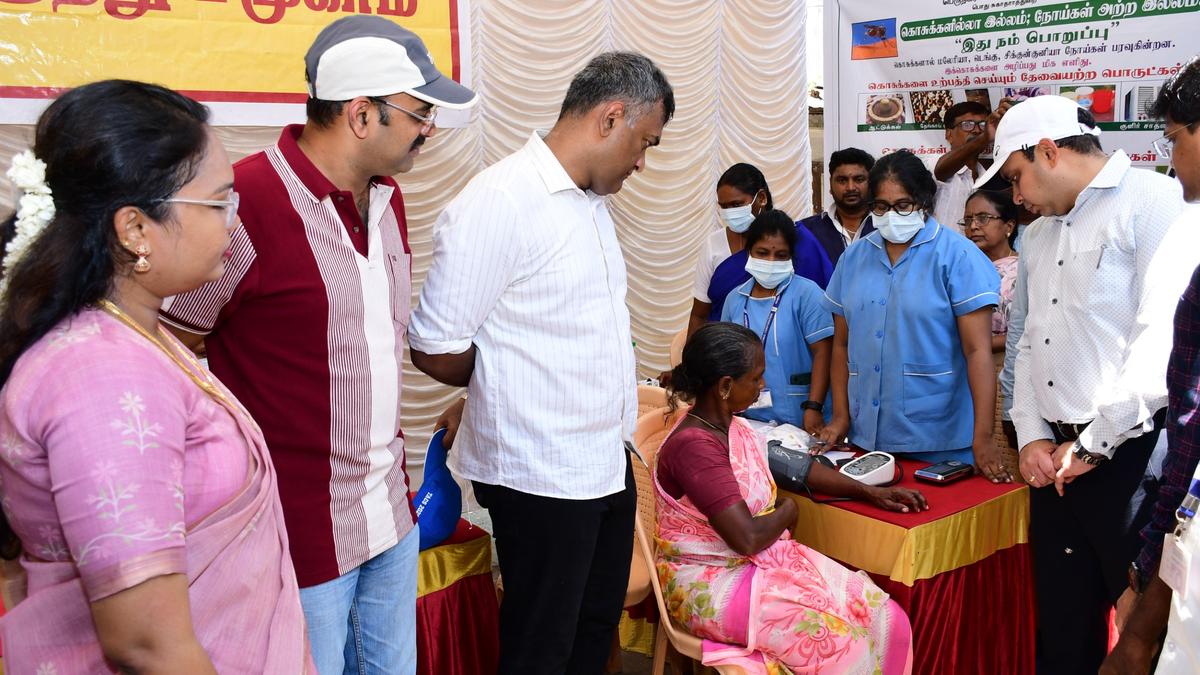
Chennai is intensifying its response to a dengue outbreak that has affected over 4,500 people this year. Authorities have mandated testing for all fever cases and deployed thousands of workers to curb mosquito breeding.
Chennai Intensifies Dengue Response Amid Rising Case Load
Current Situation and Official Directive
The Greater Chennai Corporation (GCC) is currently grappling with a significant surge in dengue cases, with the total count surpassing 4,500 for the year. In a proactive move to contain the spread, the Health and Family Welfare Department, led by Principal Secretary Darez Ahamed, has issued a mandatory directive to test every individual presenting with fever symptoms within the corporation's jurisdiction. This comprehensive screening approach is designed to ensure early detection and prompt clinical management, effectively mitigating the risk of severe complications.
Statistical Breakdown and Surveillance
Data provided by health officials indicates that the city has conducted over 16,000 tests to date, identifying 4,592 confirmed cases. The intensity of the outbreak is particularly visible in the recent monthly data, with September alone accounting for 1,293 cases. Despite the high volume of infections, health authorities have confirmed a crucial silver lining: there have been zero reported deaths related to dengue in the city, suggesting that the current medical infrastructure and triage protocols are successfully managing patient outcomes.
Strategic Mitigation Efforts
To combat the vector-borne threat, the GCC has mobilized a massive workforce of 3,703 mosquito eradication personnel. These teams are focused on identifying and neutralizing breeding grounds, a critical step in breaking the transmission cycle of the Aedes aegypti mosquito. Furthermore, the establishment of over 100 medical camps daily serves as the frontline of defense, bringing diagnostic services and basic care directly to the neighborhoods most affected by the outbreak.
Broader Public Health Implications
While Chennai is currently focusing on localized containment, the state-wide picture reflects a broader challenge, with approximately 20,000 cases reported across Tamil Nadu. The reliance on widespread testing as a public health tool underscores the government's strategy to normalize health surveillance during peak monsoon or post-monsoon periods. By integrating field-level eradication with clinical testing, the state aims to keep the mortality rate at zero while managing the logistical burden on hospitals.
Future Trends and Sustainability
Looking ahead, the success of these interventions will depend on sustained community cooperation and the longevity of the vector control programs. As climate patterns influence mosquito breeding cycles, the GCC's current model of high-frequency medical camps and intensive labor deployment provides a blueprint for managing seasonal outbreaks. Continued vigilance in Teynampet and other high-density zones remains essential to preventing the resurgence of the virus as the season progresses.
Verification Required?