Healing lesson from elite sport: Injuries need work, not full rest
Source Entity
Latest News: Todays Latest News Headlines from India & World | Hindustan Times | Hindustan Times
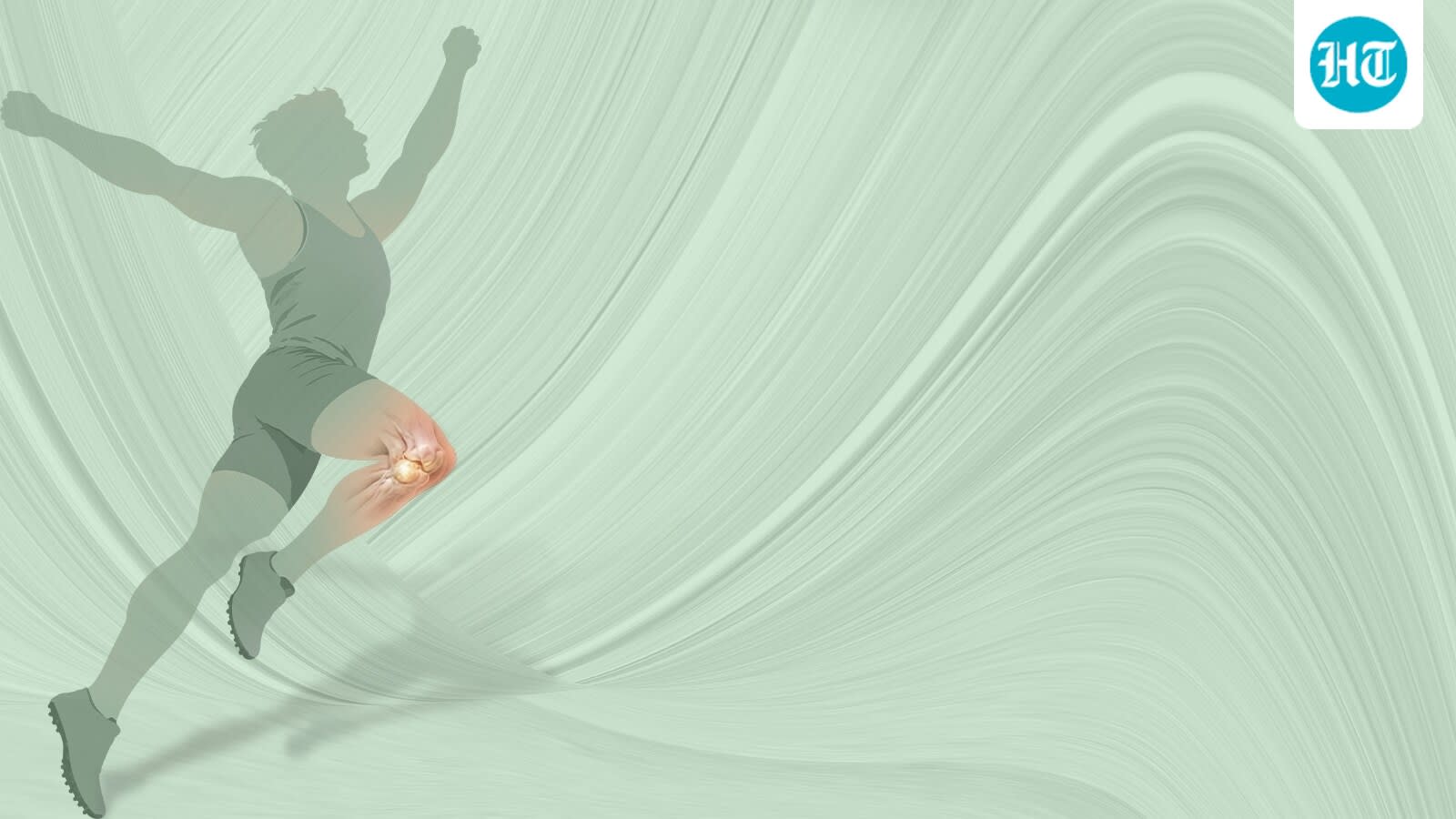
Modern sports science is shifting away from total rest for injuries, favoring controlled mechanical loading to stimulate healing. This approach acknowledges that tissues like tendons and bones require specific stimulus and adequate sleep to repair effectively.
The Shift in Recovery Paradigms: Active Healing in Elite Athletics
The traditional medical approach to injury—prescribing prolonged, total rest—is undergoing a significant paradigm shift. As evidenced by the recent surgical recovery of long jumper Murali Sreeshankar, who underwent a complex procedure involving three anchor screws and a wire to reattach a ruptured tendon, the path to rehabilitation is no longer defined by inactivity. Instead, modern sports science, championed by experts at the Inspire Institute of Sport, suggests that controlled mechanical loading is essential for long-term recovery.
The Physiology of Tissue Adaptation
Understanding why rest is no longer the gold standard requires a look at how human tissues respond to stimulus. Biological cells are highly reactive; tendon cells, for instance, register the 'pull' of physical exertion and respond by synthesizing collagen, the primary protein responsible for structural integrity. By aligning these new fibers along the direction of the stress, the body creates a more resilient repair. Similarly, bone cells respond to the micro-bending caused by impact by initiating osteogenesis, or the creation of new bone tissue.
The Hierarchy of Healing Timelines
Different tissues operate on distinct biological clocks, which complicates rehabilitation strategies. While muscles can show measurable hypertrophy within weeks of resistance training, bone remodeling cycles are significantly slower, typically requiring three to six months. Tendons represent the most challenging aspect of this recovery process. Due to their limited vascularity—meaning very little blood reaches the tissue—their capacity for repair is inherently slower than that of highly vascularized muscle tissue.
The Role of Sleep and Hormonal Regulation
Beyond mechanical stimulus, the body requires systemic support to execute these repairs. The synthesis of new fibers and the strengthening of tissue structures are heavily dependent on the body's internal environment during rest. Specifically, the release of growth hormone during sleep is a critical factor in facilitating deep tissue repair. This underscores that recovery is not merely the absence of activity, but a highly active metabolic state that must be managed with precision.
Implications for Future Rehabilitation
For decades, the standard advice to 'stop using the injured part' often led to atrophy and weakened tissue, which ironically increased the risk of re-injury. By integrating the insights from elite sports science, medical professionals are now designing protocols that allow for 'work' rather than 'rest.' This nuanced approach ensures that tissues are not just healed, but are progressively loaded to regain their pre-injury functional threshold.
Conclusion: A New Era of Sports Medicine
In summary, the journey of athletes like Murali Sreeshankar highlights a broader evolution in medical science. By recognizing that tendons and bones require specific, measured mechanical input to heal properly, we are moving toward a future where rehabilitation is synonymous with adaptation. This shift toward active, informed recovery ensures that athletes can return to peak performance with tissues that are better prepared to handle the rigors of elite competition.
Verification Required?