Why does urad dal cause gas and bloating?
Source Entity
The Indian Express
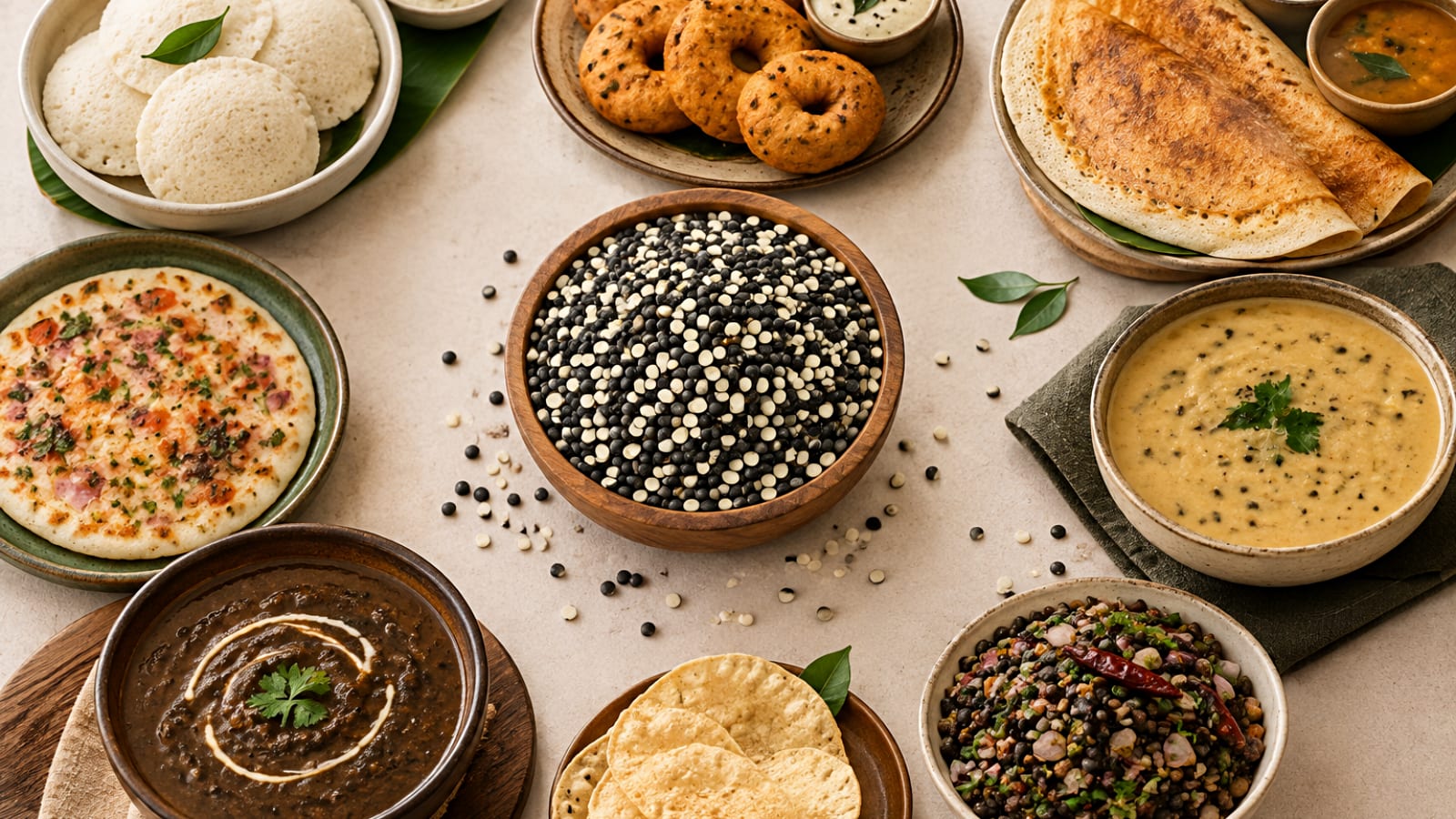
Urad dal is a dietary staple that often causes bloating and gas due to its high content of complex sugars like raffinose and stachyose. These sugars are difficult for the human body to digest because it lacks the necessary enzymes to break them down before they reach the gut bacteria.
Understanding the Digestive Impact of Urad Dal
Urad dal holds a central position in the culinary landscape of India, serving as a primary ingredient in iconic dishes such as dal makhani, idli, and dosa. Despite its widespread popularity and nutritional profile, many individuals report experiencing significant digestive discomfort—specifically bloating and gas—after consumption. Understanding the physiological reasons behind this reaction is essential for maintaining a healthy relationship with this traditional legume.
The Role of Complex Sugars
According to consultant dietician and diabetes educator Kanikka Malhotra, the primary culprits behind this discomfort are specific complex sugars known as raffinose and stachyose. These carbohydrates are members of the galacto-oligosaccharide family. Unlike simple sugars that are absorbed quickly in the small intestine, these complex molecules reach the large intestine largely intact because the human digestive system lacks the necessary alpha-galactosidase enzyme required to break them down effectively.
Fermentation and Gut Health
Once these undigested sugars reach the colon, they become a fuel source for the gut microbiome. As bacteria in the lower digestive tract ferment these sugars, they produce gaseous byproducts, including hydrogen, carbon dioxide, and methane. This process is the direct cause of the flatulence and abdominal distension often associated with eating urad dal, as the accumulation of these gases creates pressure and discomfort within the gastrointestinal tract.
Nutritional Context and Preparation
While the side effects can be unpleasant, it is important to note that urad dal remains a nutrient-dense food source. The challenge lies in balancing its protein and fiber benefits with its digestive drawbacks. Traditional preparation methods, such as soaking the dal for extended periods or cooking it with digestive aids like ginger, asafoetida (hing), and cumin, have historically been used to mitigate these effects by partially breaking down the complex sugars before ingestion.
Broader Implications for Diet
For individuals who experience chronic discomfort, the issue may not necessarily warrant a complete removal of urad dal from the diet. Instead, it suggests a need for mindful consumption. Adjusting portion sizes, ensuring proper preparation techniques, or consulting with a healthcare professional to identify underlying sensitivities can help individuals continue to enjoy these staple foods without the associated bloating. As with all dietary modifications, expert guidance should be sought before making significant changes to one's nutritional routine.