Chennai Grand Masters: Gukesh held to a draw by Nihal Sarin in opening game
Source Entity
Amit Kamath
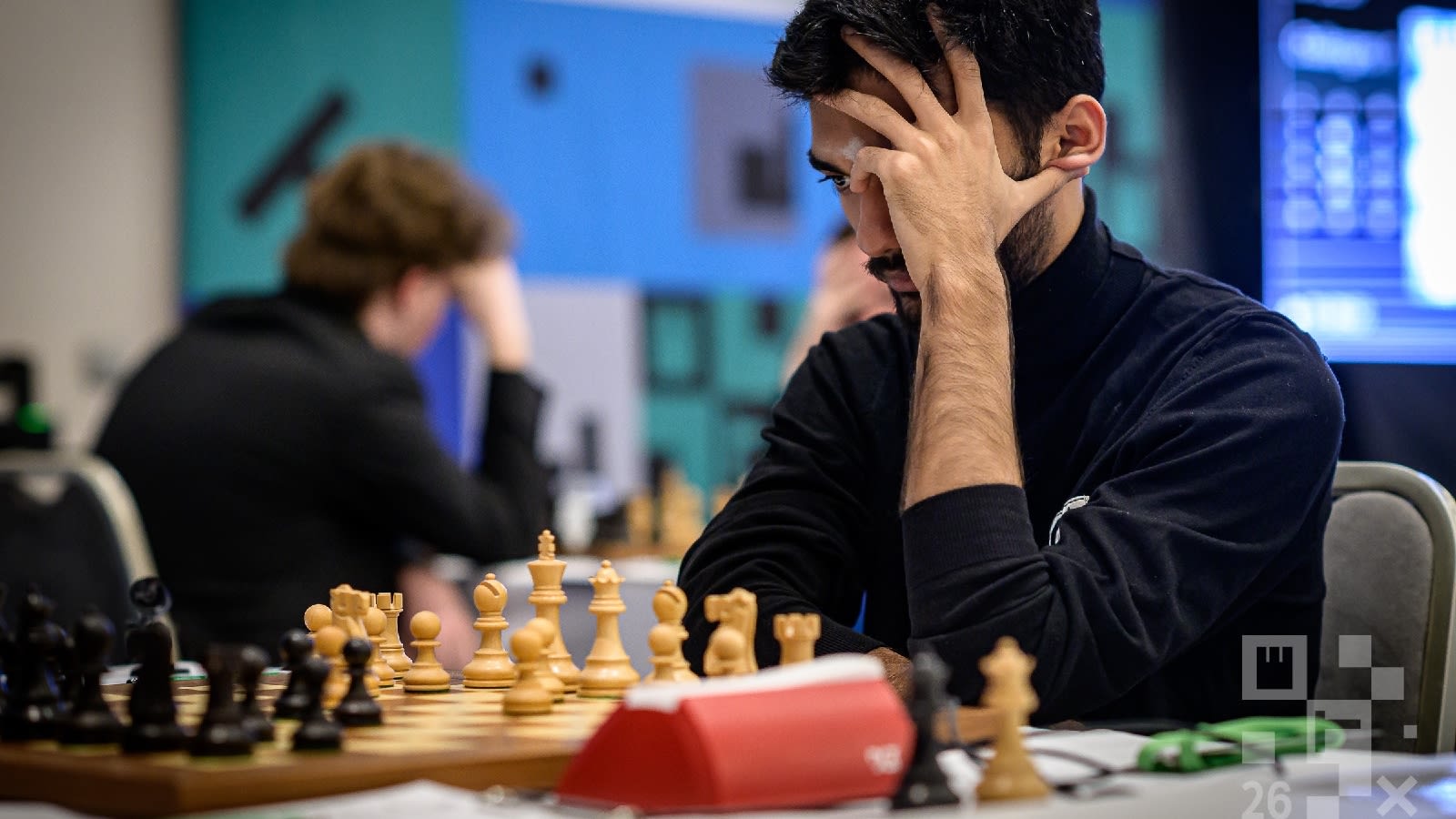
In the opening game of the Chennai Grand Masters, Indian grandmasters Gukesh D and Nihal Sarin played to a draw. A key moment occurred on the 17th move, where Gukesh spent 20 minutes and saw his position slip slightly according to engine evaluations.
Analysis of the Chennai Grand Masters: Gukesh vs. Nihal Sarin
Opening Salvos and Tactical Tension
The Chennai Grand Masters serves as a premier stage for global chess talent, and the opening encounter between Gukesh D and Nihal Sarin lived up to the anticipation. As two of India's most formidable grandmasters, their clash was not merely a game for points but a high-stakes battle of psychological endurance and tactical precision. The resulting draw reflects the extreme level of preparation both players brought to the board, showcasing a parity in skill that often characterizes matchups between elite peers.
The Critical 17th Move
A defining moment of the match occurred during Gukesh's 17th move, where he spent a substantial 20 minutes in deep calculation. In grandmaster chess, such a significant time investment usually signals a critical juncture where a single misstep could lead to a collapse. The report notes that Gukesh "fell behind by 40," a term that in the context of modern chess analysis refers to centipawns on an engine evaluation (approximately -0.40). While this is not a decisive disadvantage, it indicates that Nihal Sarin successfully seized a slight positional edge, forcing Gukesh to expend precious time and mental energy to stabilize the position.
The Psychology of the Draw
The dynamic between Gukesh and Sarin highlights the mental warfare inherent in top-tier chess. Nihal Sarin, renowned for his exceptional calculating speed, was able to maintain pressure, forcing Gukesh into a defensive posture during the mid-game. The fact that Gukesh was able to salvage a draw after the 17th-move struggle demonstrates his resilience and defensive accuracy. For both players, a draw in the opening round is a safe start, preventing an early psychological blow while they calibrate their strategies for the remainder of the tournament.
Tournament Trends: A Day of Draws
The mention of a "day of draws" suggests a broader trend within the Chennai Grand Masters. Often, the initial rounds of such prestigious tournaments are marked by caution, as players prioritize stability and avoid early-game risks that could jeopardize their overall standing. The presence of world-class competitors like the French-Iranian grandmaster Alireza Firouzja further elevates the stakes, as the field is packed with players capable of punishing even the slightest inaccuracy.
The Evolution of Indian Chess
This matchup is a testament to the current golden era of Indian chess. The ability of Sarin to hold Gukesh—one of the world's most aggressive and high-ranking young talents—to a draw underscores the incredible depth of talent within India. The narrow gap in performance between these two grandmasters reflects a systemic rise in Indian chess training and competitiveness, positioning the nation as a dominant force in the international arena.
Strategic Implications Moving Forward
Looking ahead, this opening result will force both Gukesh and Sarin to seek more decisive outcomes in subsequent rounds to climb the leaderboard. Gukesh will likely analyze the time management issues surrounding his 17th move to ensure more fluid play in future games. Meanwhile, Sarin will enter his next match with the confidence of having put one of the tournament's favorites under significant pressure.
Conclusion
In summary, the opening game between Gukesh D and Nihal Sarin was a sophisticated display of high-level chess. While Gukesh faced a momentary tactical hurdle, the game ultimately ended in a stalemate that reflects the competitive equilibrium of the tournament's top seeds. As the Chennai Grand Masters progresses, the ability to break these draws will be the deciding factor in determining the eventual champion.