PV Sindhu’s Han Yue decimation previews a 15-point format built for her
Source Entity
Shivani Naik
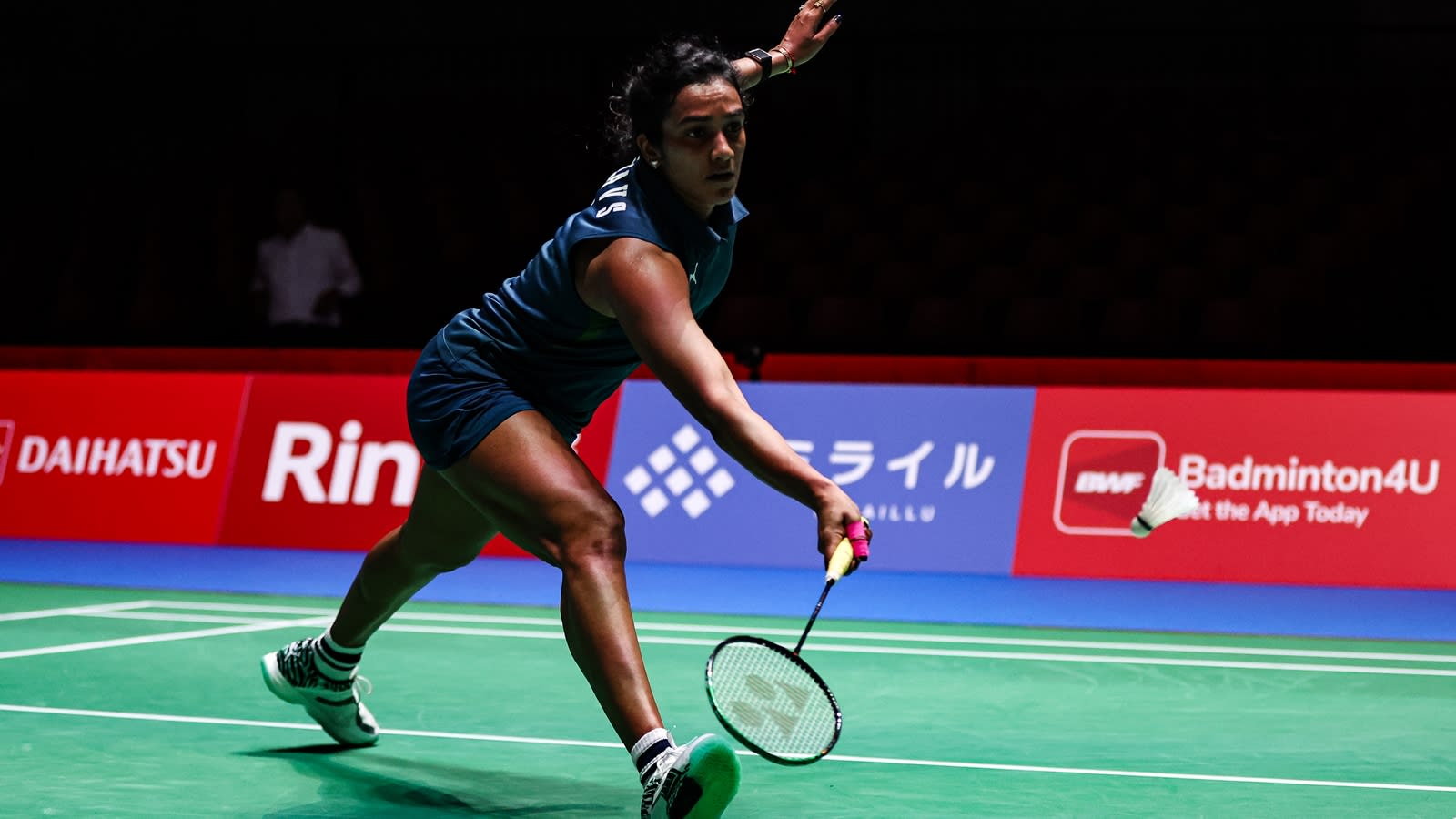
PV Sindhu's dominant performance against Han Yue at the Japan Open highlights the potential impact of the upcoming 15-point badminton format, which is expected to suit Sindhu's aggressive playing style and physicality.
The Dawn of a New Era: PV Sindhu and the 15-Point Revolution
PV Sindhu's recent clinical dismantling of China's fifth seed, Han Yue, at the Super 750 Japan Open was more than just a tactical victory; it served as a vivid proof-of-concept for the sport's impending structural shift. While the match was played under the current scoring system, the narrative surrounding her dominance has pivoted toward the 'format of the future.' The Badminton World Federation (BWF) is preparing to roll out a 15x3 scoring system next season, and Sindhu's ability to overwhelm opponents quickly suggests that this shortened, high-intensity format is tailor-made for her specific brand of badminton.
Analyzing the 'Decimation' of Han Yue
The sheer efficiency with which Sindhu handled Han Yue underscores a shift in her current form. By dominating the rallies and maintaining a high tempo, Sindhu demonstrated that she can dictate the pace of a game from the first serve. The hypothetical scoreline mentioned—15-11, 15-7—illustrates how a 15-point format would reward players who can establish early dominance and maintain a relentless offensive pressure. For a player of Sindhu's stature and reach, the ability to close out games faster reduces the opportunity for opponents to mount a comeback through attrition, effectively amplifying her power game.
Understanding the 15x3 Format and Its Implications
For decades, badminton has evolved its scoring to increase spectator engagement and broadcast predictability. The move from the traditional side-out system to the 21-point rally system was a landmark change; however, the proposed 15x3 format (best of three games to 15 points) represents an even more radical shift. This change is primarily driven by the need to make matches more 'television-friendly' by reducing the duration of individual games while increasing the volatility and excitement of every single point. In a 15-point game, the margin for error shrinks significantly, placing a premium on explosive starts and mental fortitude.
Why the New Format Favors PV Sindhu
PV Sindhu's game is built on a foundation of immense physical strength, steep smashes, and exceptional court coverage. In a longer 21-point game, the physical toll can sometimes lead to late-game fatigue or tactical stagnation. However, a 15-point sprint favors athletes who can maintain peak intensity for shorter bursts. Sindhu’s ability to utilize her height and power to win points quickly means she can exert maximum pressure without the risk of a physical dip. Furthermore, her mental toughness in high-pressure situations will be a critical asset when every single point carries more weight relative to the total game score.
Historical Context and Future Trends in Badminton
Historically, scoring changes in badminton have always sought to balance the athletic demands of the players with the commercial demands of the sport. The transition to the 15-point system suggests a broader trend toward 'gamification' and fast-paced consumption of sports content. As we look toward next season, we can expect a tactical evolution across the circuit. Players who rely on a defensive, grinding style may find themselves disadvantaged, while aggressive, attacking players like Sindhu will likely see their win rates climb as the format rewards aggression over endurance.
Conclusion: A Strategic Advantage
In summary, PV Sindhu's victory at the Japan Open is a harbinger of how the professional circuit may shift. By blending her existing power with the requirements of a faster, more volatile scoring system, Sindhu is positioned to reclaim her dominance on the world stage. The 15-point format is not merely a rule change; it is a strategic pivot that could redefine the hierarchy of women's singles badminton, placing those with explosive capabilities at the forefront of the sport.