Feeling gutted? Five ways to cope with England's World Cup defeat
Source Entity
BBC News
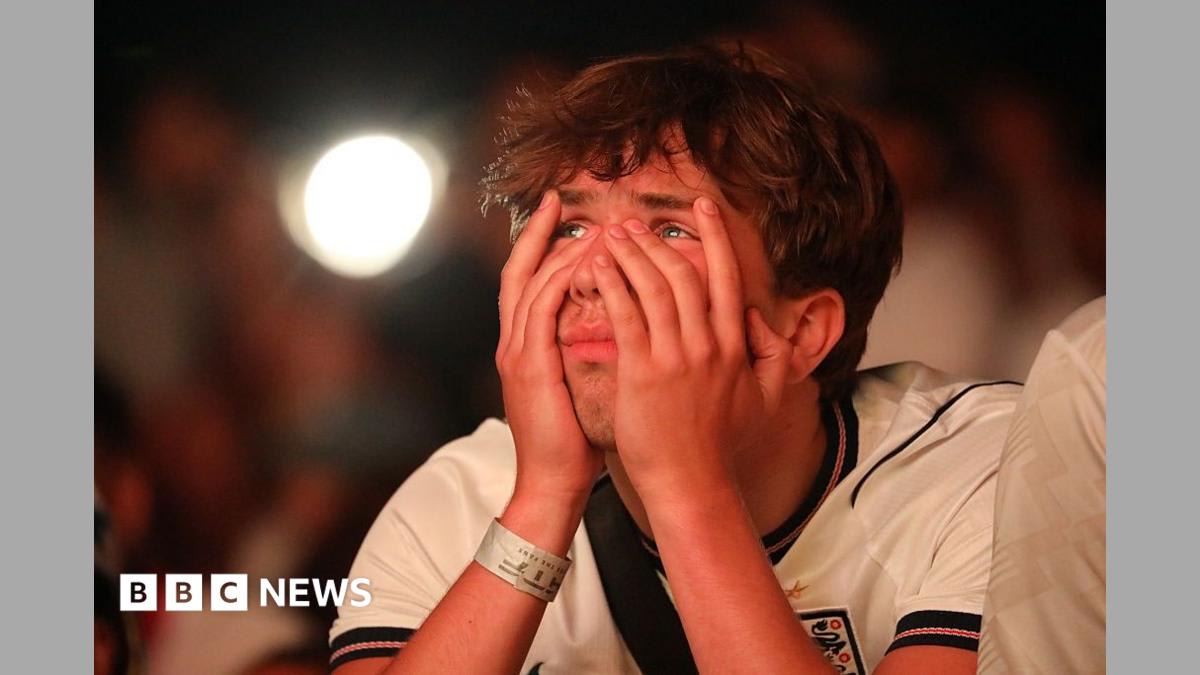
Following England's World Cup defeat, sports psychologists and fans are sharing strategies to help supporters manage the emotional distress and disappointment associated with the loss.
Navigating the Emotional Aftermath of National Sporting Failure
The emotional toll of a national team's failure in a global tournament often extends far beyond the boundaries of the playing field. When England suffers a World Cup defeat, the collective sentiment is frequently described as being "gutted"—a term that encapsulates a profound sense of loss, frustration, and national mourning. This reaction is not merely about a game; it is a reflection of the deep-seated identity and hope that millions of supporters invest in their national representatives. The provided reports focus on the necessity of coping mechanisms to navigate this psychological slump.
The Psychology of Sporting Disappointment
To understand why fans feel such intense distress, one must look at Social Identity Theory. For many English supporters, the national team serves as a primary source of social belonging and pride. When the team fails, it is perceived not just as a sporting loss, but as a blow to the collective ego. This leads to a period of mourning where fans experience genuine grief. The expert tips mentioned in the report likely address the need to validate these feelings rather than suppressing them, acknowledging that the emotional investment in sports is a legitimate human experience.
Analyzing the Coping Strategies
While the specific "five ways" are summarized as expert tips, they generally align with established psychological recovery models. These typically include:
- Social Validation: Sharing the disappointment with fellow fans to normalize the feeling.
- Cognitive Reframing: Shifting the focus from the final result to the highlights of the tournament.
- Physical Activity: Using exercise to process the cortisol and adrenaline spikes associated with high-stress matches.
- Digital Detox: Stepping away from social media to avoid the "echo chamber" of negativity and criticism.
- Perspective Setting: Remembering that sport is a leisure activity, though this is often the hardest step for the most passionate supporters.
Historical Context of English Sporting Narratives
England's relationship with the World Cup is historically fraught with a narrative of "near misses" and "heartbreak." Whether in football or cricket, the English sporting psyche is often defined by a cycle of immense anticipation followed by sudden collapse. This historical pattern creates a unique form of trauma for the fan base, where the fear of defeat is often as potent as the hope for victory. Consequently, the need for coping strategies becomes a recurring necessity in the English cultural calendar, turning the act of "bouncing back" into a national ritual in itself.
Broader Societal Implications
Beyond the individual, such defeats often spark intense national discourse regarding performance, management, and systemic failures within the sport's governing bodies. The "gutted" feeling often transitions from sadness into a critical analysis of the team's strategy. This phase of the coping process is crucial as it transforms raw emotion into a catalyst for change, often leading to demands for new coaching philosophies or structural reforms in how the national team is developed. The social bonding that occurs during the shared mourning process can also strengthen community ties among supporters.
Future Trends in Fan Wellness
As sports become increasingly commercialized and the pressure on athletes and fans intensifies, we are likely to see a rise in the integration of mental health resources within sporting organizations. The fact that experts are now providing "coping tips" for fans suggests a shift toward recognizing the psychological impact of sports fandom. In the future, we may see official "fan wellness" guides issued by national teams to help supporters manage the volatility of tournament cycles, ensuring that the passion for the game remains healthy and sustainable.
Conclusion
England's World Cup defeat serves as a poignant reminder of the powerful intersection between sports and human emotion. By implementing structured coping mechanisms—ranging from social support to cognitive reframing—fans can transition from the immediate pain of loss to a state of reflective optimism. While the sting of defeat is inevitable, the process of recovery allows supporters to maintain their passion while safeguarding their mental well-being.