Chhath Puja 2026: An astrologer explains the spiritual meaning of offering Arghya at sunset and sunrise
Source Entity
Latest News: Todays Latest News Headlines from India & World | Hindustan Times
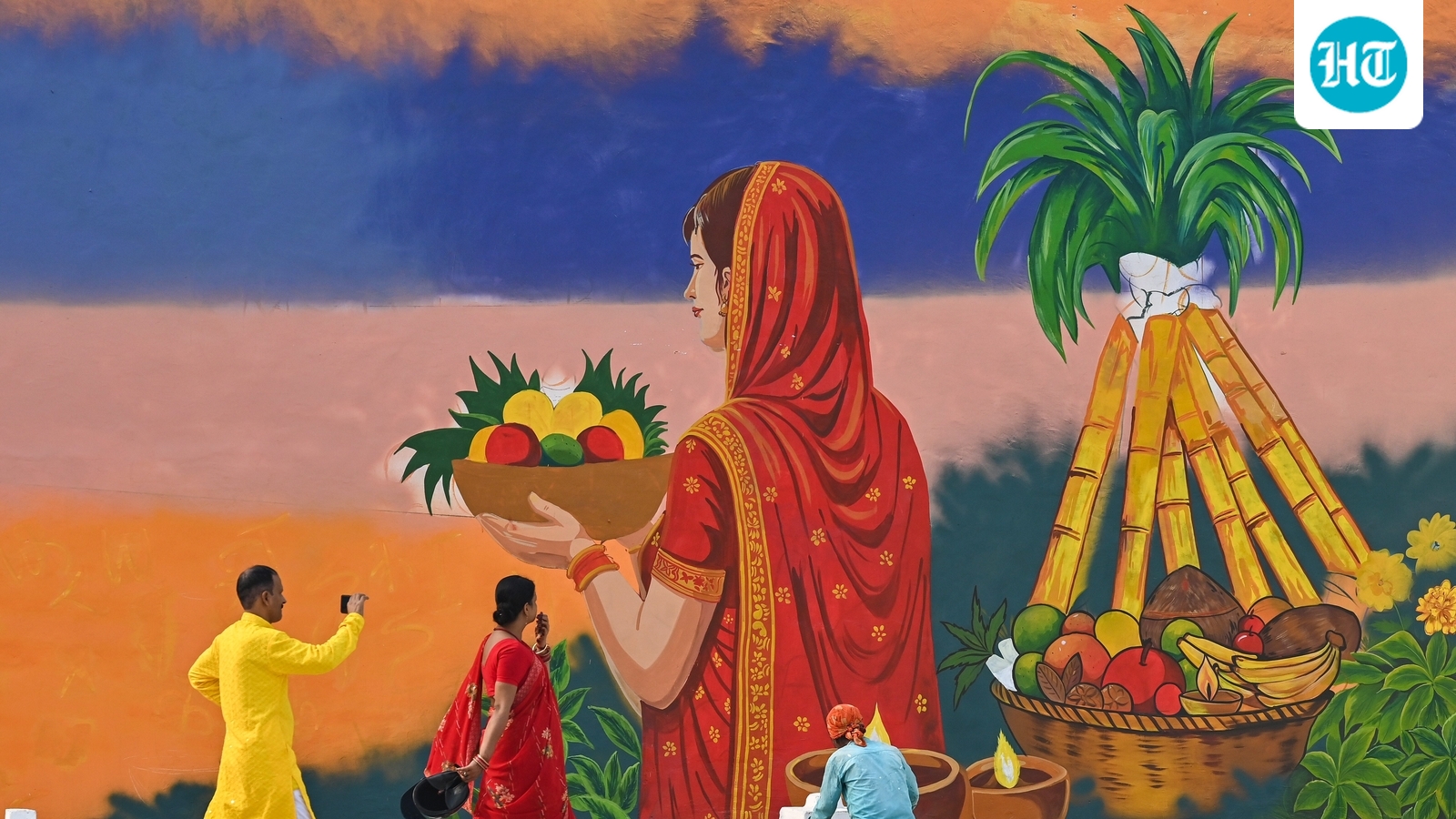
Chhath Puja 2026 is scheduled from November 13 to 16, marked by significant planetary alignments including Mars, Jupiter, and Ketu in Leo. The festival emphasizes gratitude and discipline through the traditional Sandhya and Usha Arghya rituals performed at sunset and sunrise.
Understanding the Spiritual and Astrological Significance of Chhath Puja 2026
Chhath Puja, one of the most revered festivals in the Indian subcontinent, is set to be observed from November 13 to November 16, 2026. This year's celebration carries profound weight, not only due to its cultural roots but also because of a rare convergence of celestial bodies. According to the Hindu calendar, Shashthi begins on November 14 at 11:23 PM IST and concludes on November 16 at 2:00 AM IST, framing the critical window for these ancient rites.
The Celestial Backdrop: A Unique Alignment
Astrological experts, including Prof. (Dr.) Jayanta Kumar Basu, have highlighted that Chhath Puja 2026 features a significant planetary grouping. Mars, Jupiter, and Ketu are converging in the sign of Leo during the four-day festival. In Vedic astrology, this specific alignment is believed to amplify themes of leadership, discipline, and humility. By grounding these cosmic movements in the context of the festival, practitioners find a deeper connection between the macrocosm of the stars and the microcosm of their personal devotion.
The Rituals of Arghya: Cycles of Gratitude
The core of Chhath Puja lies in the offerings known as Arghya, made to the Sun God. These are divided into two primary segments: the Sandhya Arghya, occurring at sunset on November 15, and the Usha Arghya, performed at sunrise on November 16. These rituals are symbolic of the cycle of life—the setting sun represents the acknowledgment of the day's end and the humility of closure, while the rising sun symbolizes hope, renewal, and the continuity of existence.
Astrological Guidance and Practical Observance
For those observing the fast, timing is of the essence. Prof. (Dr.) Basu notes that understanding the precise sunrise and sunset timings is vital for maintaining the sanctity of the rituals. Because the festival is deeply tied to the solar cycle, the shift in planetary energy this year serves as a call for devotees to focus on family traditions and spiritual discipline. The alignment in Leo, a fire sign, is seen as a catalyst for strengthening one's resolve and inner strength during the rigorous period of fasting.
Broader Implications and Future Trends
As the festival continues to gain global attention, the integration of astrological guidance helps modern practitioners navigate the complexities of traditional observance. The emphasis on gratitude and environmental connection—inherent in worshipping the Sun, the source of all life—remains a cornerstone of the festival's enduring appeal. Looking ahead, the focus remains on preserving these ancient practices while utilizing modern astronomical data to ensure that the timing of these sacred offerings remains accurate for future generations.
Conclusion
Chhath Puja 2026 serves as a powerful reminder of the intersection between faith, nature, and the cosmos. Whether observed for its spiritual significance or its astrological implications, the festival remains a testament to the enduring power of gratitude. As devotees prepare for the rituals from November 13 to 16, the alignment of Mars, Jupiter, and Ketu provides a unique spiritual backdrop, encouraging a period of profound reflection and communal harmony.
Multiple Citing Sources
Verification Required?