Landmark Crimea bridge hit as Russia reports biggest Ukrainian drone attack of war
Source Entity
BBC News
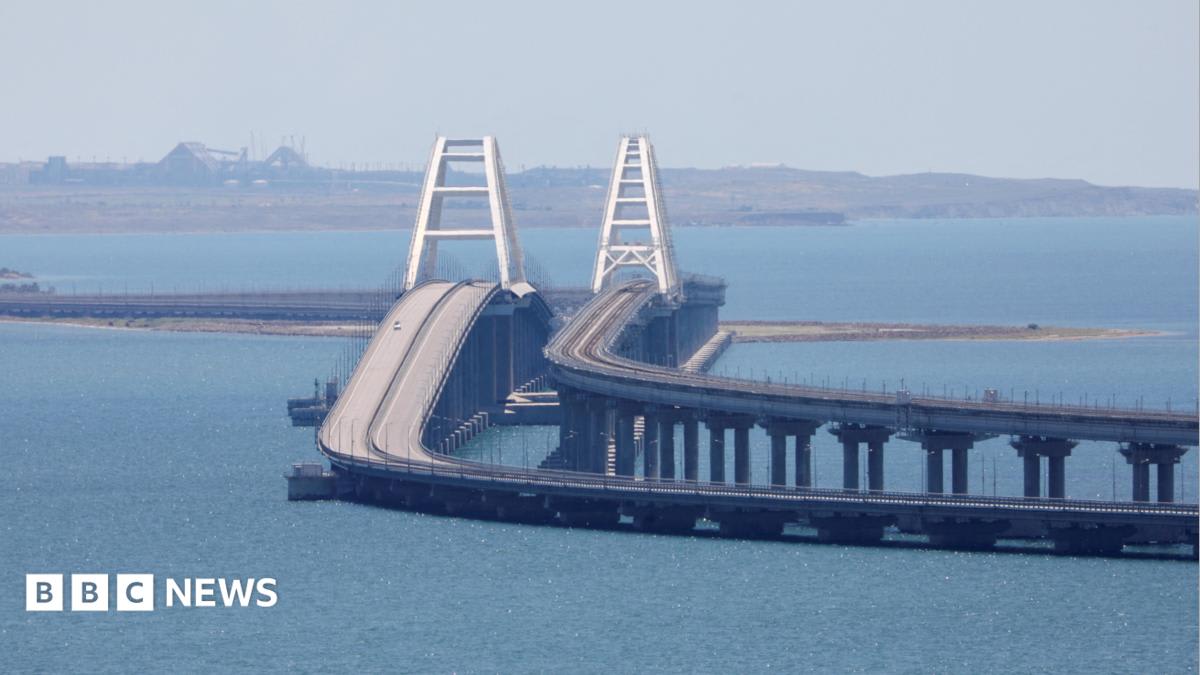
Russia reported its largest drone attack to date as Ukraine launched over 2,000 drones, damaging the Kerch Bridge and oil refineries. The escalation follows recent international peace talks and has triggered widespread air raid alerts and energy blackouts across Ukraine.
Escalation in the Ukraine-Russia Conflict: A New Frontier in Aerial Warfare
The Scale of the Offensive
The ongoing conflict in Ukraine has reached a dramatic new intensity with Russia reporting the largest Ukrainian drone attack since the full-scale invasion began in February 2022. According to Russian officials, the military intercepted and destroyed a staggering 2,049 drones and four Flamingo long-distance missiles within a 24-hour period. Moscow Mayor Sergey Sobyanin noted that roughly 600 of these drones were directed at the capital, marking a significant shift in the operational reach of Ukrainian forces.
Strategic Targets and Infrastructure Damage
A primary focus of this offensive was the landmark Kerch Strait bridge, a critical artery connecting the Russian mainland to occupied Crimea. While the Kremlin and the Russia-backed governor of Crimea confirmed the strike, they characterized the damage as minor, asserting that traffic remains unaffected. Beyond the bridge, the strikes also targeted several oil refineries, suggesting a concerted effort by Kyiv to disrupt the logistical and economic engines that fuel the Russian war machine.
Retaliation and Humanitarian Impact
In response to the surge in drone activity, Kyiv faced its own harrowing day, recording a record 17 air raid alerts. The Russian retaliatory strikes resulted in at least seven fatalities and dealt a severe blow to energy infrastructure, leaving 50,000 people without power. This cycle of strikes and counter-strikes underscores the precarious nature of the energy grid, which has become a primary theater of war, directly impacting the civilian population's ability to survive the conflict's harsh conditions.
The Diplomatic Paradox
This surge in kinetic activity occurs in a paradoxical environment, coming only days after high-level talks involving US, Ukrainian, and Russian envoys intended to explore avenues for ending the war. The timing suggests that while diplomatic channels remain open, both sides are aggressively attempting to secure tactical advantages on the ground. The juxtaposition of these peace-seeking discussions with the largest drone offensive of the war highlights the profound difficulty in achieving a ceasefire.
Broader Implications and Future Trends
The use of over 2,000 drones in a single day marks a technological evolution in this conflict, demonstrating the increasing reliance on low-cost, high-impact aerial systems. As both nations continue to refine their drone warfare capabilities, the ability to protect critical infrastructure like the Kerch Bridge and national energy grids will become increasingly difficult. Moving forward, the international community will be watching to see if these intensified strikes derail the fragile diplomatic momentum or if they serve as a final, desperate push for leverage before any potential settlement.