Throat slit in park, Chhattisgarh woman types last message that helps nab boyfriend
Source Entity
RASHMI DROLIA
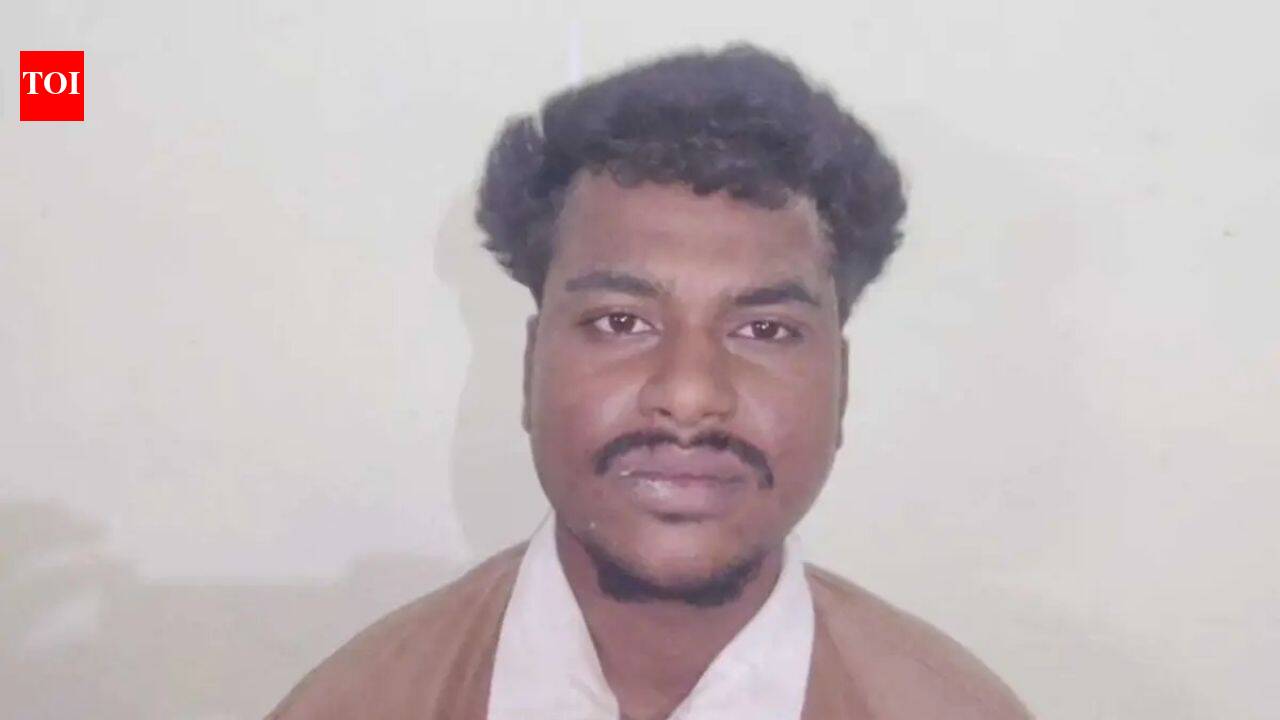
A 20-year-old woman in Chhattisgarh was murdered in a public park by her boyfriend, Ritesh Rajwade. Before succumbing to her injuries, she used her mobile phone to identify her attacker, leading to his swift arrest.
A Tragic Case of Fatal Violence in Surajpur
The recent tragedy in Surajpur, Chhattisgarh, has sent shockwaves through the community, highlighting the devastating reality of domestic violence. A 20-year-old domestic worker lost her life after a brutal attack in a local public park, where her throat was slit. Despite the severity of her injuries, her final act of agency—typing the identity of her attacker into her mobile phone—served as the critical piece of evidence that allowed local authorities to apprehend the suspect within hours.
The Investigation and Arrest
Following the victim's final communication, police acted swiftly to secure the perimeter and investigate the crime scene. Surajpur Superintendent of Police (SP) Yogesh Patel confirmed that 23-year-old Ritesh Rajwade was taken into custody shortly after the incident. During interrogation, Rajwade confessed to the murder. His admission provides a chilling look into the motives behind the violence, as he cited a six-year-long relationship that had recently soured.
Motives and Relationship Dynamics
According to the suspect's statement to the police, the crime was rooted in a relationship dispute and intense jealousy. Rajwade claimed that the victim had begun to distance herself, a change in behavior that he allegedly found difficult to accept. This incident underscores the dangerous intersection of possessiveness and violence, as the suspect viewed the victim's decision to end the relationship as a catalyst for his lethal actions.
Public Safety and Urban Spaces
The location of the crime—a popular park in Surajpur—has sparked significant public concern regarding the safety of public spaces. Parks are intended to be sanctuaries for recreation and community connection; however, this incident has highlighted the vulnerability of individuals in these areas. The brutal nature of the crime in an open, public setting raises difficult questions about surveillance, security, and the necessity for better monitoring of communal spaces to prevent such heinous acts.
Broader Implications of Gender-Based Violence
This case serves as a grim reminder of the prevalence of gender-based violence in intimate relationships. The victim’s attempt to seek help while dying highlights the extreme terror she faced, and her use of technology to identify her killer emphasizes the importance of digital literacy and quick thinking in crisis situations. As the legal process against Rajwade moves forward, the community is left to grapple with the loss of a young life and the urgent need for better intervention strategies in domestic disputes.
Conclusion
While the swift arrest of Ritesh Rajwade offers a degree of justice for the victim's family, the tragedy remains a stark reflection of unresolved interpersonal conflicts turning fatal. The case in Surajpur will likely remain a focal point for discussions on domestic safety, the psychological triggers of jealousy-driven violence, and the ongoing need for protective measures for women in both private and public spheres.