Two children drown in pit in Outer North Delhi; four missing in Yamuna
Source Entity
The Indian Express
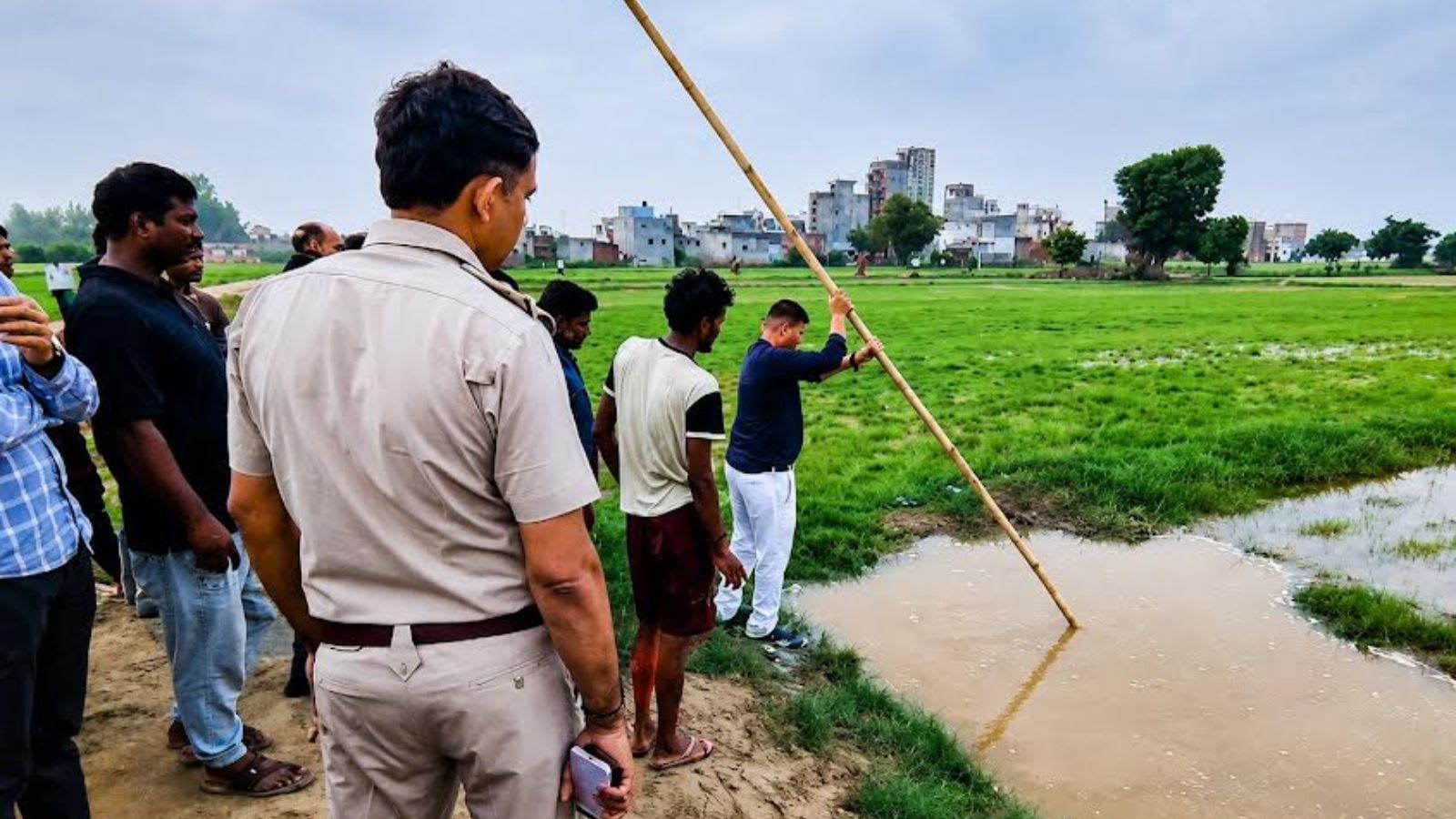
Two children, aged 8 and 10, drowned after they fell into a pit filled with rainwater in Outer-North Delhi’s Mukhmelpur village on Sunday, police said. The deceased were identified as Ayush (8) and Ni...
Tragedy Strikes Outer-North Delhi: A Dual Crisis of Urban Safety
Outer-North Delhi has been rocked by a series of devastating accidents that highlight the lethal intersection of seasonal weather patterns and inadequate urban infrastructure. On a single Sunday, the community of Mukhmelpur village suffered the loss of two young children, while simultaneously, search operations were launched for four individuals who vanished into the currents of the Yamuna river. These incidents, occurring nearly concurrently, underscore a critical failure in public safety measures during the monsoon season.
The Mukhmelpur Village Tragedy
The most heart-wrenching aspect of these reports is the drowning of two children, Ayush, aged 8, and another child aged 10. The children fell into a pit that had become filled with rainwater, effectively turning a construction or drainage void into a hidden death trap. In semi-urban areas like Mukhmelpur, open pits often go unmarked or unfenced, becoming invisible under the cover of accumulated rainwater. The age of the victims emphasizes the extreme vulnerability of children who may not perceive the depth or danger of such hazards during play or transit.
The Perils of the Yamuna River
Parallel to the tragedy in the village, the Yamuna river has claimed four more victims who remain missing. The Yamuna is notorious for its volatile behavior during the rainy season, where increased water levels and strong undercurrents make the riverbanks treacherous. The fact that four people were swept away suggests either a sudden surge in water levels or a lack of adequate warning barriers along the river's edge. The search and rescue operations for these missing persons represent a race against time, as the river's current often carries victims far downstream.
Infrastructure Failures and Urban Planning
From an analytical perspective, these deaths are not merely accidents but are symptomatic of systemic failures in urban planning and maintenance in the Outer-North Delhi region. The existence of an open, rainwater-filled pit in a residential area points to a lack of oversight by municipal authorities. Proper drainage systems and the mandatory barricading of construction sites are basic safety requirements that, when ignored, lead to preventable fatalities. The contrast between the developed center of Delhi and the lagging infrastructure of the 'Outer' regions is starkly highlighted by such events.
Broader Implications and Public Safety Trends
Historically, the monsoon season in India is characterized by a spike in drowning incidents, ranging from urban flash floods to riverine accidents. These events reflect a broader trend where rapid urbanization outpaces the development of safety infrastructure. The recurring nature of these tragedies suggests that current public awareness campaigns are insufficient and that the responsibility for safety is being shifted onto the citizens rather than the governing bodies responsible for securing public spaces.
Conclusion and Future Outlook
In summary, the loss of two children in Mukhmelpur and the disappearance of four people in the Yamuna serve as a grim reminder of the dangers inherent in neglected urban environments. To prevent future occurrences, there must be a rigorous audit of open pits and hazardous zones across Outer Delhi, coupled with stricter enforcement of safety regulations for construction and public works. Until infrastructure is prioritized alongside urban growth, the rainy season will continue to pose a lethal threat to the most vulnerable members of the community.