China's imports in August miss estimates as exports pick up pace amid calls for rebalancing trade
Source Entity
US Top News and Analysis
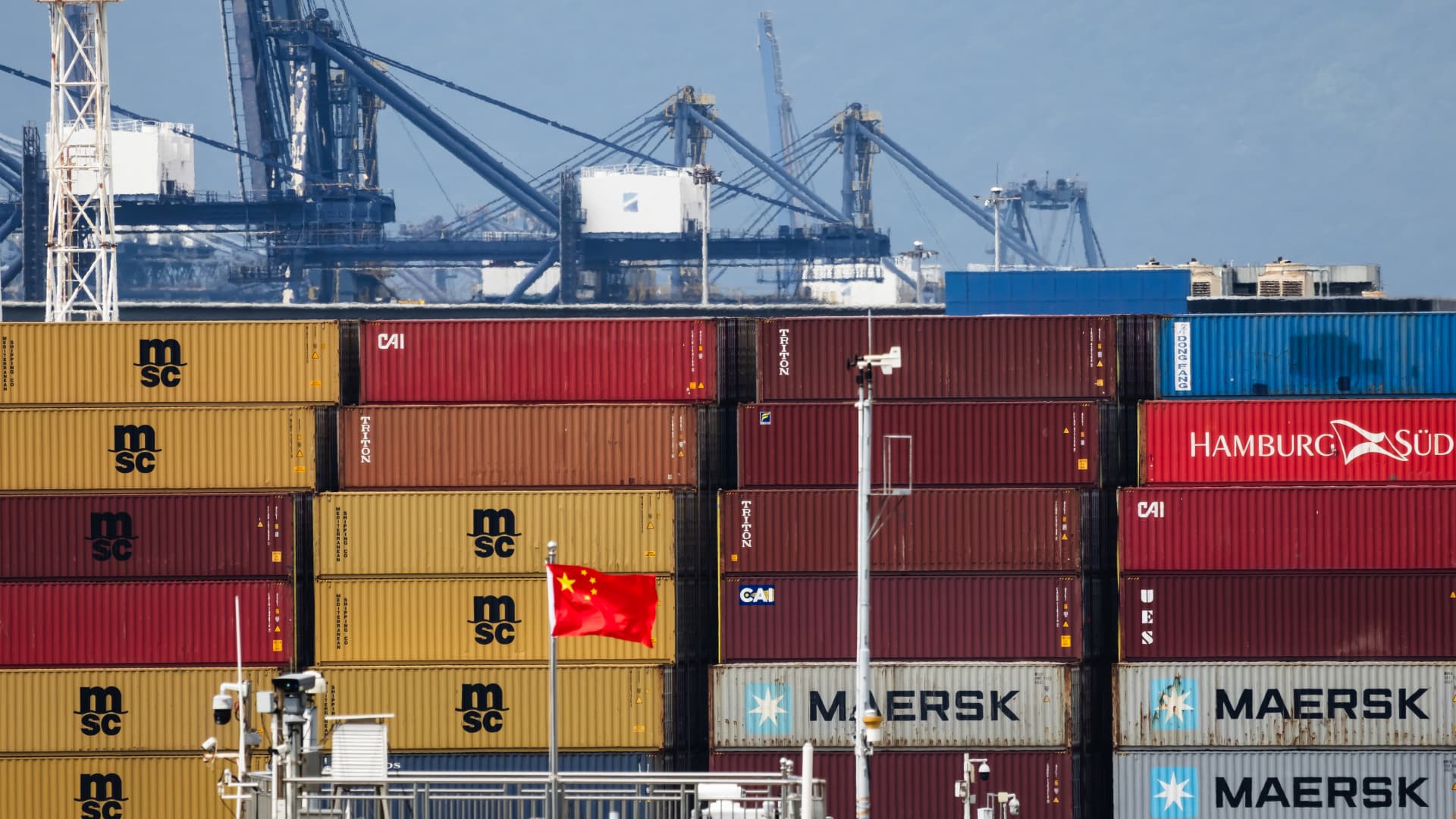
China's August trade data shows strong export growth of 25% amid global demand, yet import growth of 28.2% fell short of analyst expectations. This disparity highlights persistent weakness in domestic consumption and underscores the ongoing challenge for the Chinese economy to rebalance its trade structure.
China's Trade Divergence: Export Strength vs. Domestic Languor
Recent trade data from China for August reveals a complex economic landscape characterized by robust export performance juxtaposed against lackluster domestic demand. While exports surged by 25% in U.S. dollar terms—surpassing the growth seen in the previous month—imports climbed by 28.2%, falling short of the 30% growth anticipated by economists. This divergence serves as a critical indicator of the current state of the world's second-largest economy, which continues to rely heavily on external markets while struggling to stimulate internal consumption.
The Export Engine and Global Integration
China’s export growth, which quickened from 23.9% in the prior month to 25% in August, demonstrates the resilience of Chinese manufacturing and its deep integration into the global supply chain. Ports such as Yantian in Shenzhen continue to operate as vital conduits for global trade, facilitating the movement of goods for major international shipping entities. This strong export performance suggests that despite global inflationary pressures and geopolitical shifts, international demand for Chinese-manufactured goods remains a primary pillar of the nation's economic output.
Analyzing the Import Miss
Conversely, the fact that imports rose by 28.2%—missing the projected 30% mark—is a significant concern for policymakers in Beijing. Imports serve as a proxy for domestic consumer confidence and industrial investment. A shortfall in import growth implies that internal demand remains tepid, suggesting that Chinese households and businesses are not yet participating in the recovery at the scale required to achieve a more balanced economic profile. This data point is particularly sensitive as it reflects the challenges of transitioning from an export-led model to a consumption-driven one.
Structural Challenges and Rebalancing Pressure
The Chinese government faces mounting pressure to rebalance its trade structure, a necessity for long-term sustainable growth and reduced vulnerability to external trade shocks. The current reliance on exports to drive GDP growth leaves the economy exposed to shifting global trade policies and demand fluctuations. The August data highlights that while external engines are firing, the internal 'rebalancing' remains a work in progress, requiring more aggressive fiscal or monetary interventions to bolster domestic demand.
Future Trends and Policy Implications
Looking ahead, the gap between export and import growth will likely force a reassessment of domestic stimulus measures. If internal demand does not catch up to export momentum, China may face increased scrutiny from trading partners regarding trade surpluses. Future policy trends will likely focus on enhancing domestic purchasing power and diversifying industrial output to ensure that the economy is not solely reliant on the shipping containers that pass through its major ports. The path forward remains contingent on China's ability to unlock the potential of its domestic market while maintaining its status as the 'factory of the world.'