Rs 39,718 Crore Traded In 15 Minutes: Did NSE's Closing Auction Pass The Big Stock Market Test?
Source Entity
NDTV News Search Records Found 1000
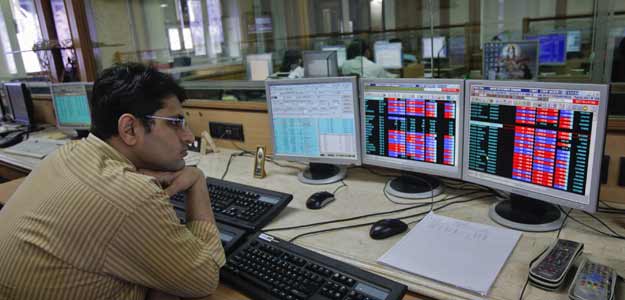
The National Stock Exchange (NSE) successfully processed Rs 39,718 crore in trades during a 15-minute closing auction session. This mechanism, active since August 3, 2026, continues to be a critical tool for price discovery in Indian markets.
Assessing the NSE's Closing Auction Performance
A Milestone in Market Efficiency
The recent performance of the National Stock Exchange (NSE) in managing a massive volume of Rs 39,718 crore within a brief 15-minute window marks a significant milestone for India's financial infrastructure. The closing auction session serves as a vital bridge between standard trading hours and the final settlement prices, ensuring that large-volume trades do not create artificial volatility in the final minutes of the session. By aggregating buy and sell orders into a single, calculated price, the exchange effectively minimizes the impact of 'panic' or 'forced' selling, providing a more stable closing benchmark for investors and institutional funds alike.
Historical Context and Evolution
While the concept of a closing auction might seem like a recent innovation to some, the NSE has been refining this mechanism since it officially went live on August 3, 2026. This implementation was designed to align Indian markets with global best practices observed in major exchanges such as the NYSE and LSE. Historically, closing prices were often susceptible to last-second volatility; the introduction of a structured auction session has shifted the paradigm toward a more controlled and transparent discovery process, allowing the market to find a true equilibrium price before the bell rings.
The Mechanics of High-Volume Trading
Handling nearly Rs 40,000 crore in such a compressed timeframe requires immense technological robustness. The NSE's ability to facilitate this volume without system latency or order-matching errors speaks to the ongoing upgrades in India's trading technology. This session is not merely about volume; it is about the integrity of the market. During these 15 minutes, the exchange acts as a central aggregator, ensuring that liquidity is maximized and that the final Nifty and Sensex values reflect a broader consensus of market participants rather than the actions of a few high-frequency traders.
Broader Implications for Market Stability
For the retail investor, the success of the closing auction session is a signal of maturity in the Indian equity landscape. By preventing extreme price swings at the end of the day, the NSE protects smaller portfolios from the volatility that historically plagued the final moments of trading. Furthermore, this stability is essential for institutional investors, such as mutual funds and pension funds, who often need to execute large rebalancing trades at the day's closing price. The reliability of this process encourages greater participation from global capital, as it reduces the perceived risk of market manipulation.
Future Trends and Market Outlook
Looking ahead, the success of the August 2026 framework sets the stage for further refinements in market microstructure. As the NSE continues to integrate advanced algorithmic tools, we can expect the closing auction to become even more efficient, potentially handling even larger volumes with greater speed. The focus will likely remain on enhancing transparency and reducing the 'information asymmetry' that can occur during high-volume sessions. As India continues its trajectory toward becoming a global financial hub, the continued stability of these auction sessions will remain a cornerstone of investor confidence.
Verification Required?