From hospitals to schools: China expands scrutiny of religious beliefs in Chengdu
Source Entity
TOI WORLD DESK
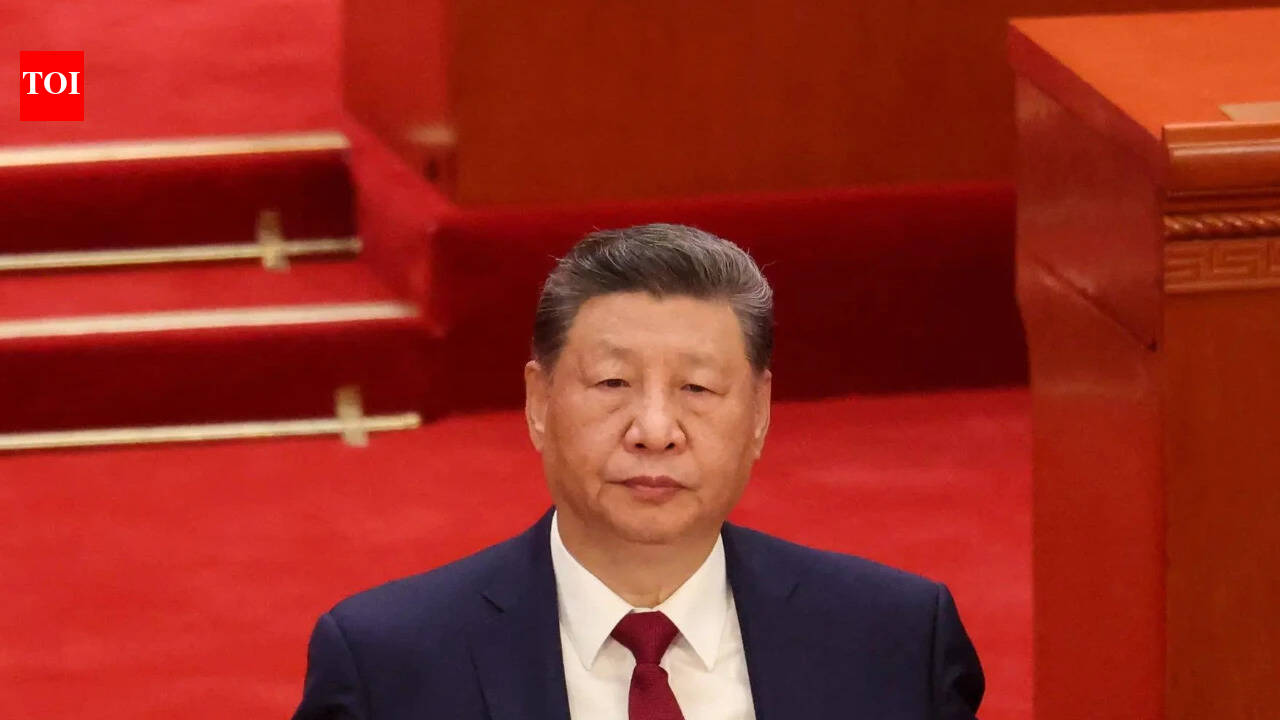
Authorities in Chengdu, China, are intensifying oversight of religious affiliations within public institutions. Employees at hospitals and students at schools are being required to disclose their religious backgrounds, sparking concerns over potential reprisal and ideological control.
The Expansion of State Religious Oversight in Chengdu
Recent reports indicate a significant escalation in the Chinese state's efforts to monitor religious affiliation within public sectors in Chengdu. According to documentation and accounts from those familiar with the situation, public hospitals and educational institutions have begun systematic surveys requiring employees, students, and their families to disclose their religious beliefs. This move marks a pivot toward more granular, localized surveillance of personal ideology within the public workforce and student body.
Institutionalizing Ideological Compliance
The implementation of these surveys in medical and academic settings is indicative of a broader governmental strategy to ensure ideological conformity across public institutions. By mandating the disclosure of religious beliefs, authorities are establishing a data-driven framework that allows for the monitoring of potentially non-secular influences. For employees in the public healthcare sector, such disclosures could influence professional advancement or internal standing, while for students, this creates a record that may follow them through their academic careers.
The Role of Internal Documentation
The collection of this data, as evidenced by internal notices and reports citing leaked documents, suggests a top-down directive aimed at mapping religious demographics within the public sector. The sensitivity surrounding these surveys is underscored by the fact that many sources have chosen to remain anonymous, citing fear of reprisals. This climate of apprehension highlights the perceived stakes of such disclosures in a political environment where religious practice is increasingly viewed through the lens of state security and social stability.
Historical Context of Religious Regulation
China's approach to religion has historically been characterized by a strict emphasis on "Sinicization," which seeks to align religious practices with socialist core values and national identity. The expansion of these practices into Chengdu’s hospitals and schools reflects a tightening of this policy. By bringing these sectors under closer scrutiny, the state is reinforcing its role as the ultimate arbiter of public life, discouraging any affiliations that might supersede loyalty to the party-state structure.
Broader Implications and Future Trends
The trend toward mandatory disclosure in Chengdu suggests that similar practices could soon be normalized in other provinces and urban centers. As the state continues to prioritize ideological homogeneity, the boundary between private belief and public professional life is likely to become increasingly blurred. This strategy not only serves to identify religious adherents but also functions as a psychological deterrent, signaling to the public that their private lives are subject to institutional review.
Conclusion
The ongoing efforts in Chengdu represent a calculated expansion of state control over the ideological landscape of public institutions. By systematically cataloging the religious affiliations of workers and students, authorities are deepening their oversight capabilities. As this policy unfolds, the impact on individual freedoms and the professional environment in public sectors will remain a critical area of concern for observers monitoring the evolution of civil liberties and state-society relations in China.