Echoes Across The Radcliffe Line: The Battle For 'Punjabiyat' In Pakistan
Source Entity
NDTV News Search Records Found 1000
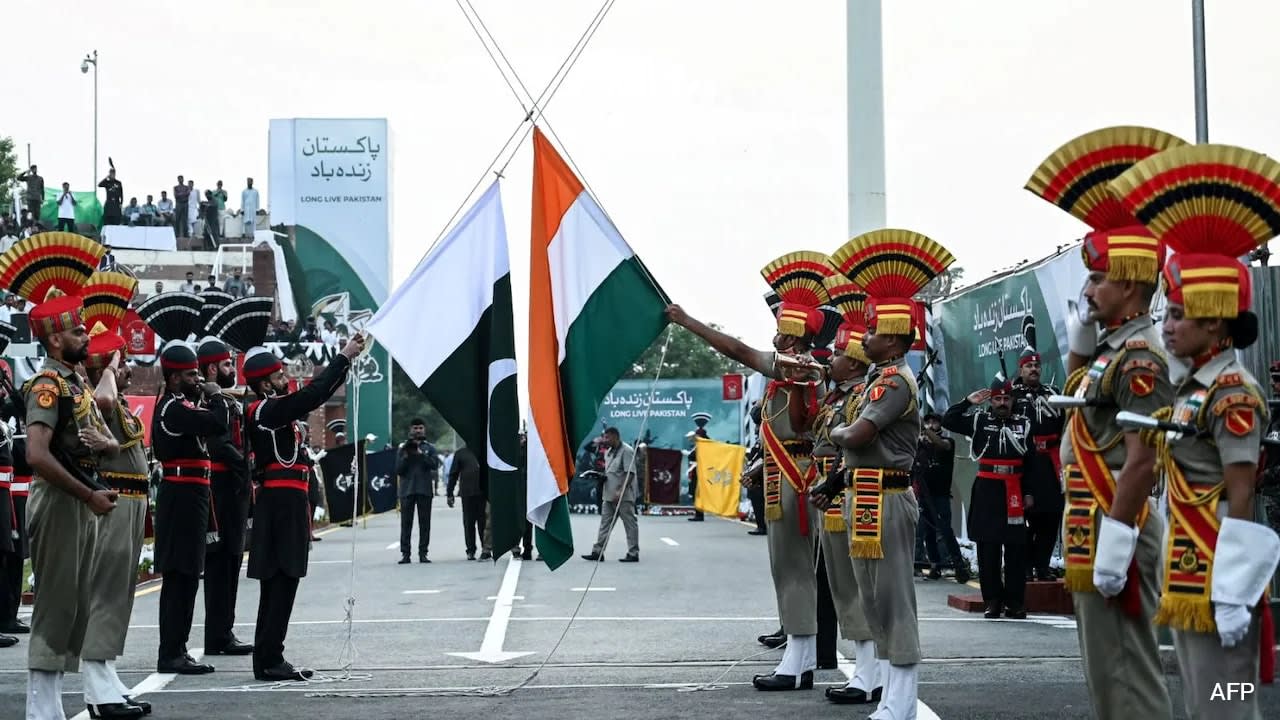
Despite the divergent political and social paths taken by India and Pakistan since 1947, the cultural identity of 'Punjabiyat' remains a powerful, shared bridge across the Radcliffe Line. This analysis explores how linguistic and historical ties continue to influence regional dynamics despite geopolitical tensions.
The Lingering Legacy of the Radcliffe Line
The partition of the Indian subcontinent in 1947, demarcated by the Radcliffe Line, did more than just draw a physical border; it bisected a millennium of shared history, language, and cultural evolution. While the political trajectories of India and Pakistan have diverged significantly over the past seven decades, the concept of 'Punjabiyat'—the essence of Punjabi identity—persists as a profound, albeit often suppressed, commonality. This shared heritage continues to exert a quiet, persistent influence on the cultural psyche of both nations, transcending the rigid state-sanctioned narratives of difference.
The Resilience of Punjabiyat
'Punjabiyat' is fundamentally rooted in the Punjabi language, a shared literary tradition, and a Sufi-inflected spiritual landscape that ignores national boundaries. Despite the administrative and military walls erected between the two Punjabs, the cultural undercurrents remain remarkably similar. From the agricultural rhythms of the Indus basin to the shared culinary and musical traditions, the region retains a distinct character that refuses to be entirely homogenized by the nationalist projects of Islamabad or New Delhi.
Geopolitics vs. Cultural Continuity
It is essential to recognize that while the two countries remain miles apart in their governance models and strategic alliances, the deep connection persists in the diaspora and through digital cultural exchange. The Radcliffe Line serves as a stark reminder of the trauma of partition, yet it has failed to fully excise the collective memory of a unified land. This tension between the state-level hostility and the grassroots cultural affinity creates a unique, complex dynamic that defines the modern border region.
Broader Implications of Shared Identity
The preservation of these cultural links has broader implications for regional stability. When cultural identity is prioritized over political dogma, it provides a rare, albeit fragile, channel for people-to-people connectivity. Historical context shows that during periods of relative thaw, cultural diplomacy—often centered on the shared Punjabi identity—has been the most effective tool in humanizing the 'other' across the border.
Future Trends and Cultural Diplomacy
Looking forward, the influence of 'Punjabiyat' will likely continue to evolve through the lens of digital media and the global Punjabi diaspora. As younger generations interact through social platforms, the rigid barriers of the Radcliffe Line may face new, non-traditional challenges. While it is unlikely to alter the fundamental geopolitical disputes between the two nations, the persistent vitality of this shared cultural identity ensures that the dialogue between the two sides of the border remains deeply personal and historically anchored.
Verification Required?