NGT directs TNPCB to set timeline for IIT-M’s comprehensive study on pollution issues in Neyveli
Source Entity
India Latest News: Top National Headlines Today & Breaking News | The Hindu
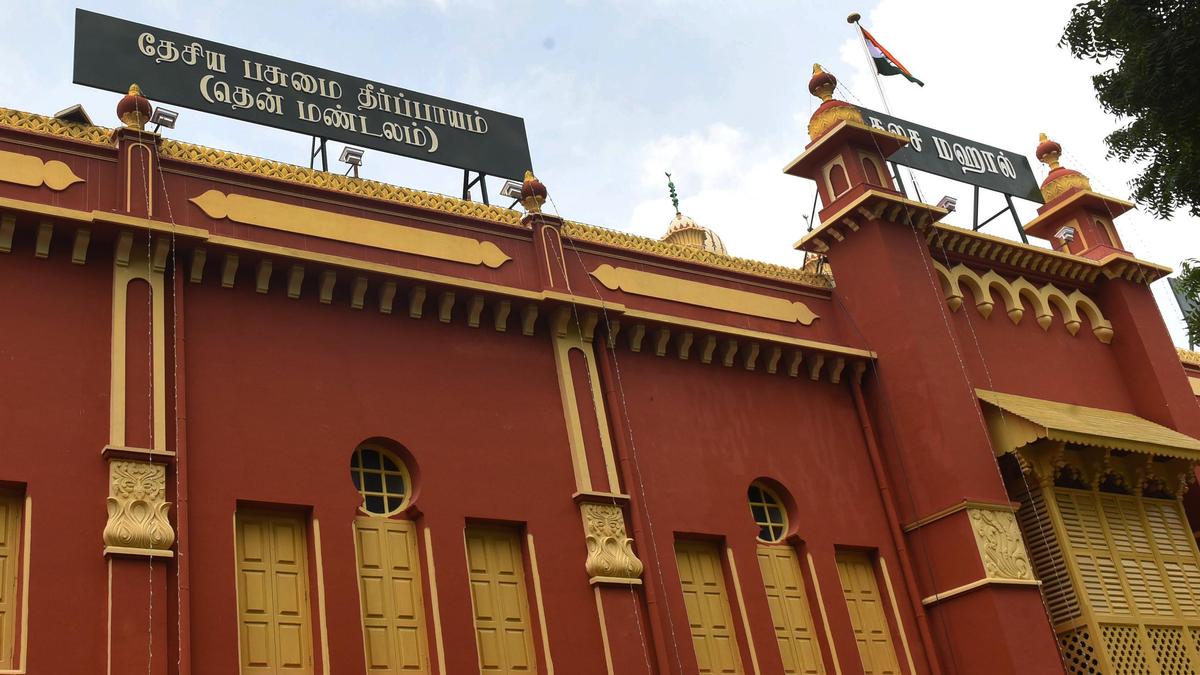
The National Green Tribunal has ordered the TNPCB to engage IIT-Madras for a definitive study on pollution in Neyveli. This move follows internal disagreements within a technical committee regarding the extent of environmental impact from NLC India.
NGT Mandates Independent Scientific Oversight in Neyveli
The Southern Bench of the National Green Tribunal (NGT) has intervened in the ongoing environmental discourse surrounding Neyveli by directing the Tamil Nadu Pollution Control Board (TNPCB) to formalize a study conducted by IIT-Madras. This judicial intervention, led by Justice Pushpa Sathyanarayana and expert member Prashant Gargava, underscores a significant shift toward seeking independent, academic validation in matters of industrial environmental compliance.
The Impasse of Internal Committees
At the heart of the NGT’s August 12 directive is a breakdown in the administrative process. The TNPCB had previously constituted an internal technical committee to investigate the environmental footprint of NLC India. However, the committee failed to produce a unified assessment, with members submitting individual, conflicting reports. This discord highlighted the limitations of internal oversight and necessitated the involvement of an external, highly credible body like IIT-Madras to bridge these analytical gaps.
Addressing Allegations of Industrial Pollution
The core of the matter stems from two suo motu cases initiated by the NGT, which were triggered by public reports concerning the environmental health of the Neyveli region. Specifically, the concerns revolve around the operations of NLC India and alarming claims regarding the presence of mercury in local water sources. Given the hazardous nature of mercury and its potential for bioaccumulation, the tribunal’s insistence on a 'comprehensive scientific study' is a critical step in verifying the severity of the alleged contamination.
Setting the Terms of Reference
The NGT has explicitly ordered the TNPCB to issue the Terms of Reference (ToR) to IIT-Madras. By formalizing the ToR, the tribunal ensures that the scope of the study is not left to ambiguity. This includes establishing a strict timeline for completion, which prevents the project from languishing in administrative delays. This structured approach is essential for ensuring that the findings are actionable and can be used for future regulatory enforcement.
Broader Implications for Environmental Governance
This development serves as a precedent for how environmental disputes between industrial entities and local populations should be managed. By delegating the investigation to a premier technical institution, the NGT is effectively depoliticizing the scientific data. This move protects the integrity of the environmental assessment process, ensuring that the results are based on objective measurement rather than internal bureaucratic consensus.
Future Outlook and Accountability
As the TNPCB moves to implement these directions, the spotlight remains on the transparency of the forthcoming IIT-Madras report. If the study confirms high levels of pollutants, the NGT will likely be positioned to mandate immediate remedial actions for NLC India. This ongoing judicial oversight marks a pivotal moment for industrial accountability in Neyveli, signaling that the environmental cost of operations can no longer be ignored or obscured by conflicting internal reports.
Verification Required?