From dance floor to war: China readies humanoid robots for combat
Source Entity
The Indian Express
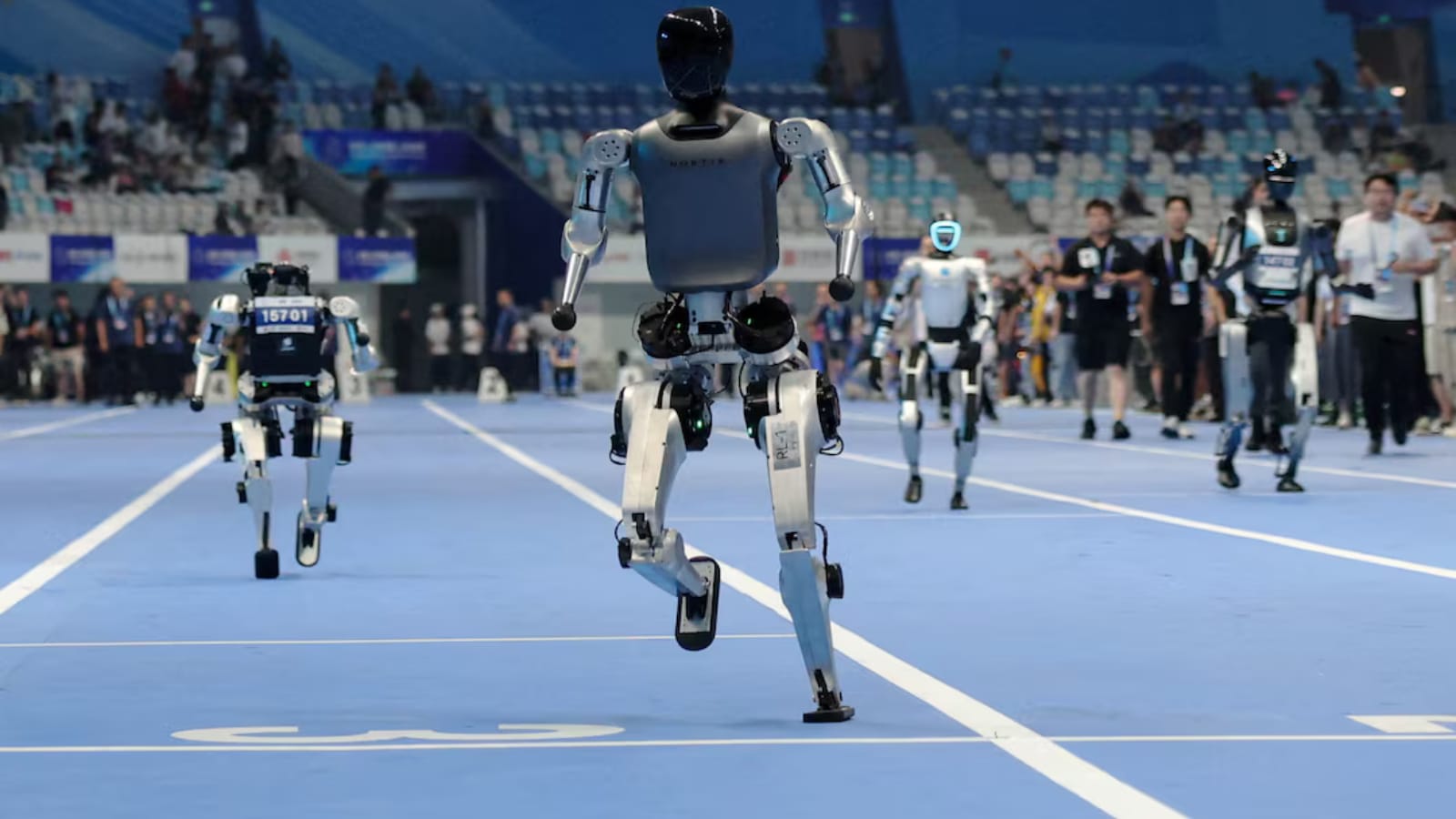
China is accelerating the integration of humanoid robots into its military strategy, aiming to deploy them for urban warfare and combat missions. Research is moving rapidly from laboratory testing to battlefield simulation following recent advancements in robotic agility and perception.
The Evolution of Robotic Warfare: China's Humanoid Ambitions
China has signaled a profound shift in its military modernization strategy by pivoting toward the integration of humanoid robots into its armed forces. While robotic systems have long been used for reconnaissance or logistical support, the People’s Liberation Army (PLA) is now aggressively pursuing the development of humanoids specifically designed for high-stakes combat scenarios. This transition marks a departure from traditional autonomous systems, moving toward machines that mimic human physiology to navigate complex environments.
From Laboratory Games to Battlefields
The technological leap was recently highlighted at the World Humanoid Robot Games, where robots demonstrated remarkable agility, including high-speed running and complex physical maneuvers. While these displays were initially viewed as entertainment, the PLA quickly reframed them as indicators of military potential. The PLA Daily, the official newspaper of the military, has explicitly called for the rapid transfer of these laboratory-tested capabilities into military training grounds to groom the next generation of robotic "combatants."
Strategic Focus: Urban Warfare and Infiltration
According to a comprehensive review of over 100 military procurement notices and academic studies, the PLA is prioritizing specific operational roles for these robots. Primary focus areas include building-clearing and enemy-line infiltration—tasks that are notoriously dangerous for human soldiers in urban warfare settings. By utilizing humanoids, the military aims to reduce human casualties while maintaining the ability to operate in infrastructure designed for human movement, such as staircases and narrow corridors.
Technical Advancements and R&D
The acceleration of these programs since 2025 highlights a systemic push by China’s defense establishment to master the perception and manipulation capabilities required for combat. Research institutions are currently focused on refining how these machines process dynamic environments and interact with objects under fire. This involves not only hardware improvements but also sophisticated AI training methods that allow robots to adapt to the unpredictable nature of an active battlefield.
Broader Implications and Future Trends
The pursuit of humanoid combatants represents a significant escalation in the global AI arms race. By moving beyond conventional drones and software-based systems, China is attempting to solve the "last mile" problem of urban combat—the need for a machine that can perform human-like physical tasks in human-centric environments. As these technologies continue to mature, the distinction between civilian robotic advancements and military utility will likely blur, forcing global defense analysts to reconsider the future of infantry engagements and the role of autonomous entities in frontline warfare.