China's helicopter arsenal grows, is India ready for the Himalayan challenge?
Source Entity
ARYAN SINGH
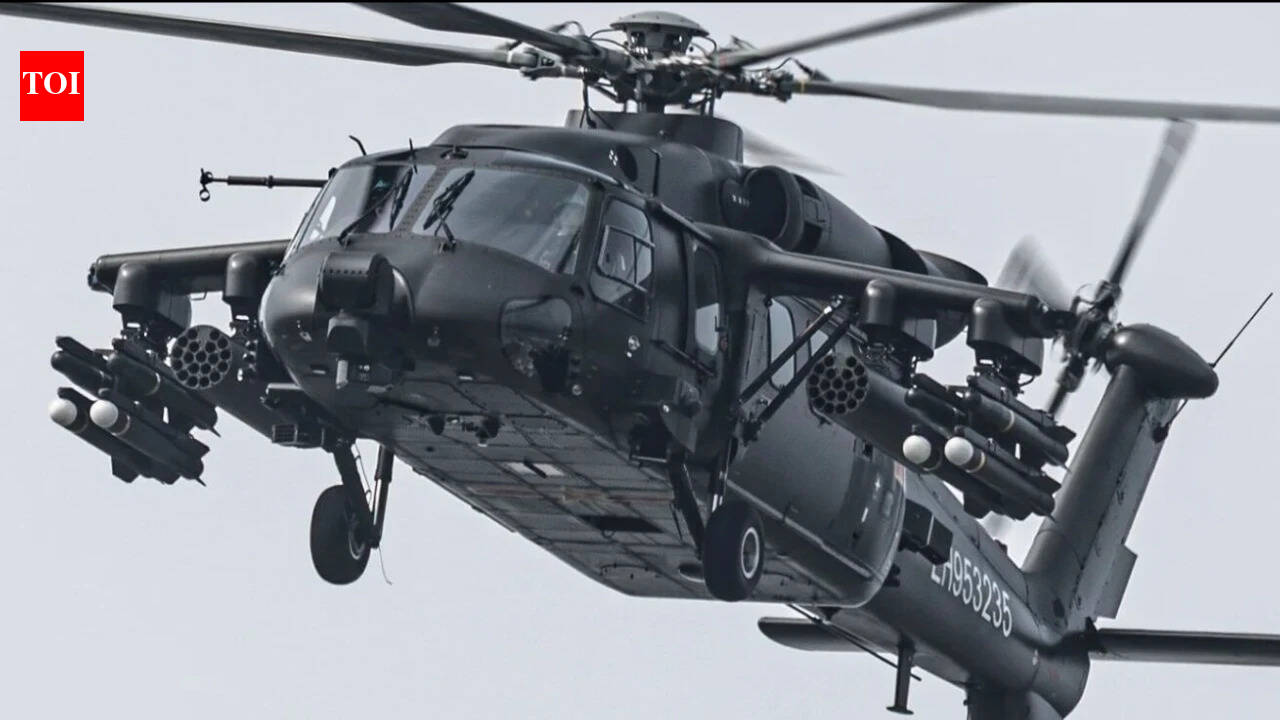
China is aggressively expanding its helicopter fleet to bolster its operational capabilities along the Himalayan border. In response, India is modernizing its own rotorcraft fleet to maintain parity and ensure strategic mobility in high-altitude terrain.
The Rotorcraft Arms Race in the Himalayas
The strategic landscape along the India-China frontier is undergoing a significant transformation, moving beyond the traditional focus on fixed-wing fighter jets and ballistic missiles. Recent reports indicate that China is aggressively expanding its helicopter arsenal, specifically tailoring its fleet for the extreme altitudes and rugged topography of the Himalayas. By deploying advanced platforms like the Z-10 attack helicopter and the versatile Z-20 family, Beijing is signaling a shift toward enhancing the rapid deployment and sustainment of its forces in contested regions.
China’s Strategic Focus on Aerial Mobility
China’s investment in a diverse rotorcraft force—ranging from heavy-lift transport to specialized gunships—reflects a deliberate strategy to overcome the geographical constraints of the Himalayan plateau. These helicopters provide the People’s Liberation Army (PLA) with the logistical flexibility to move troops, heavy weaponry, and essential supplies across difficult terrain where conventional ground logistics are often stalled. This enhancement of aerial mobility is a calculated attempt to gain a tactical edge, ensuring that PLA units can be repositioned with speed and precision, thereby challenging India’s established defensive postures.
India’s Counter-Strategy and Fleet Modernization
In response to these developments, India is actively modernizing its own helicopter fleet. Recognizing that air superiority in the mountains is as much about logistics as it is about firepower, New Delhi is balancing its requirements through a mix of indigenous development and strategic foreign acquisitions. India’s focus remains on acquiring platforms that can operate reliably in thin air and extreme temperatures, ensuring that its own mountain divisions maintain the necessary mobility to meet potential incursions or rapid escalations along the Line of Actual Control (LAC).
The Impact of High-Altitude Warfare
Operating helicopters in the Himalayas presents unique challenges, including reduced lift capacity and engine performance degradation due to high altitude. Both nations are currently engaged in an intensive R&D race to overcome these physical limitations. The ability to maintain a continuous, reliable aerial supply chain is now viewed as a critical component of deterrence. As China and India continue to prioritize these investments, the military balance is becoming increasingly reliant on the density and quality of their respective rotorcraft inventories.
Future Trends and Regional Stability
Looking ahead, the ongoing expansion of helicopter capabilities suggests a sustained period of military posturing along the border. As both nations refine their doctrines for mountain warfare, the integration of these assets into broader surveillance and strike networks will likely continue. The race for aerial supremacy in the Himalayas is not just an indicator of current tensions but a long-term shift in how both powers view border security and territorial integrity. Whether this leads to a stable equilibrium or an increased risk of miscalculation remains a central concern for regional observers.
Conclusion
The expansion of helicopter fleets by both China and India highlights the evolving nature of military competition in one of the world's most challenging environments. By investing in specialized platforms designed for mountain operations, both nations are emphasizing the importance of operational flexibility. As this trend continues, the ability to effectively utilize these aerial assets will remain a defining feature of the security dynamic between the two Asian giants.