China is winning the war in the Middle East, and gold and the dollar will start to feel it, strategist says
Source Entity
Jules Rimmer
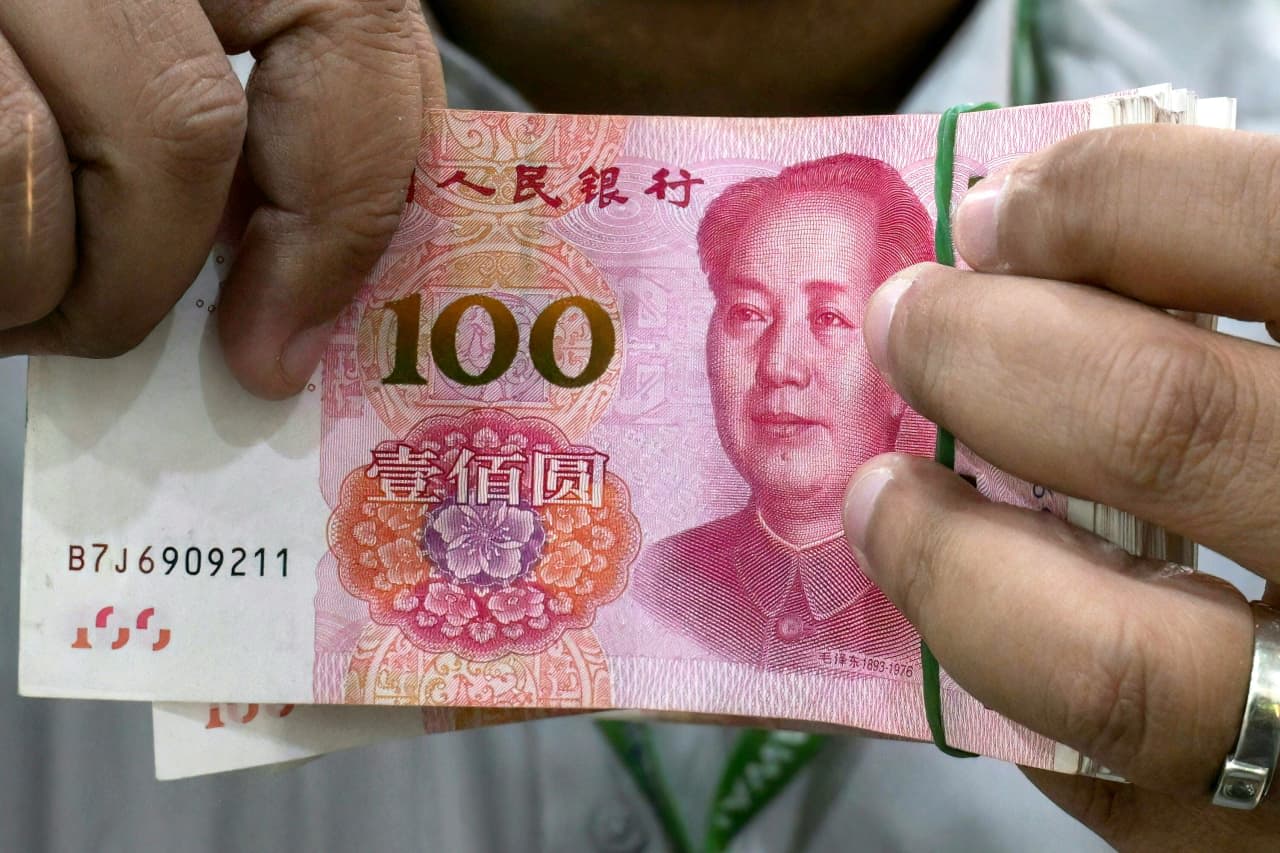
Strategists suggest that China's growing influence in the Middle East amidst U.S.-Iranian tensions is signaling a shift in the global financial order. This geopolitical realignment is projected to boost gold prices while potentially weakening the long-term dominance of the U.S. dollar.
The Shifting Geopolitical Landscape and Financial Markets
Recent observations regarding China’s strategic positioning amidst the ongoing U.S.-Iranian conflict have sparked significant discourse among market analysts. As China demonstrates resilience and an ability to navigate the complex diplomatic waters of the Middle East, there is a growing consensus that the traditional world order is undergoing a fundamental transformation. This shift is not merely diplomatic; it carries profound implications for the global financial architecture, particularly concerning the status of reserve currencies and safe-haven assets.
The Erosion of Dollar Dominance
For decades, the U.S. dollar has served as the undisputed bedrock of global trade and finance. However, as China expands its influence and brokers regional stability, countries in the Middle East and beyond are increasingly exploring alternatives to the dollar-denominated system. If China successfully establishes itself as a primary broker in the region, the geopolitical necessity for nations to hold vast reserves of U.S. dollars may diminish. This potential decoupling represents a structural threat to the dollar's hegemony, as the demand for the currency could face long-term downward pressure.
Gold as the Ultimate Hedge
As confidence in the dollar-centric international system faces new scrutiny, market strategists are increasingly pointing toward gold as the primary beneficiary of this transition. Gold has historically served as the ultimate hedge against geopolitical instability and currency devaluation. In an environment where the 'world order' is in flux, central banks and institutional investors are likely to favor the tangible, non-sovereign nature of gold over fiat currencies that are tied to specific, potentially volatile, geopolitical blocs.
China’s Strategic Resilience
China’s ability to remain resilient during U.S.-Iranian tensions highlights a pivot in its foreign policy strategy. By positioning itself as a stabilizing force in the Middle East, Beijing is effectively challenging the U.S. influence that has dominated the region since the mid-20th century. This resilience is not just a diplomatic victory; it is a calculated effort to secure energy supply chains and integrate Middle Eastern economies into the broader framework of Chinese-led trade initiatives, such as the Belt and Road.
Broader Financial Implications
Looking forward, the trend toward de-dollarization, accelerated by China’s regional maneuvers, suggests a multi-polar financial future. Investors should anticipate increased volatility in foreign exchange markets as the world adapts to a reduced reliance on the dollar. If the current trend continues, gold’s role in diversified portfolios will likely shift from a peripheral insurance policy to a core strategic asset for both sovereign wealth funds and private investors seeking to mitigate systemic risk.
Conclusion: A New Era of Economic Realignment
The synthesis of these events points to a clear trend: the intersection of Middle Eastern geopolitics and global monetary policy is creating a 'revolution' in the existing world order. As China solidifies its footprint, the resulting shift in trust away from the U.S. dollar toward traditional assets like gold will likely define the economic landscape for the coming decade. Monitoring these developments is essential for understanding the future of global market stability.
Verification Required?